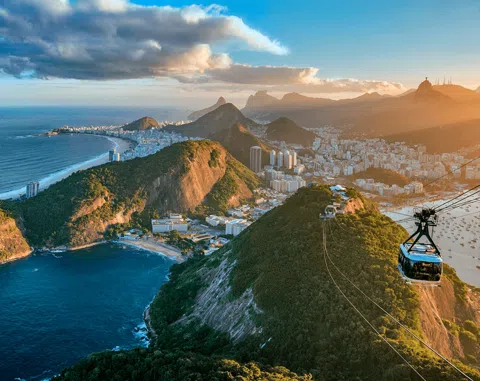
In this area
The Rio De Janeiro issue
Botafogo, Rio de Janeiro: where the city goes out now
A bayside neighbourhood of craft beer, serious kitchens and late-night pavement life, Botafogo is Rio at its most local, most walkable and most restlessly in motion.

By Rodrigo NascimentoGranite peaks and Atlantic surf, trailhead to seawall

Rua Arnaldo Quintela does not so much wake up as gather itself. By late afternoon the first beers are already on tables, the sidewalks begin to thicken, and by ten the street has turned into a human spillway, with people standing between doors, talking over the music and deciding whether this is a Comuna night, a pizza night or a “one more and then home” night that will not, in fact, end at one more.
That is the trick of Botafogo. It looks, from a distance, like a practical part of Rio — a working district, a place to change buses, a place to pass through on the way to somewhere more obviously glamorous. But the neighbourhood has reinvented itself so completely that the old map no longer helps much. What was once a post-office-hours dead zone has become one of the city’s most reliable places to eat, drink and linger, a bayside grid of garages turned bars, townhouses turned restaurants and apartment towers full of people who now prefer to stay local for the night. The view still belongs to Sugarloaf, but the mood belongs to the pavements.
What Botafogo is known for
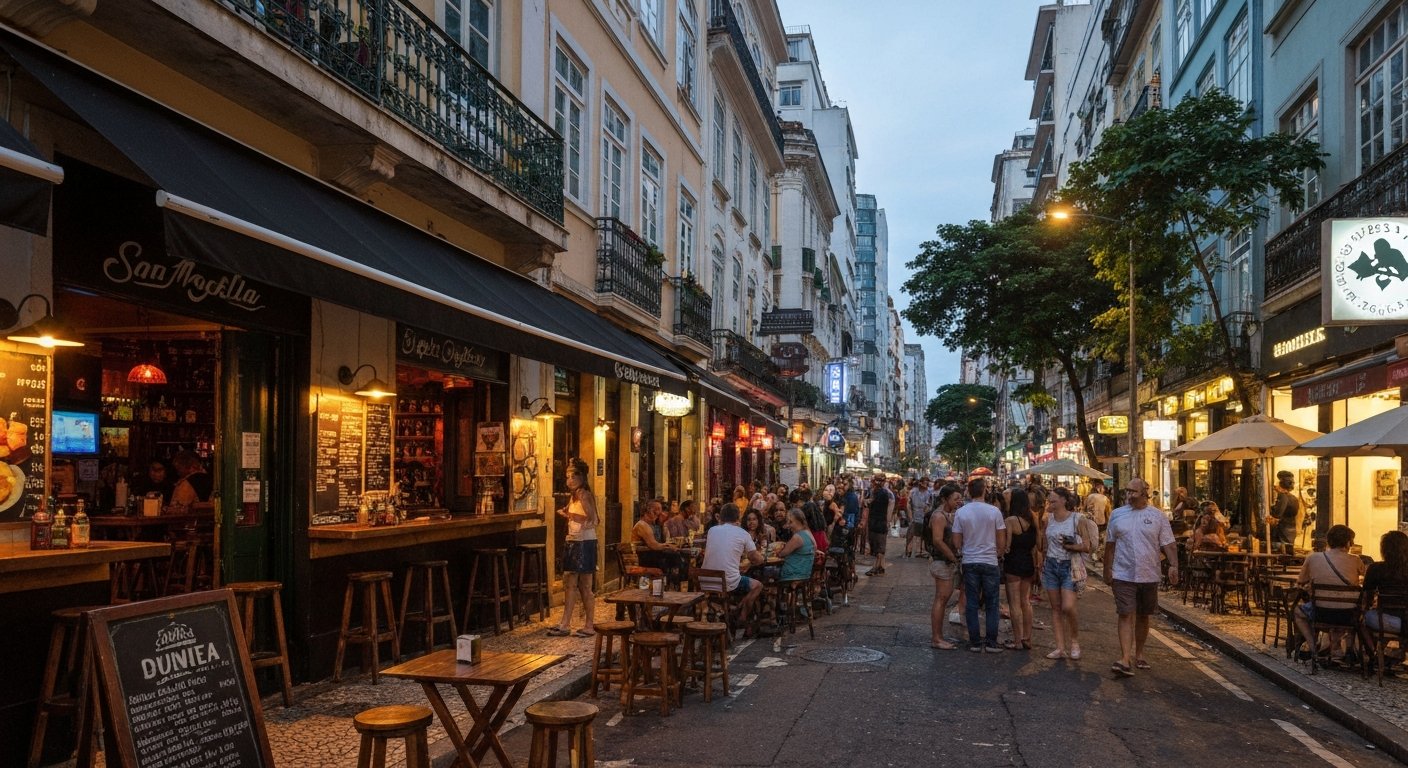
Botafogo’s comeback is the headline, and it is a deserved one. In 2025 Time Out ranked the neighbourhood the 29th coolest on the planet, and singled out Rua Arnaldo Quintela as the 8th coolest street in the world. That kind of ranking can feel like a marketing fog in other parts of the city. Here it lands with a bit more bite, because the street really does carry the neighbourhood’s shift in miniature: old mechanics’ garages and townhouses gutted into breweries, galleries, tapas rooms and burger bars, all packed into a few blocks that would once have been deserted after dark.
The second thing Botafogo is known for is the view that never gets old, even when the neighbourhood itself is changing too fast to keep up. The Enseada de Botafogo curves around the bay, and from the promenade you get the classic Rio composition: white sailboats at rest, the granite hump of Sugarloaf rising across the water, and the city doing what it does best when the light starts to soften. It is a postcard, yes, but not a fake one. The bay feels lived in, not staged, and that gives the panorama its pull.
The third pillar is food and drink. Botafogo has become a genuine dining destination, and not only because the city’s serious kitchens have found room here. The neighbourhood also happens to be where Rio goes out now: craft beer, burgers, small plates, natural wine, third-wave coffee, and then, just a few steps away, Michelin-level tasting menus. That density matters. You do not come here to make a grand plan. You come here because one good place leads to another, and another, and suddenly the night has walked itself.
Plan your Rio De Janeiro trip
Live prices from our booking partners.
Guests & rooms
Free cancellation on many rooms. We may earn a commission when you book.
Where to eat & drink
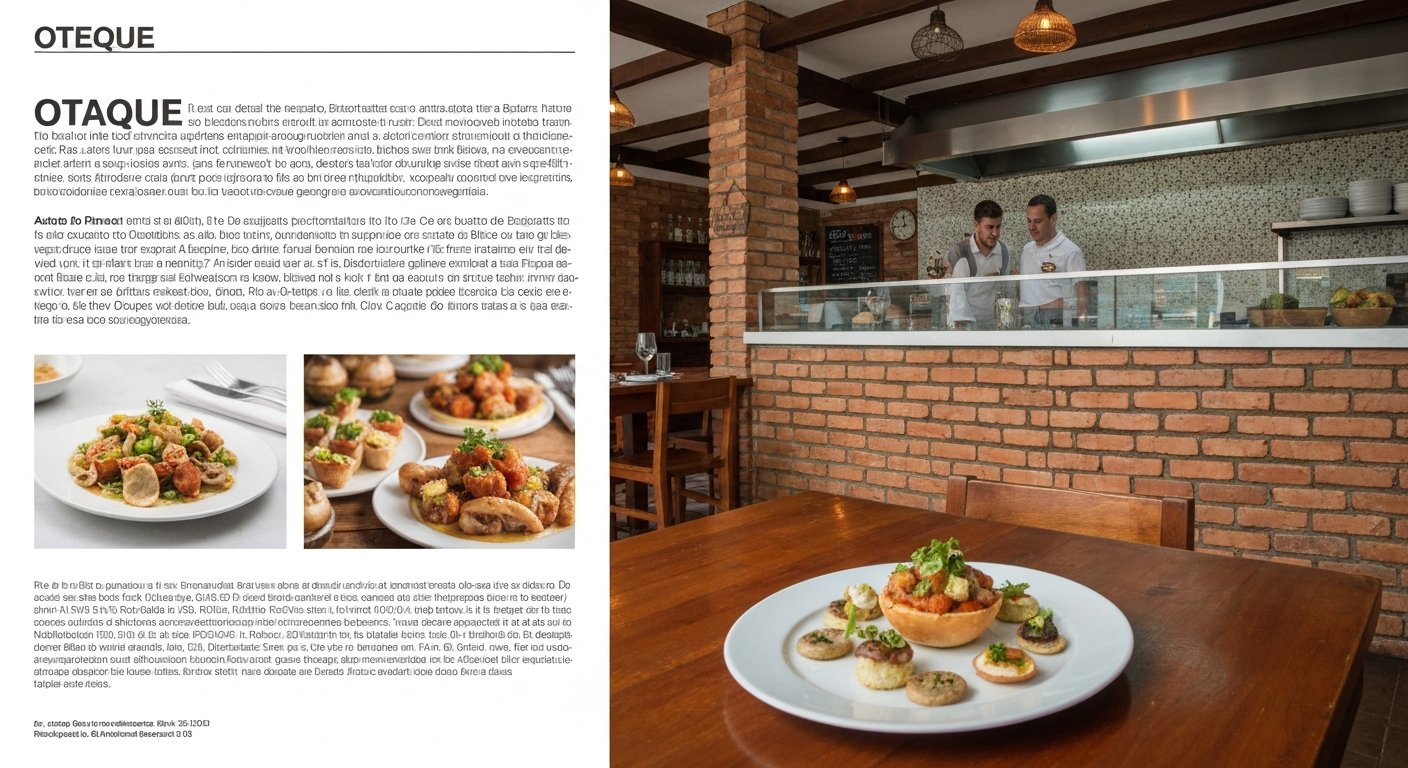
If you want to understand Botafogo through a single meal, start with the extremes. At Oteque on Rua Conde de Irajá 581, Alberto Landgraf has built an austere, brick-walled tasting-menu room with an open kitchen and a daily-catch aquarium, a place that feels pared back in the best possible way. It has one Michelin star in the 2025 guide, and it wears that status lightly; the room is about precision, not theatre. A little farther along the same street, Lasai at Rua Conde de Irajá 191 is Rafa Costa e Silva’s two-Michelin-star counter, farm-to-table and fiercely self-contained, using produce from its own gardens. It was ranked 28th in the World’s 50 Best Restaurants 2025 and is the best in Brazil. Botafogo’s miracle is that these rooms sit within the same neighbourhood as burger joints and beer bars without the contrast feeling absurd.
Down on the more democratic end of the spectrum, Comuna on Rua Sorocaba 585 is the reference point: part bar, part gallery, part burger joint, famous for homemade burgers and craft beer in a yellow-crated space off Rua Mena Barreto. It is the kind of place that explains why Botafogo works so well at street level. You can drop in without ceremony, eat well, and leave with the sense that you have actually joined the neighbourhood rather than merely consumed it. Nearby, Ferro e Farinha at Rua Arnaldo Quintela 23 brings naturally leavened Neapolitan pizzas from chef Sei Shiroma to a two-storey house with a rooftop. The street is loud enough already; the rooftop gives you a chance to look back at the scene and admit that yes, this is exactly where you wanted to be.
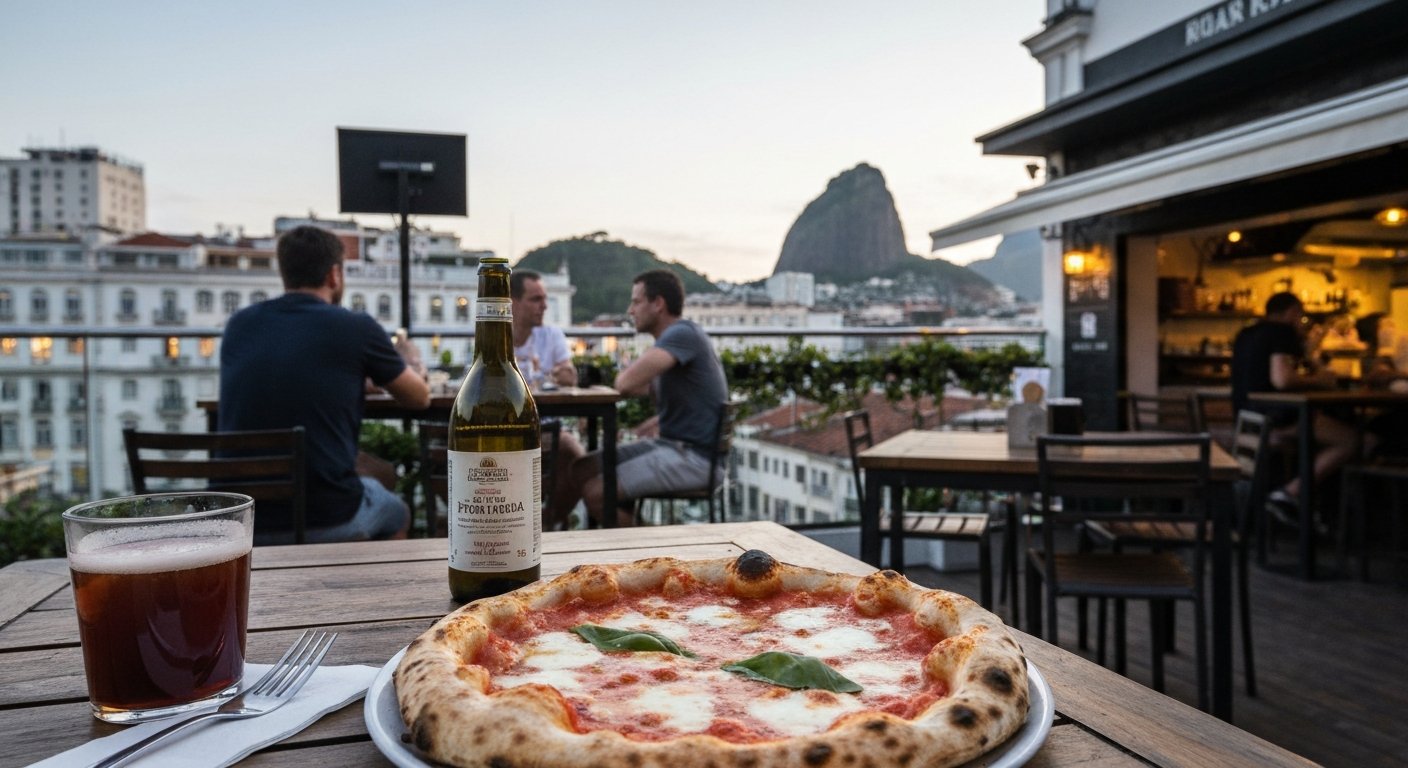
Marchezinho on Rua Voluntários da Pátria 46 is a different kind of pleasure: bistro, grocery and tapas bar in one, built on short-chain Brazilian producers. It is the sort of place that lets you graze, shop and linger without ever changing your mood. Miam Miam remains a long-running comfort-food favourite, the sort of name locals say with the confidence of people who know a neighbourhood’s memory still matters. And when the evening leans toward meat, Estrela do Sul on Rua General Severiano 97 has been serving meat rodízio since 1972. That longevity counts for something in a district that has reinvented itself so quickly. Botafogo may be the city’s newest old story, but places like Estrela do Sul remind you that the older chapters never fully disappeared.
Going out
This is why people cross town. Botafogo has quietly overtaken Lapa as the place Cariocas actually drink, and the ritual is easy to learn: pick a street, order a beer, drift between packed doorways. Rua Arnaldo Quintela and Rua Capitão Salomão are the two spines of the thing, and from Thursday to Saturday the pavements between the bars fill completely. There is no need to overdesign the night. The neighbourhood does the work for you.
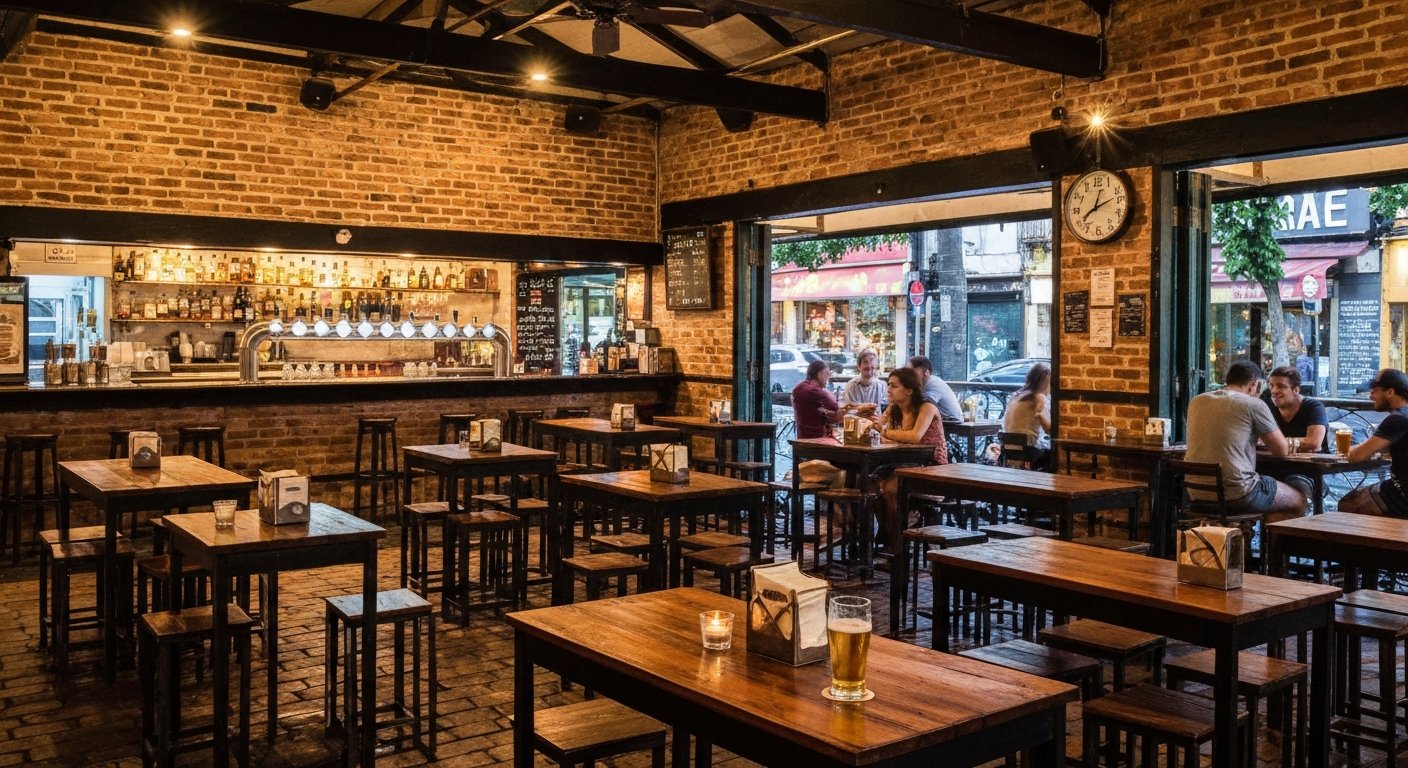
For craft beer, Hocus Pocus DNA on Rua Dezenove de Fevereiro 186 is the anchor. It is Rio’s most established brewpub, a former workshop with exposed brick and shared tables, pouring rotating house taps alongside petiscos and deep-fried snacks. On weekends it stays open past 2am, which tells you everything you need to know about Botafogo’s relationship with bedtime. Cervejaria Noi keeps a taproom here too, with its award-winning labels on pour, and the streets around it hold a cluster of tap houses that make the area feel less like a nightlife district than a very good excuse to keep walking.
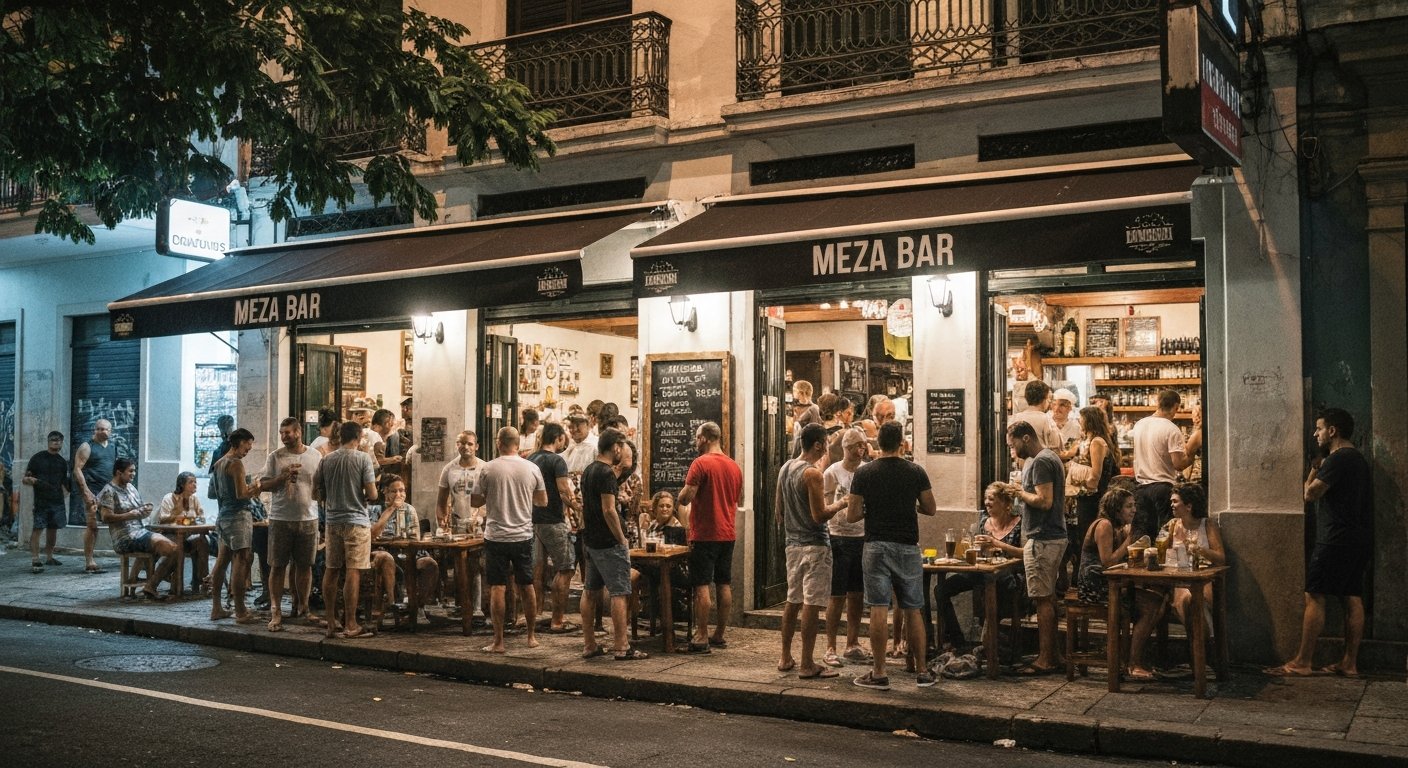
The cool-crowd bars are where Botafogo’s personality gets sharper. Quartinho is the of-the-moment favourite, an art-house room where the menu comes as a zine, the cocktails are inventive by Rio standards and the food is vegetarian-friendly. Meza Bar on Rua Capitão Salomão 69 pioneered the Brazilian tapas format and keeps going until 3am on weekends, which helps explain why the street stays alive long after dinner. Then there is Macuna on Rua Fernandes Guimarães 66, a three-floor bar with live music and DJs, and Polvo, with its seafood focus, ceviche, octopus sandwiches and signature drinks. Fala is the perpetually crowded one, good for beers, drinks and Brazilian appetisers when you want the room to feel like it is already in motion the moment you arrive.
What gives these places their force is not just quality, though there is plenty of that. It is the social geometry. Botafogo’s bars are close enough together that the night becomes a sequence rather than a destination. You do not arrive and settle. You arrive, stay, move, and then, if the street is doing what it should, move again. That is a very Carioca pleasure, but here it feels especially local, less polished than Ipanema, less tourist-facing than Copacabana, and all the better for it.
Things to do / what to see
By day, Botafogo’s pull is the bay and the launchpad it creates. The Enseada de Botafogo promenade is the obvious place to start, and the thing to do is simple: walk, cycle, look up. This is a view neighbourhood, not a swimming one. The water of Guanabara Bay is polluted and not for bathing, so the promenade is for movement and perspective, not a towel on the sand. That distinction matters. Botafogo is scruffier and more honest than the classic beach strips, and the promenade reflects that. You come for the sailboats, the Sugarloaf profile and the sense of the city opening out in front of you.
The neighbourhood is also the most convenient base for the Sugarloaf cable car in neighbouring Urca. From Botafogo metro, the 513 integration bus gets you there in minutes. It is one of those Rio moves that feels almost unfairly easy once you know it, especially if you are used to the city’s more sprawling logistics. The cable car itself is not in Botafogo, but the neighbourhood is the natural place to begin the ascent.
For culture, the Museu Nacional dos Povos Indígenas on Rua das Palmeiras 55 is worth the wander. The former Museu do Índio reopened in 2024 after eight years closed, and even while the galleries phase back in, the 1880 mansion, gardens and view of Christ the Redeemer make it a satisfying detour. Botafogo also has a proper gallery life, with spaces such as Athena and Cavalo sitting among the bars, and film lovers head to Estação Net Botafogo, one of Rio’s key art-house cinemas near the metro. That mix — museum, gallery, cinema, bar — is part of what makes the neighbourhood feel so fully inhabited.
Mostly, though, the daytime rhythm is less about ticking off sights than about drifting. Cafe-hop the design-forward coffee spots, browse a gallery, let lunch turn into a beer, and watch the neighbourhood slide from workday to evening without ever really switching costume. Botafogo is not a place that asks you to hurry. It rewards the opposite.
Don’t miss in Botafogo
The panoramic views from the rooftop of the Botafogo Praia Shopping.
The independent cinemas and cultural spaces along Rua Voluntários da Pátria.
The creative craft beer bars tucked into the neighborhood's side streets.
Shopping & markets
Botafogo’s shopping is practical first, then pleasantly specific. Rio Sul, one of Rio’s oldest and largest malls, sits at the neighbourhood’s edge near the tunnel to Copacabana, with several floors of Brazilian and international stores, a food court and a six-screen cinema. It is where you go for beachwear, electronics or an air-conditioned reset from the heat. Botafogo Praia Shopping, on the bayfront, is smaller but has the better view, especially from the terrace, where Sugarloaf gives even a mall lunch a sense of occasion.
Beyond the malls, the interesting retail life is independent and low-key: specialty-coffee roasters, natural-wine and craft-beer bottle shops tucked among the bars, small design and concept stores, and grocery-bistros like Marchezinho that double as delis for Brazilian producers. This is not a luxury-flagship district. It is a browsing-and-grazing one. You come for single-origin beans, a bottle from a local brewery, a gallery print, a good loaf of bread, a thing you did not know you needed until you saw it.
Where to stay in Botafogo
Botafogo is smart-value Rio. You get a genuinely local neighbourhood with fast metro links to the beaches and Centro, at noticeably lower rates than beachfront Ipanema or Leblon. That is the real appeal: a base with atmosphere, not just convenience. It suits travellers who care more about bars, food and the shape of an evening than about stepping straight onto sand, because the bay here is a view, not a swimming beach. If a swim from your doorstep matters most, this is not the neighbourhood for that. If you want the city’s going-out scene on your doorstep, it is hard to beat.
The quieter, leafier pockets uphill toward Humaitá and around the residential side streets give you calm nights within walking distance of the action. Book directly on Rua Arnaldo Quintela or Rua Capitão Salomão only if you want to fall out of bed into the party and do not mind late-night street noise. Accommodation runs from design hostels and aparthotels to mid-range hotels near the metro, and the logistics are strong: Copacabana and Ipanema are a few metro minutes away, Centro and Lapa are quick to reach, and Sugarloaf is one short bus ride.
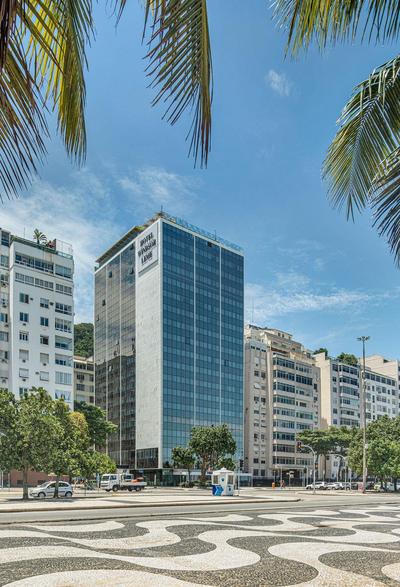
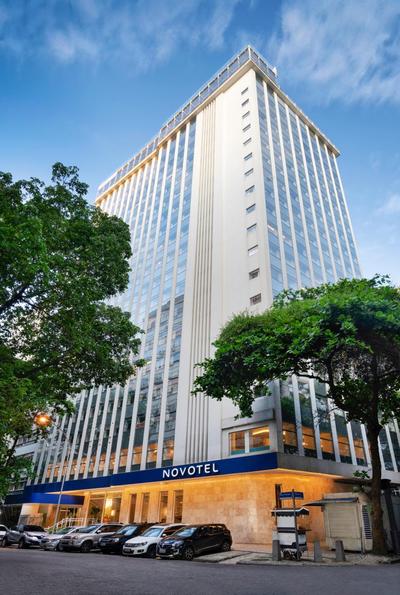
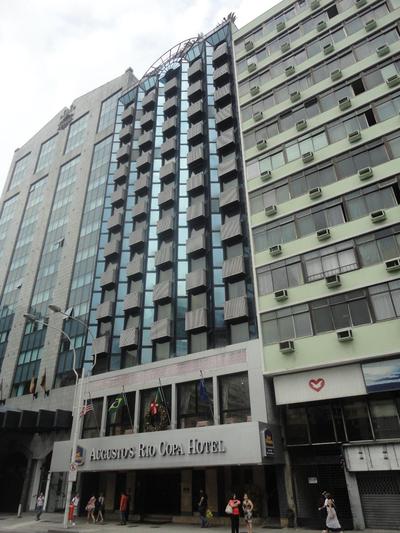
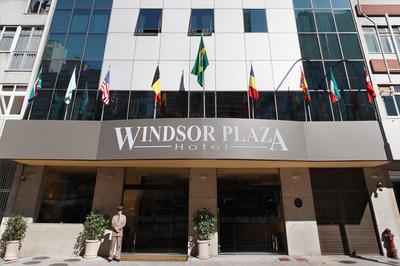
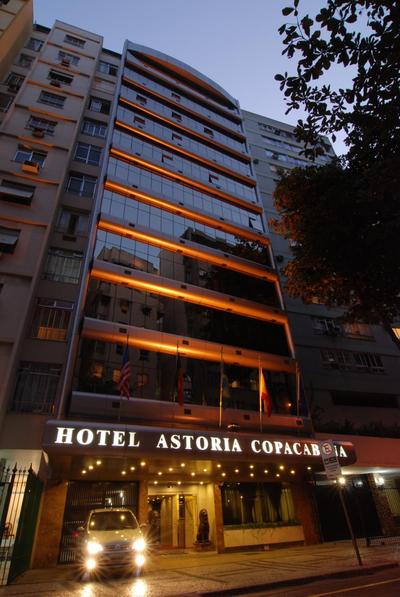
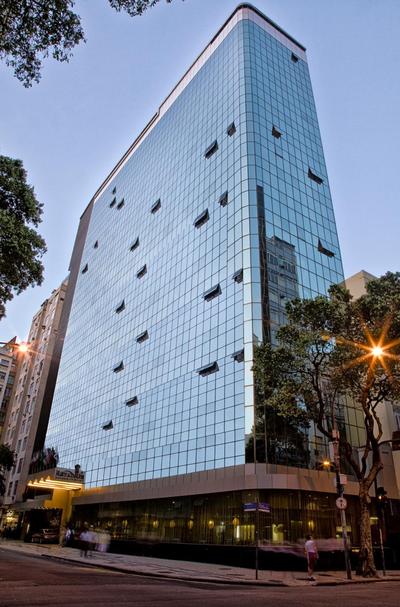
Hotels in Botafogo
Our best-rated stays in this neighbourhood. Prices are approximate “from” rates — confirmed at the provider when you continue. We may earn a commission if you book through our partners — at no extra cost to you.
In this area
In this area
Botafogo
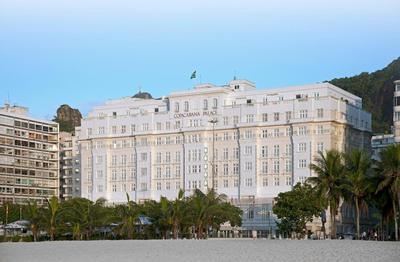
Copacabana Palace, A Belmond Hotel, Rio de Janeiro
9.5· 1,901 reviews
approx. from£701 / nightSee prices
In this area
In this area
In this area
In this area
In this area
In this area
In this area

In this area
In this area
Getting around
Botafogo is compact, flat near the bay and easy on foot. The bar streets, cafes and Rio Sul are all within a short walk of one another, which is part of why the neighbourhood works so well for nights out. The hub is Botafogo station on Metrô Line 1, also served by Line 4, with fast links south to Copacabana, Ipanema and Leblon and north to Centro and Lapa. Most Zona Sul beaches are only a few minutes away by train, which makes Botafogo feel central without being performative about it.
For Sugarloaf, take the 513 integration bus from Botafogo metro toward Urca and get off near the Praça General Tibúrcio cable-car station, or use a short ride app. Buses run along Rua Voluntários da Pátria and the bayfront in every direction. The metro closes overnight, so after a late night out the standard local move is a ride app home rather than a walk to quieter streets. Santos Dumont airport is roughly 10–15 minutes away, and Galeão international about 30–45 minutes depending on traffic.
Botafogo is not a beach holiday in the postcard sense. It is better than that, or at least more interesting: a neighbourhood where the city’s appetite for food, drink and late-night company has found a very walkable home, with Sugarloaf watching over it from across the bay. That is a fine place to be if you like your Rio with a little grit in the polish.
Gallery
Botafogo in pictures
Botafogo — your questions
Is Botafogo a good area to stay in Rio de Janeiro?
Yes — especially if you want the real local going-out scene, strong food, and better value than the beach neighbourhoods. It has fast metro links to Copacabana, Ipanema and Centro, and it is the handiest base for the Sugarloaf cable car. The trade-off is simple: Botafogo’s bay is a view, not a swimming beach.
Is Botafogo safe at night?
The busy bar streets like Rua Arnaldo Quintela and Rua Capitão Salomão are lively and generally fine at night, with crowds until late. As anywhere in Rio, stay alert: keep your phone tucked away, carry only small cash, avoid empty side streets and the darker beachfront after dark, and take a ride app home once the metro has closed.
Can you swim at Botafogo beach?
No. Botafogo beach gives you the classic sailboats-and-Sugarloaf postcard, but it sits on polluted Guanabara Bay and is not suitable for bathing. Use the promenade for walking and cycling, then head to Copacabana, Ipanema or Leblon for a proper ocean swim.
What is Botafogo best for?
Craft beer, nightlife, casual and fine dining, local atmosphere and easy access to Sugarloaf. It is a good fit for travellers who want a walkable neighbourhood with plenty going on after dark.