In this area
The Rio De Janeiro issue
Copacabana, Rio de Janeiro: the democratic beach that never sleeps
A walk through Rio’s most famous crescent, where the mosaic promenade, botecos, fort views and all-night beach life still belong to everyone.

By Rodrigo NascimentoGranite peaks and Atlantic surf, trailhead to seawall
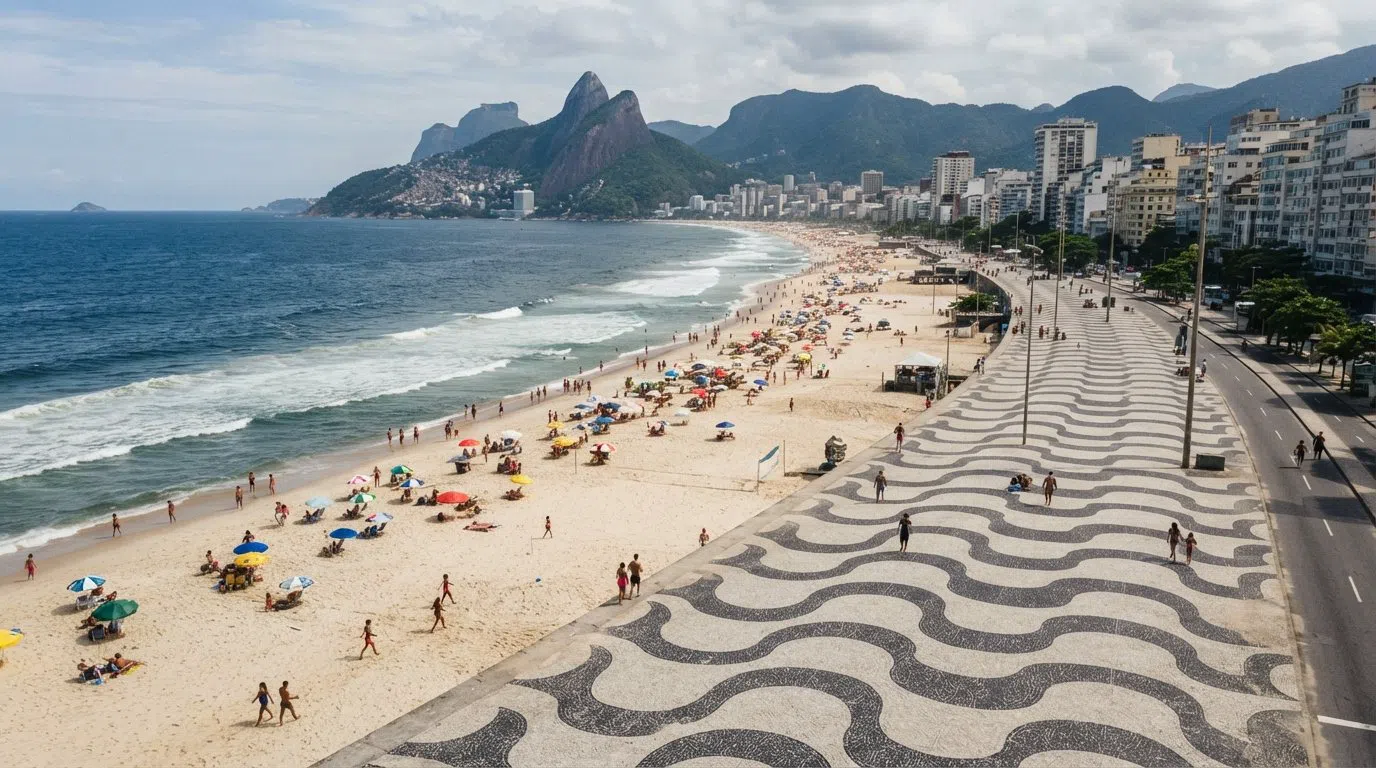
Copacabana starts making sense the moment your feet hit the black-and-white wave mosaic and the Atlantic wind comes in off the sand. The promenade curves away in both directions, the beach opens like a stage, and there is no pretending this is a private club. Fishermen are already at work near the Leme end, swimmers are cutting through the water, and by the time the sun lifts higher, the place has settled into its familiar rhythm: balls thumping, radios murmuring, beer caps clinking, and the city’s most famous shoreline doing what it has always done — absorbing everybody.
What Copacabana is known for
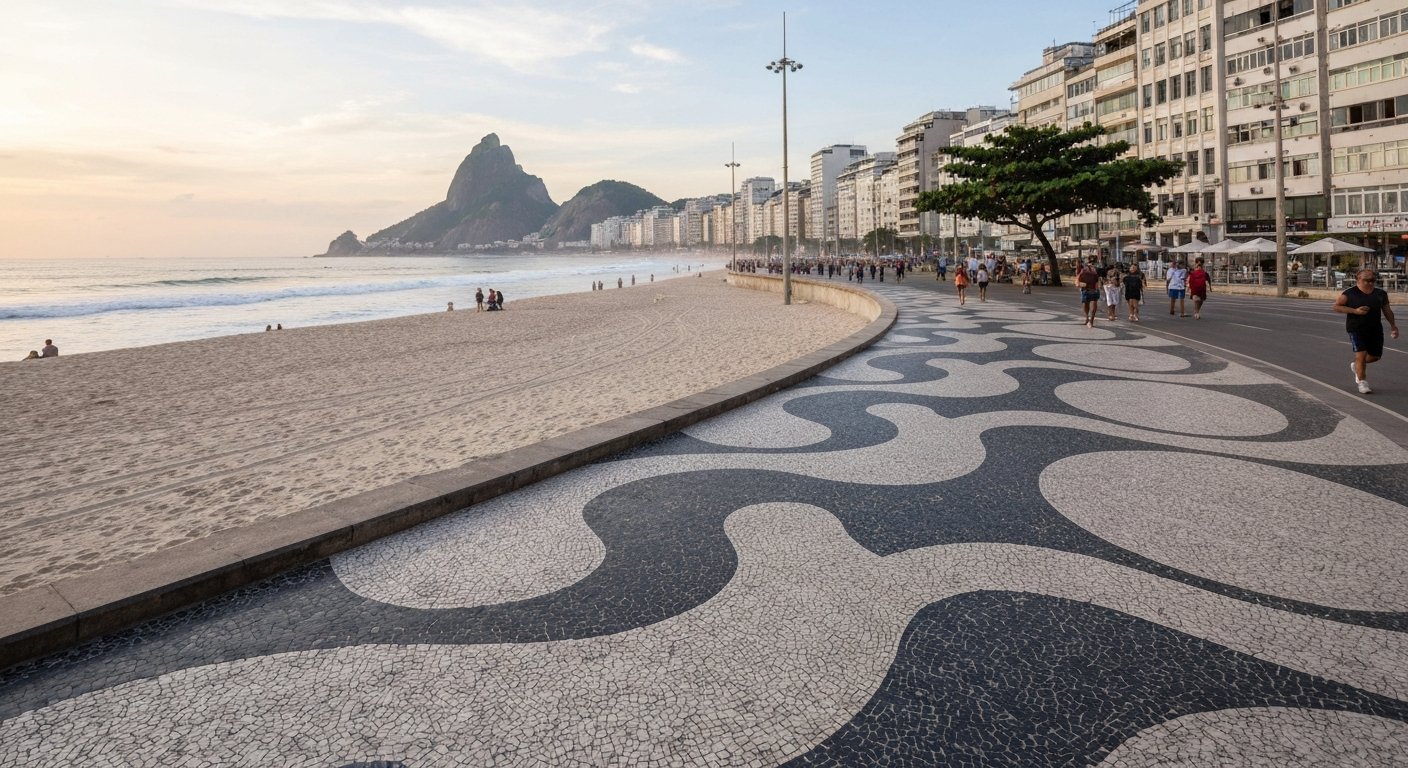
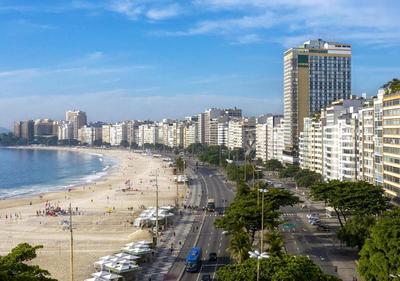
Copacabana’s first claim to fame is the beach itself: a four-kilometre crescent that runs from Leme to the Forte de Copacabana, edged by that black-and-white Portuguese-stone promenade in a rolling wave pattern that has become one of Rio’s most recognisable signatures. The design was finalised by Roberto Burle Marx in the 1970s, but it feels older than that, as if the city had always known this is how a beachfront should move. The sand is divided by six numbered lifeguard stations, postos 1 to 6, and locals use them the way other cities use street corners. Posto 6, by the fort, is the calmer, more scenic end; postos 4 and 5 are where the feet-only game of futevôlei hums through the day, a Rio invention from the 1960s that still looks like a dare made into sport.
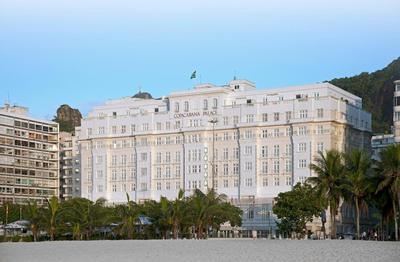
The neighbourhood’s skyline is anchored by the Copacabana Palace, the Art Deco grande dame that opened in 1923 and effectively put the area on the map. It still carries itself like a hotel that knows the cameras are coming, but it is not just a relic of glamour; it is part of the district’s living fabric, a place where black-tie evenings and everyday beach life somehow coexist. At the southern tip, the Forte de Copacabana keeps watch with metre-thick walls and old coastal guns, a reminder that this postcard curve once had a military edge. And once a year, the whole beach turns into a communal ritual site for Réveillon, when around two million people in white gather for the New Year fireworks launched offshore from barges. Copacabana does scale well — it has to — but it also knows how to make scale feel intimate, at least for the length of a sunset.
The neighbourhood’s charm is that it is never trying to be discreet. Where Ipanema and Leblon tend to polish themselves into something more exclusive, Copacabana is democratic and a little worn at the edges, and that is exactly why it works. Grand hotels sit beside cheap per-kilo canteens; retirees play cards under the almond trees while surfers cross Avenida Atlântica with boards under their arms; the soundtrack shifts from a busker’s cavaquinho to the hiss of surf to the clatter coming from the kiosks. It can feel busy and unglamorous in the hard light of midday. Give it evening, though, or a gold-lit late afternoon, and the whole crescent loosens into one of the great urban beaches anywhere.
Plan your Rio De Janeiro trip
Live prices from our booking partners.
Guests & rooms
Free cancellation on many rooms. We may earn a commission when you book.
Where to eat & drink
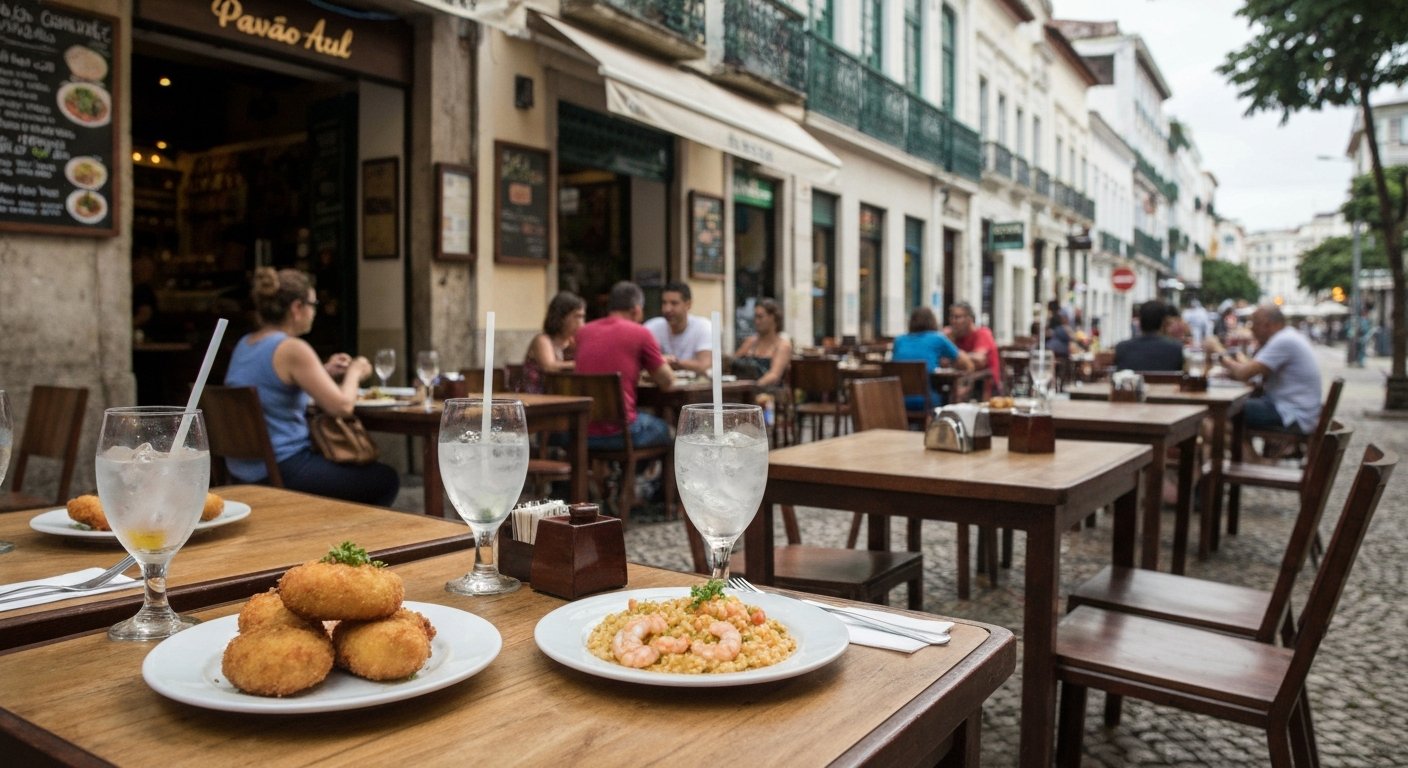
Copacabana eats like a neighbourhood that has spent decades feeding every class, every hour, every appetite. It is boteco country first and foremost — tiled, no-frills bars where the room may be plain but the food has memory in it. Pavão Azul on Rua Hilário de Gouveia is the one people say out loud before they even finish the sentence. It has been going since 1957 and is now a listed Carioca Cultural Heritage bar, famous for cold chopp, pataniscas de bacalhau — those potato-free cod fritters — and shrimp risotto, all of it spilling onto the corner in the most unselfconscious way. This is the kind of place where lunch can drift into late afternoon without anyone caring.
A few streets over, Adega Pérola on Rua Siqueira Campos has spent more than six decades pouring wine and cachaça from behind a refrigerated glass counter lined with Iberian-style petiscos. Marinated octopus, stuffed olives, sardines — the sort of things you point at rather than order, which is always a good sign in Rio. It is one of those places that teaches you the neighbourhood by osmosis: stand at the counter long enough and you begin to understand who comes here for a quick drink, who stays for a meal, and who has been doing both for years.
Boteco Belmonte has a busy Copacabana branch too, and it plays its role well: polished enough to feel easy, relaxed enough to remain a real bar, with well-poured chopp and the open-faced pastéis that keep the tables turning. If you want a stronger dose of late-night Rio ritual, Cervantes on Avenida Prado Júnior is the move. It has been a bohemian fixture since the 1950s and reopened in 2022 under the Belmonte group, but the soul of the place is still the same: the roast-pork-and-pineapple sandwich that people queue for until roughly 5am. That sandwich is absurd in the best possible way — salty, sweet, greasy, direct — and very much in keeping with a neighbourhood that doesn’t believe in going home too early.
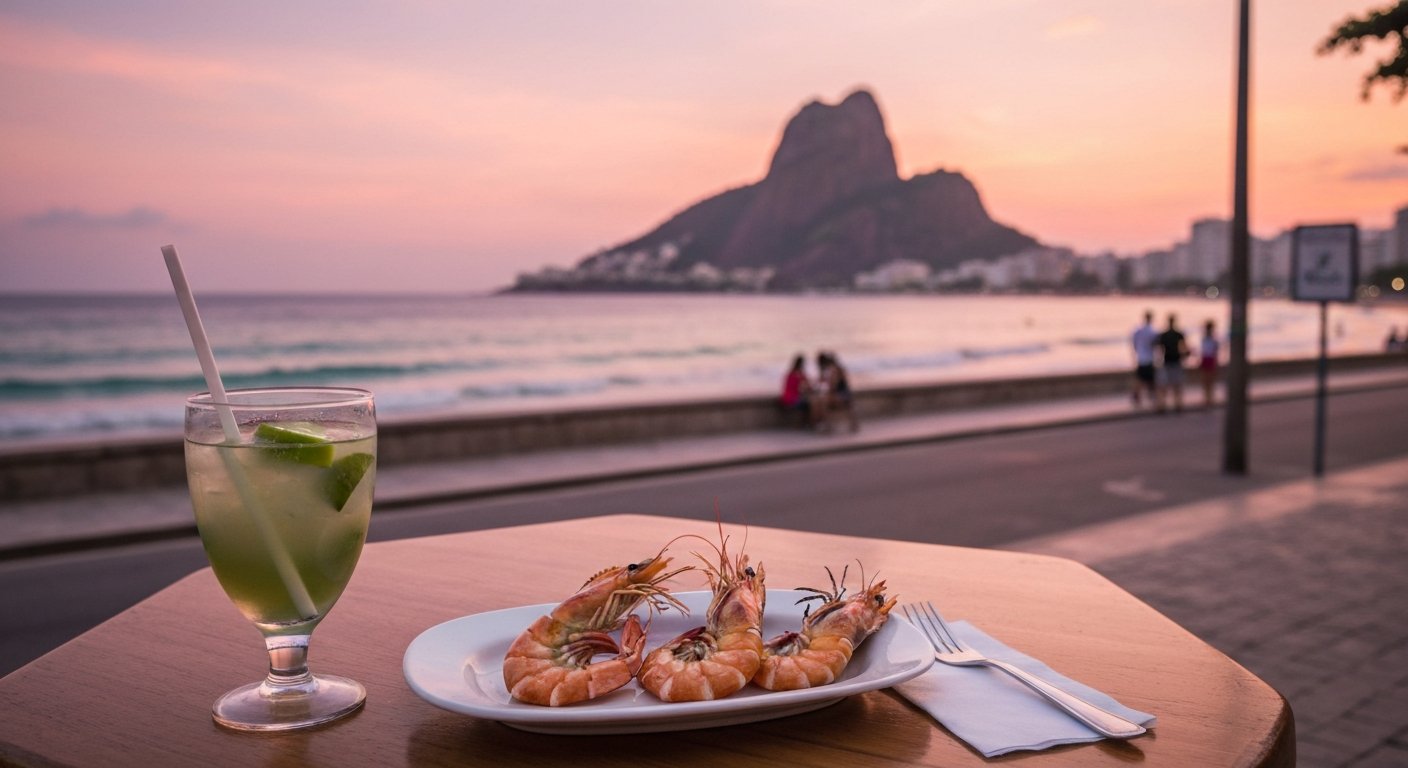
Meat-lovers have their own pilgrimage points. Churrascaria Palace on Rua Rodolfo Dantas has been doing rodízio since 1951, while Marius Degustare at the Leme end of Avenida Atlântica takes the all-you-can-eat idea and turns it into a lavish seafood-and-grill spread. At the luxury end, the Copacabana Palace keeps two serious dining rooms: the Michelin-starred pan-Asian MEE and the elegant Italian Cipriani. If you want the hotel’s most Rio-facing ritual, Pérgula by the pool is the place for Saturday feijoada. And if all of that sounds too formal for the beach you came for, the beachfront quiosques are waiting with sunset caipirinhas and grilled prawns, which is often exactly what the evening needs.
Going out
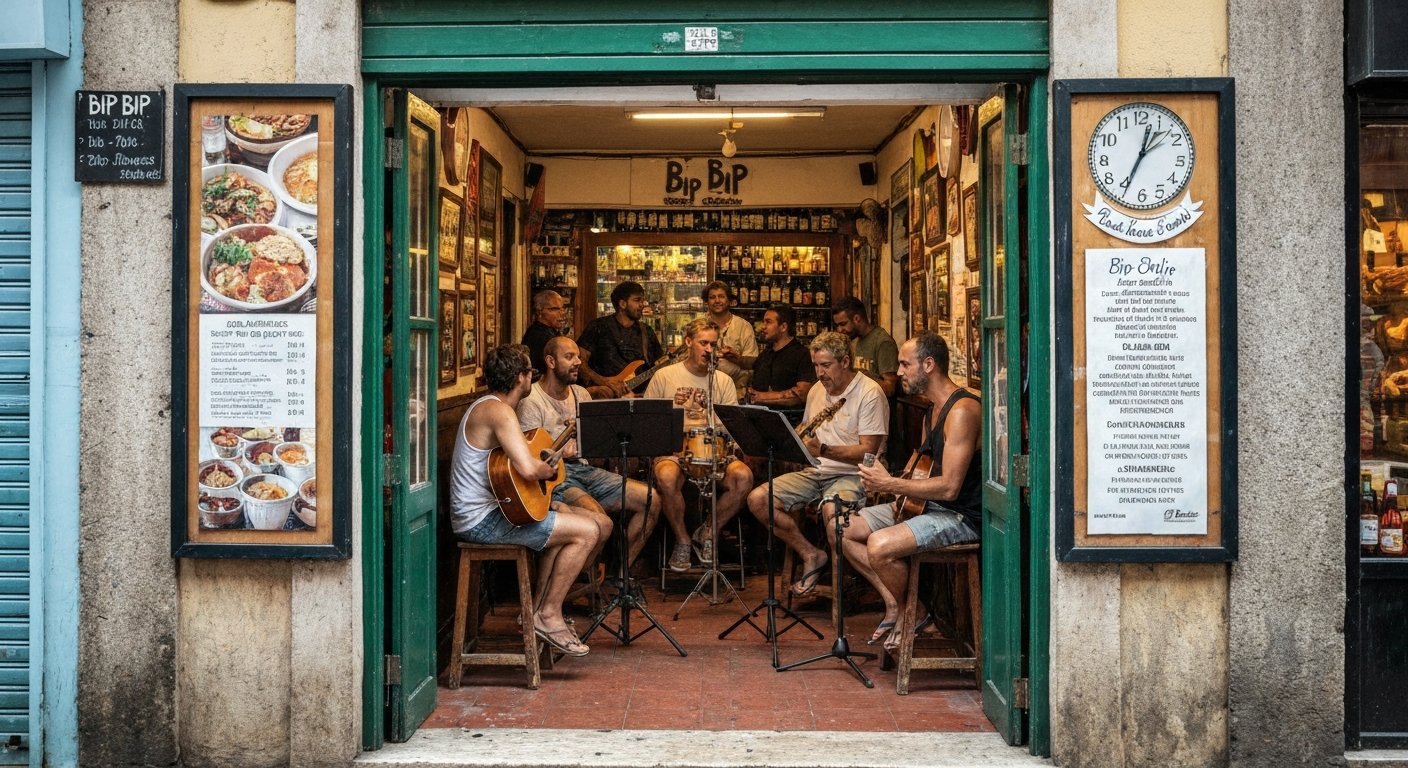
Copacabana’s nightlife is not about giant clubs or velvet-rope theatre. For that, people head to Lapa. Here, the after-dark life is more local, more porous, and often better for it. The jewel is Bip Bip on Rua Almirante Gonçalves, a tiny honour-bar of roughly 18 square metres that has hosted acoustic rodas since 1968. There is no stage, no cover, no waiter. You take a beer from the fridge, note it on the honour system, and squeeze in shoulder to shoulder while musicians play choro, samba and bossa nova in a room that somehow stays respectfully hushed even when it is full. Tuesdays are for choro, Sundays and Thursdays for samba, Wednesdays for bossa nova. It is one of the most authentic music experiences in the city because it refuses to behave like one.
Along the sand, the quiosques on Avenida Atlântica are the default evening move. Order caipirinhas, share petiscos, watch the promenade drift by, and stay as late as you like. Several around postos 3 to 5 put on live music at weekends, which helps the whole beachfront feel less like a tourist strip and more like a long, public living room. For a dressier drink, the bars of the Copacabana Palace — the piano bar and the seasonal pool bar — put you among the A-list without requiring you to dress like a movie star. The Leme-end hotel bars keep that same polished mood, just a little softer around the edges.
The older botecos double as nightlife too. Pavão Azul, Adega Pérola and Cervantes all pull standing crowds onto the pavement well into the night, which is a very Copacabana kind of scene: no one is in a hurry, the beer is cold, and the street does half the social work. If you need DJs and a proper club, take a ride app to Lapa and leave Copacabana to its own strengths.
Things to do and what to see
Start with the obvious and don’t rush it: walk the Copacabana beach promenade end to end, from Leme to the fort, ideally in the cooler hours when the heat hasn’t flattened the city yet. The mosaic underfoot and the sweep of the bay are the point, not the backdrop. This is one of those walks that changes character every few blocks. Near Leme the mood is calmer and more residential; around postos 4 and 5 the futevôlei nets take over; closer to posto 6, the beach opens toward the fort and the whole curve feels more composed.
Rent a chair from a barraca crew, swim if the conditions are right, and keep in mind that the water is cleaner and calmer toward the Leme end and posto 6. If you want to try futevôlei, postos 4 and 5 are where the action lives. Even if you never touch a ball, it is worth pausing to watch. The game has a kind of elegant absurdity to it — all ankles, timing and quick feet — and it belongs to Copacabana as surely as the promenade does.
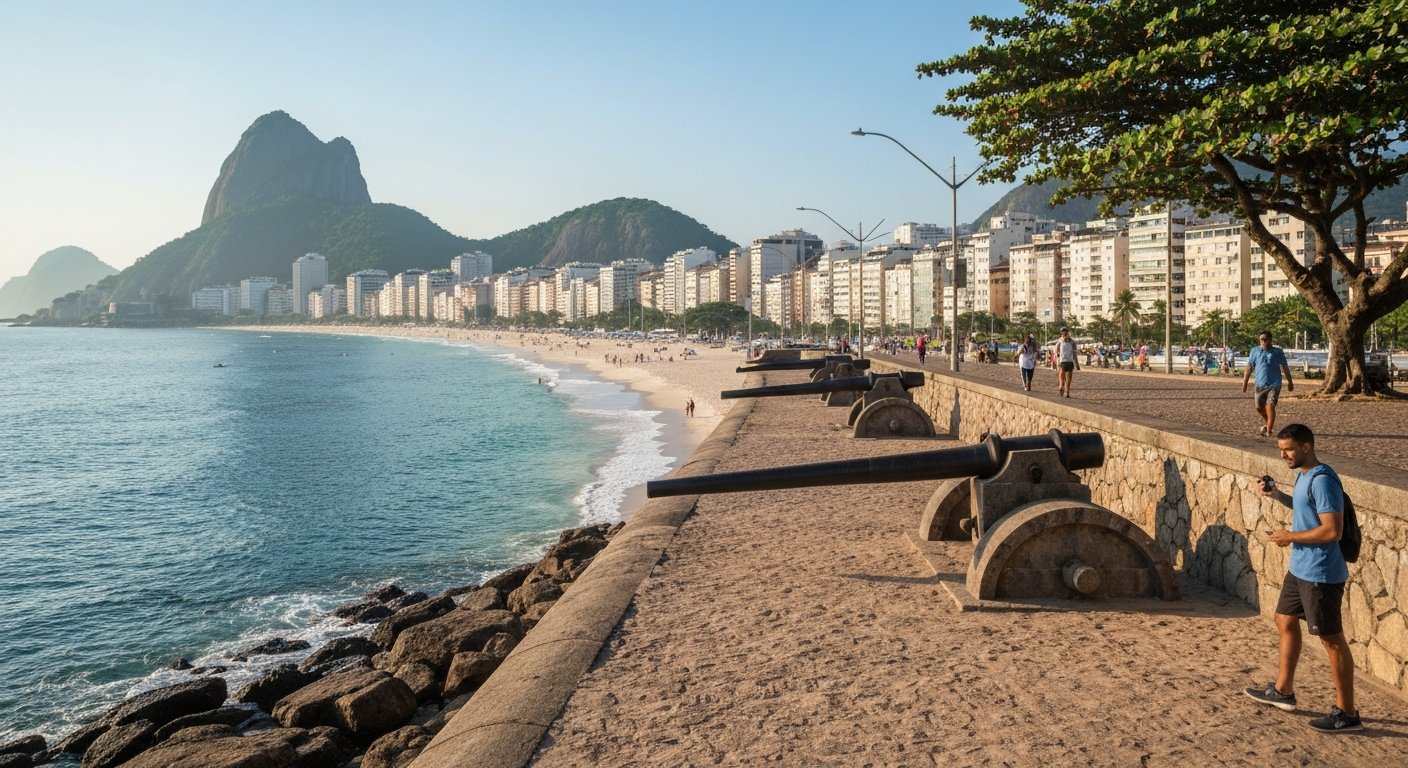
The Forte de Copacabana at the southern tip is a classic stop and one that earns its popularity. A small entrance fee gets you onto the ramparts among the old coastal guns, with knockout views back along the beach. The reward for the walk is the Confeitaria Colombo – Café do Forte, the seaside branch of Rio’s Belle Époque café, where pastries and coffee come with bay views and a sense that time has slowed just enough to let you notice the sea. It is roughly open Tuesday to Sunday and closed Mondays, which is worth remembering if you are planning the stroll around breakfast or a late morning pause.
At the opposite end, the short trail up Forte Duque de Caxias at Ponta do Leme gives you a panoramic overlook of the whole crescent. It is one of those views that explains the neighbourhood better than any map can. The beach reads as a single arc; the hotels become markers rather than monuments; the city feels both immense and contained. And if you want the classic photo stop, the Copacabana Palace is still the one. It is the kind of façade that can make even a passing glance feel ceremonial.
For runners, the pre-dawn and dusk jogs are part of the Copacabana ritual. For everyone else, they are worth watching. The beach has a way of turning exercise into theatre without anyone seeming to mind. If your trip falls on 31 December, Réveillon is the big one: book far ahead, arrive early, and expect the whole city to spill onto the sand in white for luck. The fireworks last roughly 10 to 15 minutes, but the atmosphere stretches much longer than that.
Don’t miss in Copacabana
The historic Copacabana Fort at the southern end of the beach.
The traditional kiosks along the boardwalk for a late-night draft beer.
The daily morning fish market at Posto 6.
Shopping & markets
Copacabana’s shopping is practical, street-level and beach-adjacent rather than precious. That suits the neighbourhood. The nightly Feira Noturna de Artesanato sets up along the Avenida Atlântica promenade, broadly between postos 4 and 5, from around 6pm to midnight. It is a proper neighbourhood market, with well over a hundred stalls selling paintings, hammocks, jewellery, beachwear and souvenirs. This is the place to browse after dinner, not because it is rare, but because it feels like part of the evening’s drift.
On weekends and holidays, the Feira do Lido craft fair fills Praça do Lido near posto 2, and its longevity matters as much as its stock. These are the sorts of markets where artisans have shown up for decades, which lends the whole thing a steadiness that purely tourist markets often lack. You can still find the usual beach souvenirs, but the rhythm is local first, visitor second.
For everyday needs, the long back streets — Avenida Nossa Senhora de Copacabana and Rua Barata Ribeiro — are wall-to-wall pharmacies, Havaianas shops, bakeries, per-kilo canteens and small stores. This is where Copacabana lives when the beach is not performing: buying lunch, picking up flip-flops, replacing sunscreen, finding a cheap meal. Bargain-hunters can also dig through the antique dealers upstairs at Shopping Cidade Copacabana, a reminder that even in a neighbourhood this beach-focused, there is still room for oddities and second-hand treasure.
Where to stay in Copacabana
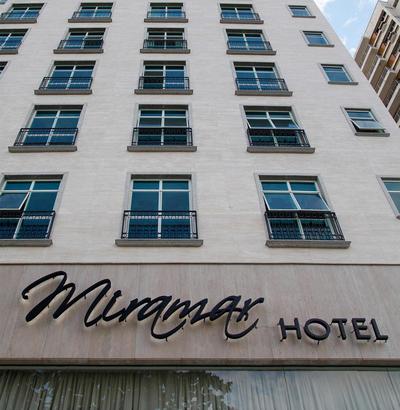
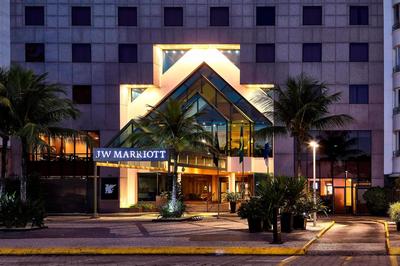
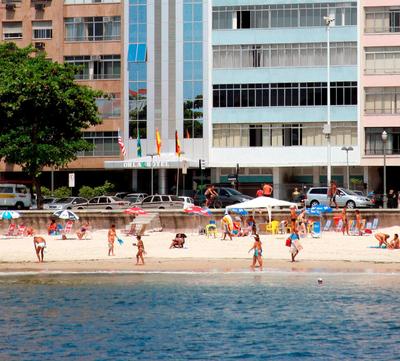
Copacabana is one of Rio’s most convenient bases because it gives you the beach, the metro and a huge range of accommodation in one place. You can stay in a hostel, a mid-range hotel or the legendary Copacabana Palace, and still usually pay better value than you would for a comparable beachfront address in Leblon. The sweet spot for most travellers is one or two streets back from Avenida Atlântica. You stay close enough to reach the sand in a couple of minutes, but you avoid paying full oceanfront rates, and you are near the metro at Cardeal Arcoverde, Siqueira Campos or Cantagalo.
The quieter Leme end, around postos 1 and 2, suits travellers who want a more residential feel. The posto 5 to 6 stretch toward the fort is scenic and relaxed, with the added bonus of being close to some of the neighbourhood’s calmer water and best views. If you are a light sleeper, avoid rooms facing the busiest bar corners. And if you are sensitive to late-night street life, do not choose the back blocks furthest toward the hillsides, which can feel edgy after dark.
Copacabana is especially good for first-timers, couples and anyone who wants the iconic beach experience without sacrificing practical transport. It is also a place where the hotel map matters less than the street you are on. In Copa, a few blocks can change the whole mood of a stay.
Hotels in Copacabana
Our best-rated stays in this neighbourhood. Prices are approximate “from” rates — confirmed at the provider when you continue. We may earn a commission if you book through our partners — at no extra cost to you.
In this area
In this area
In this area
Copacabana
Copacabana Palace, A Belmond Hotel, Rio de Janeiro
9.5· 1,901 reviews
approx. from£991 / nightSee prices
In this area
In this area
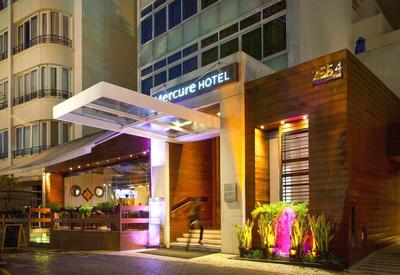
In this area
In this area
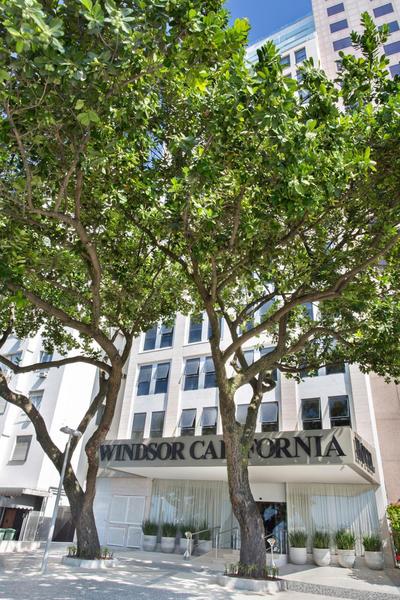
In this area
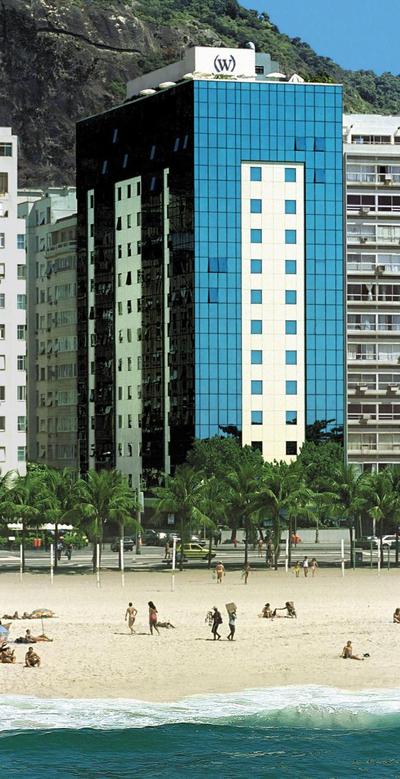
In this area
In this area
In this area
Getting around
Copacabana is flat, gridded and easy to walk, which is one reason the neighbourhood works so well for visitors. The beach promenade is the nicest way to move along the shore, and the metro gives you quick access to the rest of the city. Copacabana has three stations on Metrô Line 1: Cardeal Arcoverde at the northern Leme end, Siqueira Campos in the centre, and Cantagalo toward the southern edge near Ipanema. Line 1 links fast to Ipanema, Botafogo, Flamengo and downtown Cinelândia, which makes Lapa and Centro easy to reach.
The metro runs roughly from 5am to midnight Monday to Saturday, with reduced Sunday and holiday hours, so late nights are better handled by taxi or a ride app. Ipanema is only about 10 minutes by cab or a couple of metro stops away. Lapa and the samba clubs are around 15 to 20 minutes by ride app. If you are heading to the Sugarloaf cable car in Urca or up to Christ the Redeemer, both are short hops by cab.
Santos Dumont domestic airport is roughly 15 to 20 minutes away, while Galeão international airport is about 40 to 60 minutes depending on traffic. Keep your phone tucked away on the metro and streets, and use registered taxis or ride apps after dark. Copacabana rewards easy movement, but like any busy urban beach, it asks you to stay alert.
Copacabana is not the Rio of private terraces and quiet exclusivity. It is the Rio of public space done at full volume: a beach where the city shows up in all its contradictions, from heritage botecos and grand hotels to football feet and late-night sandwiches. That is why it endures. It does not try to be for everyone. It simply is.
Gallery
Copacabana in pictures
Copacabana — your questions
Is Copacabana a good area to stay in Rio de Janeiro?
Yes. For most first-timers, it is one of the best-value and most convenient bases in Rio: iconic beachfront, plenty of hotels and hostels, and three metro stations for quick trips to Ipanema, Lapa and the city’s main sights. If you want better value, look one or two streets back from Avenida Atlântica, and if you want a calmer feel, choose the Leme end or the posto 5–6 stretch. Travellers after a more polished, upmarket beach scene often prefer Ipanema or Leblon.
Is Copacabana safe?
The beachfront promenade and main avenues are busy and generally fine by day and into the evening, but Copacabana does see petty theft. Keep phones and valuables out of sight, take only what you need to the beach, avoid the sand and the quieter back streets after dark, and use ride apps rather than walking home late. Ordinary big-city caution goes a long way here.
What is New Year’s Eve in Copacabana like?
It is Rio’s biggest New Year party: around two million people pack the beach, most dressed in white for luck, for concerts and a fireworks show launched from barges offshore that lasts roughly 10 to 15 minutes. It is spectacular and intense, so book accommodation many months ahead, expect road closures and huge crowds, and arrive early if you want a spot on the sand.
What is Copacabana best for?
Copacabana is best for the classic beachfront Rio experience: a lively all-ages scene, easy metro access, botecos and beach kiosks, the famous promenade, and a neighbourhood that stays active from morning swims to late-night drinks.