In this area
The Rio De Janeiro issue
Flamengo, Rio de Janeiro: the park-side neighbourhood that lives like a local
Between the bay and the old downtown, Flamengo is Rio at practical speed: a grand park, old botecos, museum stops and metro-easy living without the beach theatrics.
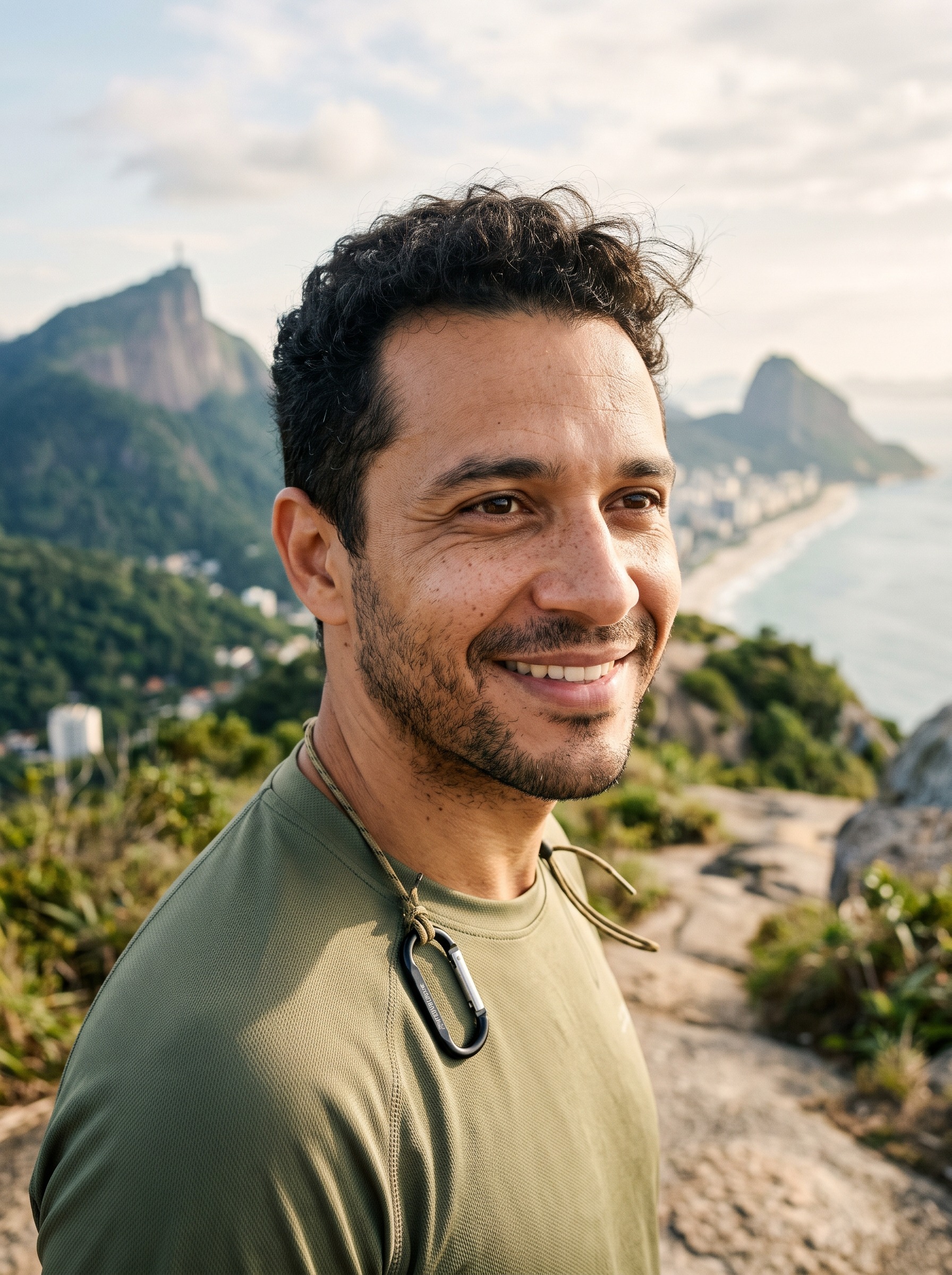
By Rodrigo NascimentoGranite peaks and Atlantic surf, trailhead to seawall
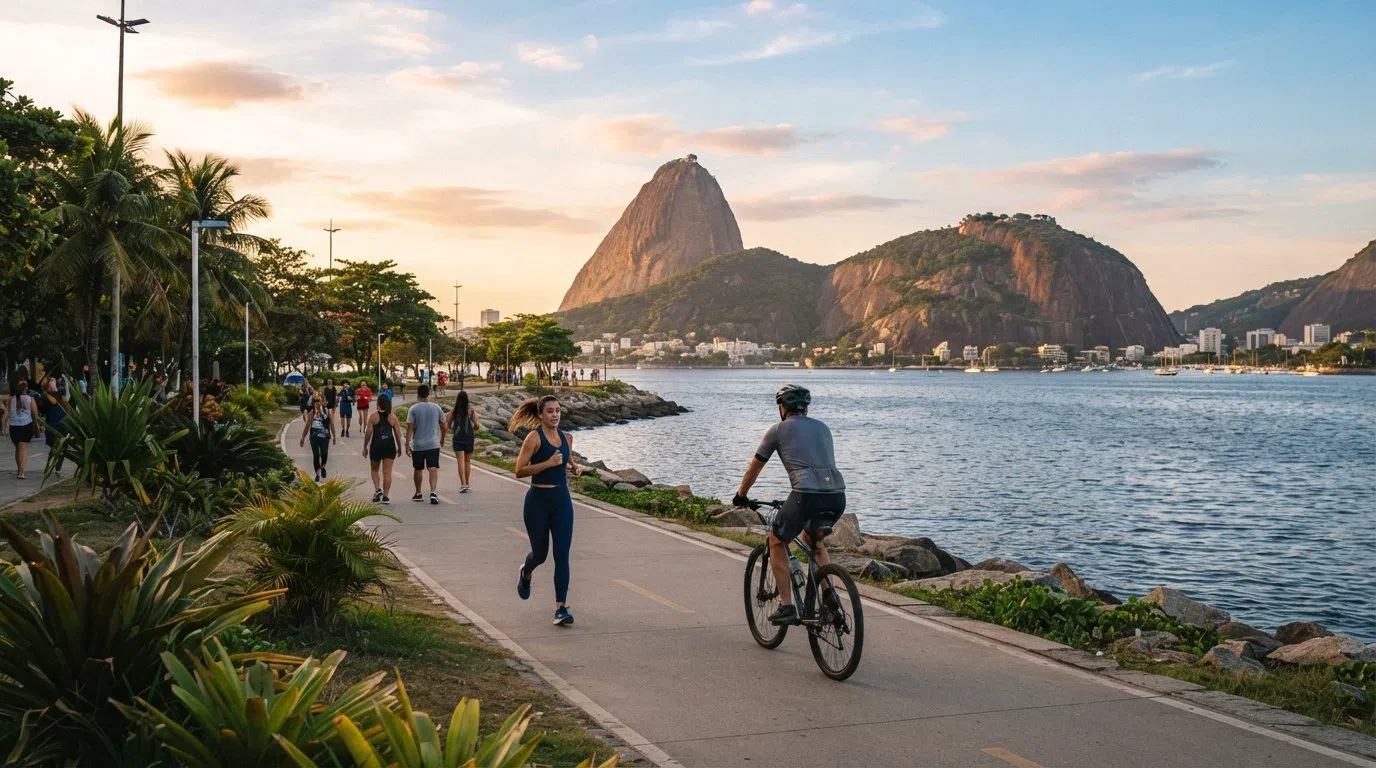
On a Sunday morning, the Aterro do Flamengo belongs to Cariocas: the road lanes are shut to cars, and joggers, skateboarders and families on rented bikes stream past Burle Marx’s palm groves with Sugarloaf sitting square across the bay. That’s the first truth about Flamengo, and the one that explains the rest. This is Rio’s green middle ground — residential, lived-in, a little faded at the edges, and all the better for it. The apartment blocks are handsome 1930s and 40s Art Deco slabs, the streets carry the city’s daily business rather than its performance, and the park gives the whole neighbourhood its lungful of air. If you want the polished beach-belt fantasy, keep moving south. If you want a place where people actually live, walk, eat, commute and argue over a chopp before heading home, Flamengo starts making sense very quickly.
What Flamengo is known for
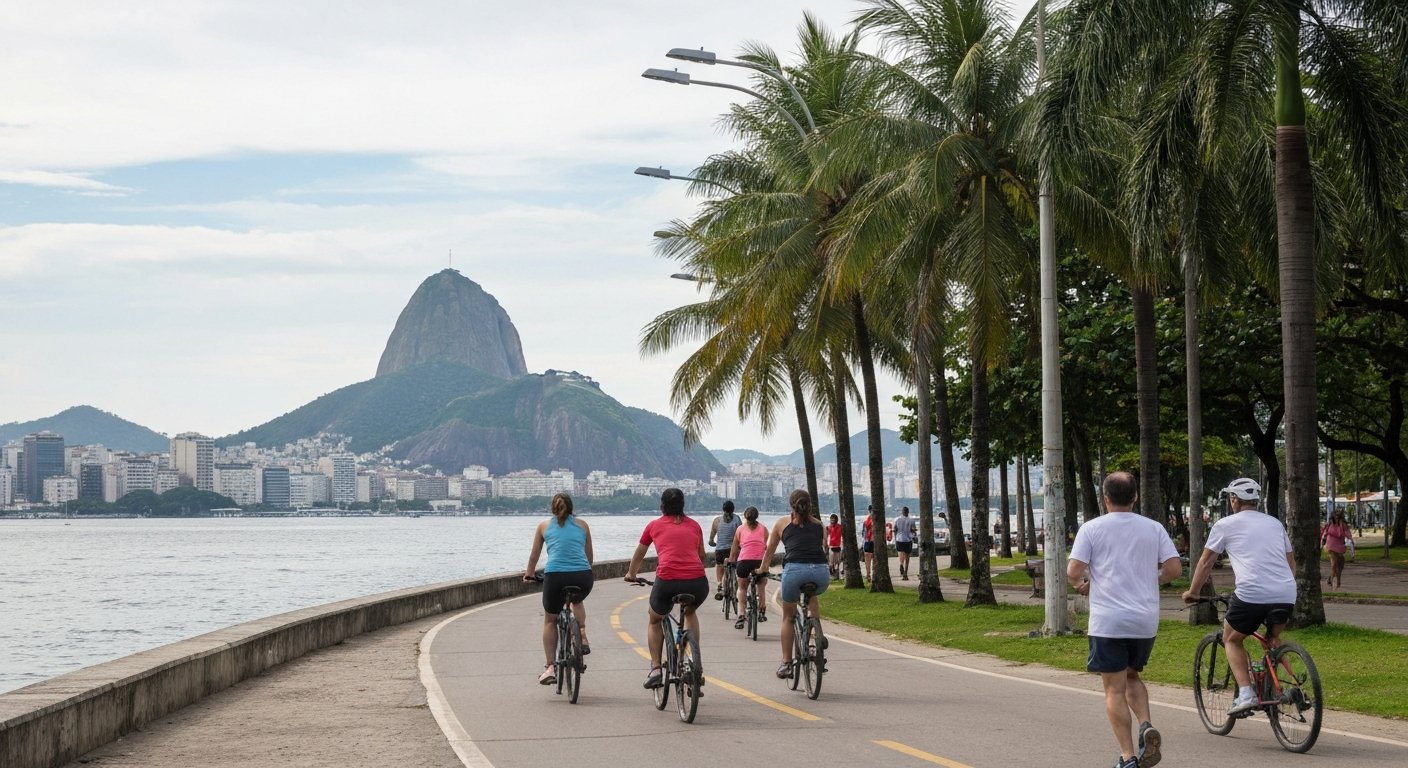
Flamengo is known first and last for the Aterro do Flamengo, the vast bayside park that changes the neighbourhood’s whole rhythm. Officially Parque Brigadeiro Eduardo Gomes, though almost nobody uses that name, it is the largest urban seaside park of its kind, a 1.2-million-square-metre sweep of reclaimed land laid out in the early 1960s by Roberto Burle Marx. He planted it like a modern tropical dream: 17,000 trees, hundreds of Brazilian species, broad lawns, curving beds, jogging and cycling paths, sports courts and free outdoor gym equipment, all stitched between traffic and water. On paper it sounds like infrastructure; on the ground it feels like a civic habit. People come here to move, sit, flirt, stretch, gossip and watch the light change over the bay. The park is not a side attraction in Flamengo. It is the argument for the neighbourhood.
The other thing Flamengo is known for is that it never quite became a postcard district. The streets inland from the park are lined with those 1930s–40s Art Deco apartment buildings, tall and slightly faded, once among the city’s smarter addresses and now part of a calm middle-class enclave. The neighbourhood sits between Rua Marquês de Abrantes and Rua do Catete, two busy commercial spines that keep it practical rather than precious. There are two metro stations, real museums, old restaurants and botecos that have survived long enough to become institutions. During Carnival, the park can still explode into spectacle — Sargento Pimenta, the Beatles-in-samba bloco, drew an estimated half a million people to the Aterro in 2025 — but even that feels like Flamengo borrowing the city’s energy for a day rather than becoming a stage permanently.
What makes it attractive to repeat visitors is the balance. You can have a morning run with open water in front of you, an afternoon in a museum, dinner in a room that has been serving Rio since the 19th century, then a late drink without crossing half the city. That is not how Rio sells itself, but it is how a lot of Rio works.
Plan your Rio De Janeiro trip
Live prices from our booking partners.
Guests & rooms
Free cancellation on many rooms. We may earn a commission when you book.
Where to eat & drink
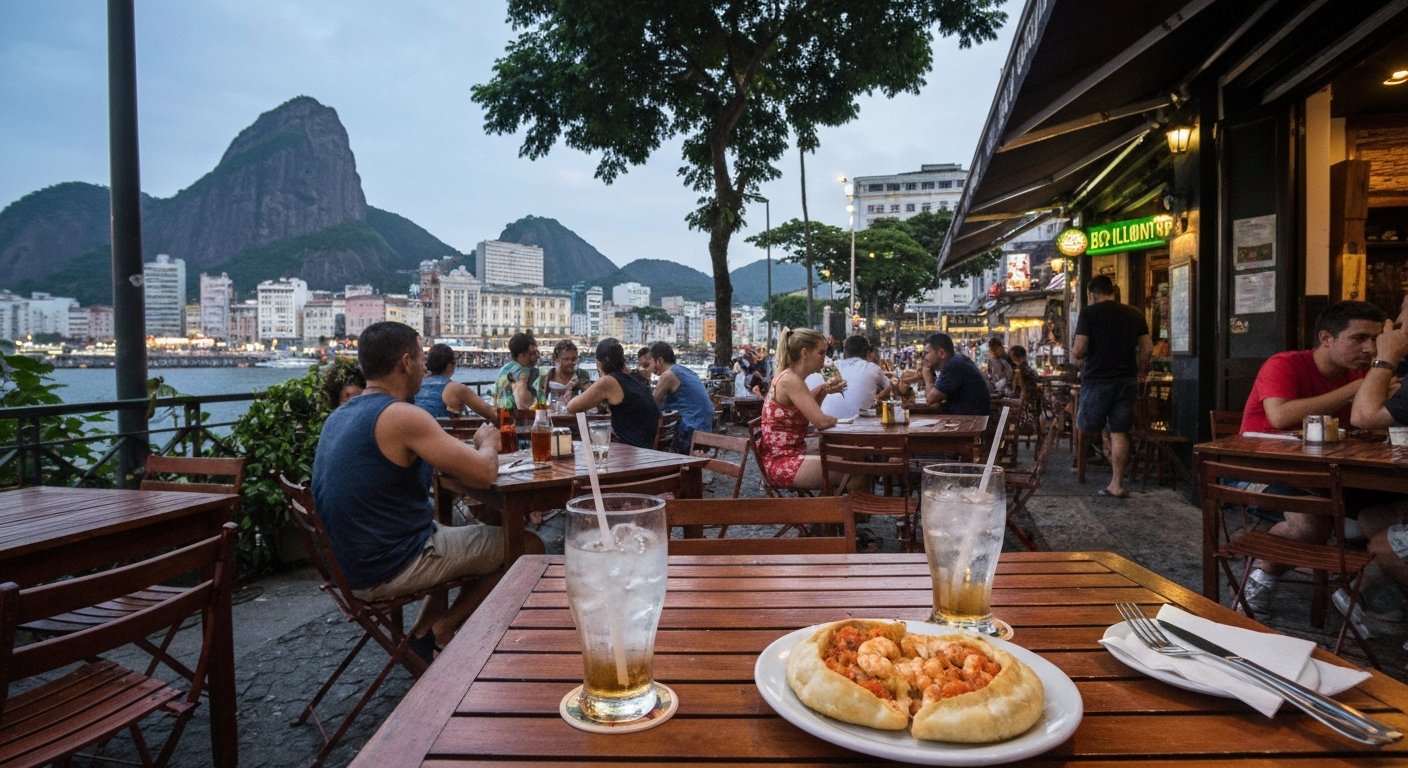
Flamengo is boteco country, and the mood is best understood at Boteco Belmonte on Praia do Flamengo 300. It has been going since 1952 and was granted cultural-heritage status by the city in 2023, which feels right for a place that has become part of the neighbourhood’s social furniture. Order the empada de camarão com catupiry — the open shrimp pie the house is famous for — and a cold chopp, then let the terrace do what terraces do in Rio: fill with regulars, chatter and a slow, democratic drift of people who know exactly why they came. It’s not trying to be clever. That’s the charm.
A few blocks back, Café Lamas on Rua Marquês de Abrantes 18 feels less like a restaurant than a living archive. Founded in 1874, it is one of the oldest restaurants in Brazil, with walls hung in old Rio and a late-night pulse that keeps going past 1am. This is where the neighbourhood’s older, more nocturnal self comes out: office workers, local couples, people who want a proper table after the rest of the street has gone quiet. The filé à Oswaldo Aranha — steak buried under fried garlic with rice, farofa and batata portuguesa — is one of those dishes every Rio restaurant likes to claim. Café Lamas does it properly, and without theatrics. The room has already done enough.
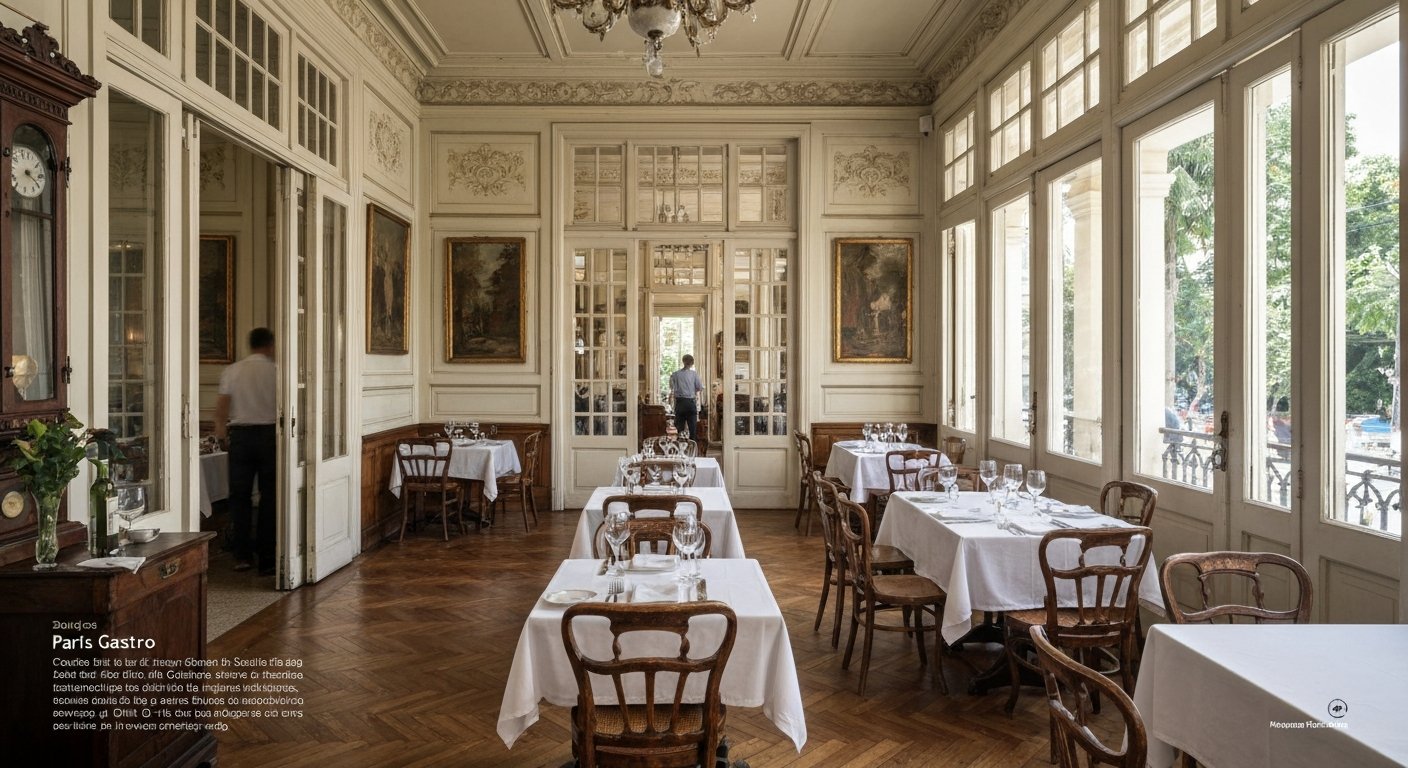
For something more polished, Paris Gastro serves French cooking inside Casa de Arte e Cultura Julieta de Serpa, the 1920 Belle Époque mansion at Praia do Flamengo 340. The food is the point, but the house is the real seduction: rooms with enough ornament to remind you that Rio once loved a little glamour before dinner. If you’re making a night of it, this is the place to do so slowly.
Flamengo also rewards the practical eater. Rotisseria Sírio-Libanesa, tucked in the Galeria Condor arcade by Largo do Machado, is beloved for good reason: kibe, esfiha and tabule for pocket change, the sort of counter that makes you feel smug for eating well without spending much. Churrascaria Majórica on Rua Senador Vergueiro is the straightforward, reliable grill when the craving is for picanha done properly. And Tacacá do Norte on Rua Barão do Flamengo brings Pará-style Amazonian food — tacacá and tucupi — into a part of Rio where that regional vocabulary still feels pleasantly unexpected. That’s Flamengo in a nutshell: old-school Rio, everyday Rio and the occasional surprise from farther north, all within a short walk or ride.
Going out
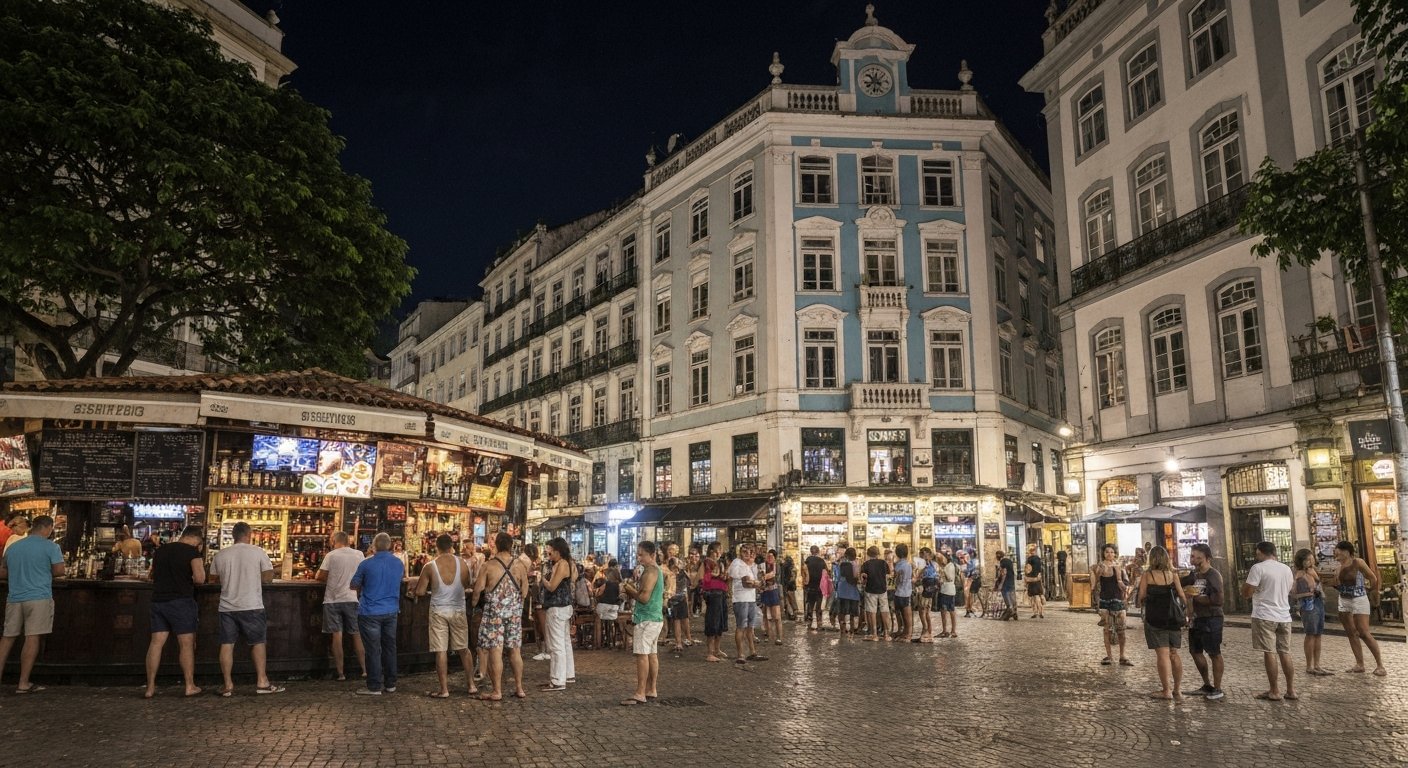
Flamengo is not a club neighbourhood and doesn’t pretend otherwise. After dark, the energy compresses into botecos, pavement tables and conversation that runs longer than the drinks. Café Lamas doubles as the default late-night address simply because it stays open past 1am and always has a table. If you want a bigger, younger scene without leaving the area entirely, head uphill to Praça São Salvador on the Flamengo–Laranjeiras border. It is a bar-ringed square that fills Thursday to Sunday with an unpretentious crowd, and the weekly rhythm gives it a welcome looseness: forró on Fridays, a samba roda on Saturday nights, free chorinho on Sunday late mornings, with caipirinha stalls keeping the party moving in between.
That square matters because it tells you how Flamengo handles nightlife: not as a destination district, but as a neighbourhood with a social spillover. People come for a few hours, then drift back to quieter streets. If you need more than that, Botafogo’s bar cluster is minutes away, and Lapa’s samba houses and clubs are a short ride down toward the centre. The upside of sleeping in Flamengo is that you can go out elsewhere and still come home to a street where the night doesn’t shout at you. That peace is part of the appeal.
Things to do / what to see
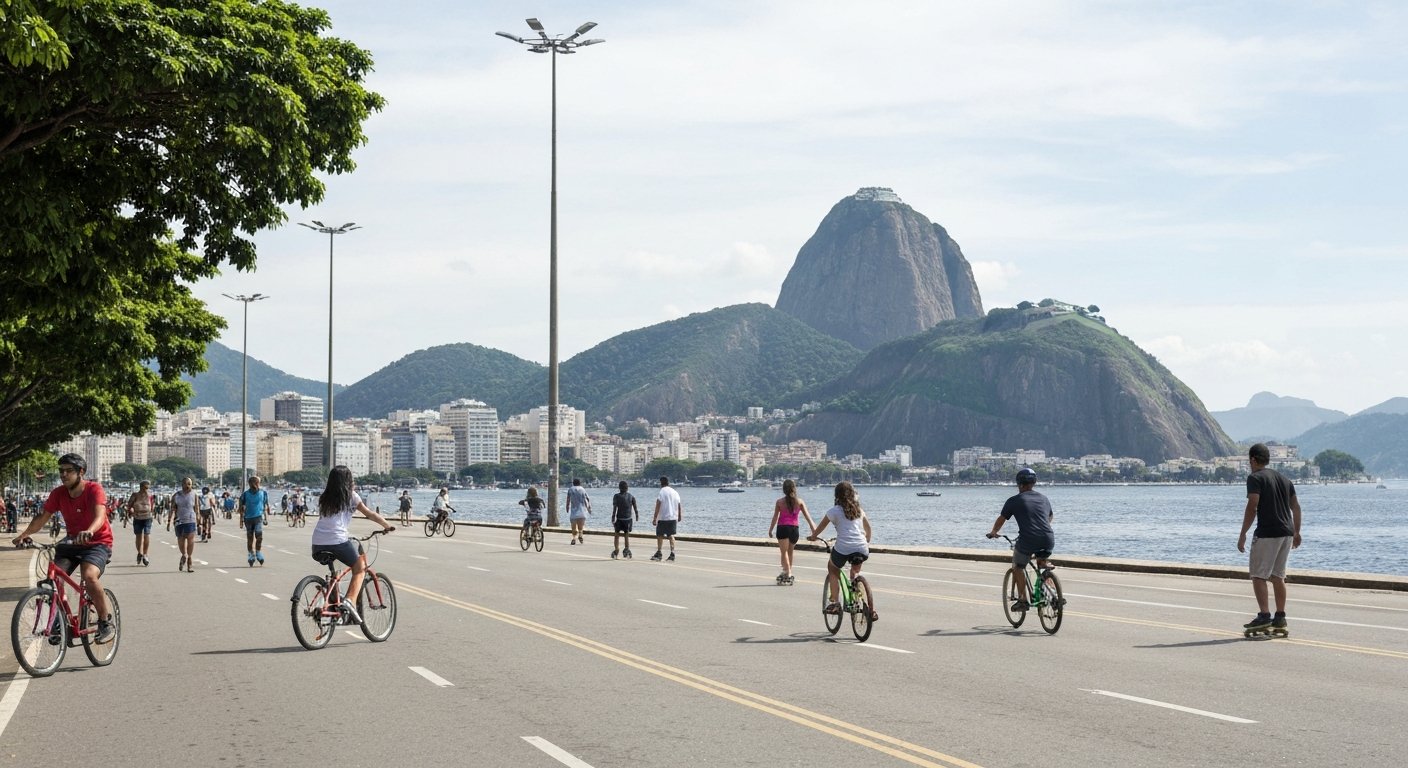
Start in the park, because everything else in Flamengo is framed by it. The Aterro do Flamengo is best on foot or by bike, especially along the flat waterfront path that runs south past Botafogo toward Urca, with Sugarloaf in view for much of the way. On Sundays and holidays, the road lanes close and the whole stretch becomes one long car-free promenade, which is when the neighbourhood reveals its truest self: families, runners, skaters, cyclists, older couples strolling without hurry, and the bay doing its broad, unshowy work beside them. This is not a beach in the open-Atlantic sense, and nobody really comes here to swim. They come to move through the city without the city getting in the way.
Inside the park, the Museu de Arte Moderna, or MAM Rio, is one of those rare museum buildings that earns its own detour. Affonso Eduardo Reidy’s raw-concrete modernist structure sits in gardens Burle Marx designed in the 1950s, and the whole ensemble has the clean, serious confidence of mid-century Rio at its best. Admission is free, though a voluntary contribution is suggested, and it is open Wednesday to Sunday, closed Mondays and Tuesdays. If you like architecture, you’ll linger. If you don’t, the setting still does the work.
Nearby, the Museu Carmen Miranda reopened in 2023 after a decade shut, bringing back the costumes, platform shoes and tutti-frutti turbans of Rio’s most famous export. It is small, specific and wonderfully Brazilian in the way it remembers a star through objects that still seem to vibrate with performance. Close by stands the Monumento aos Pracinhas, the soaring memorial and small museum to the Brazilian soldiers who fought in Italy in World War II. It rises with a solemnity that feels appropriate on the bay edge, where the city briefly stops being casual.
A short walk inland, across the far side of Largo do Machado into neighbouring Catete, the Museu da República occupies the Palácio do Catete, the former presidential palace where Getúlio Vargas died in 1954. Its free-entry garden, with a lake and grottoes, is a favourite local escape when the park feels too open or you want a quieter hour under trees. Flamengo’s charm is that the neighbourhood gives you both scales: the big civic sweep of the Aterro and the intimate relief of a garden just off the metro.
Don’t miss in Flamengo
The expansive lawns and sports courts of Flamengo Park.
The Carmen Miranda Museum, dedicated to the iconic singer.
The historic architecture of the nearby Catete Palace.
Shopping & markets
This is not the place for boutique-hopping, and honestly that’s part of the relief. Everyday shopping clusters around Largo do Machado, the busy square and metro hub where the arcade-style Galeria Condor and surrounding streets serve residents first: pharmacies, bakeries, delis, small stores, all the ordinary machinery of a working neighbourhood. Rua do Catete and Rua Marquês de Abrantes are the commercial spines, better for a butcher, a padaria or a hardware shop than for anything glossy. If you want a proper retail centre, Rio Sul sits just over the line in Botafogo, a quick metro or taxi ride away.
The more enjoyable browse is the Sunday scene at Praça São Salvador, where crafts, jewellery and home cooking spill out alongside the chorinho band. It is an easy morning if you want to wander without the choreography of a mall. The point is not to shop hard. It is to notice how Flamengo’s commerce still serves a neighbourhood that lives here full time.
Where to stay in Flamengo
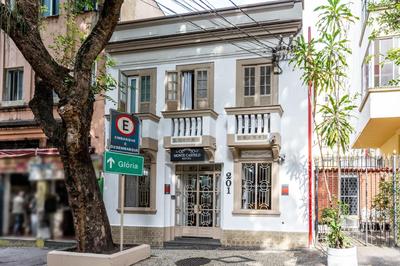
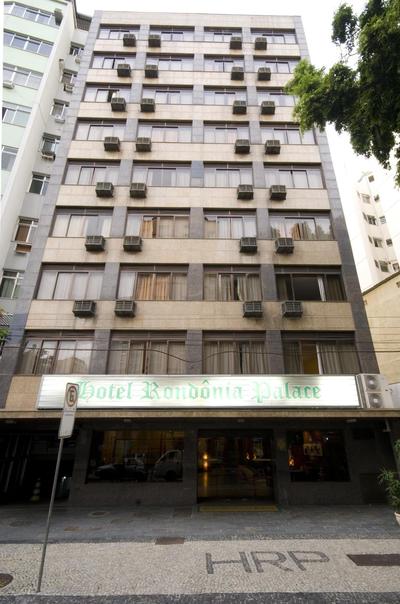
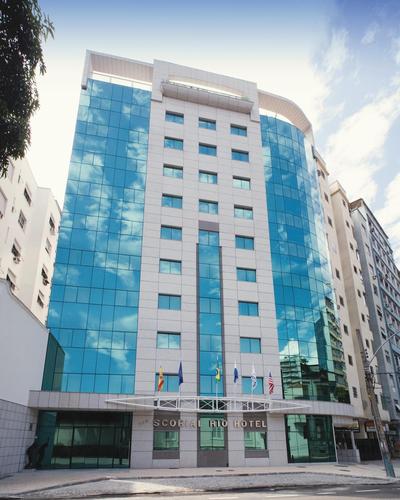
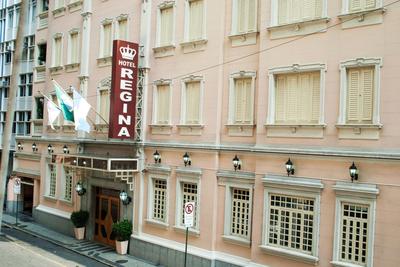
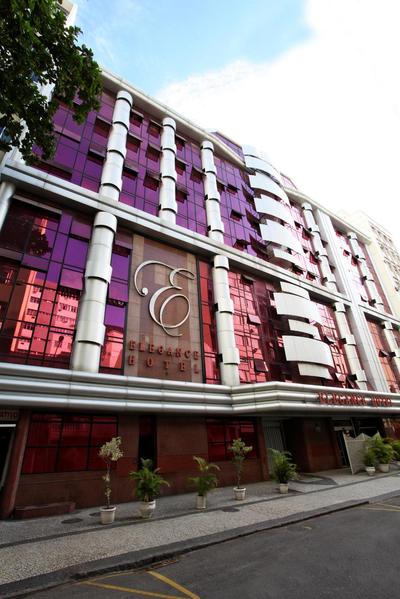
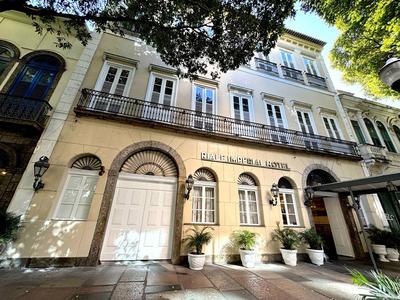
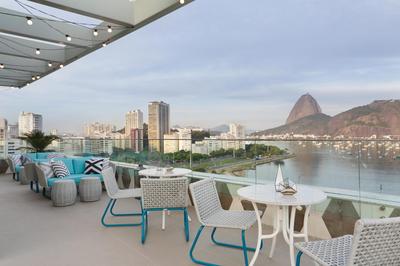
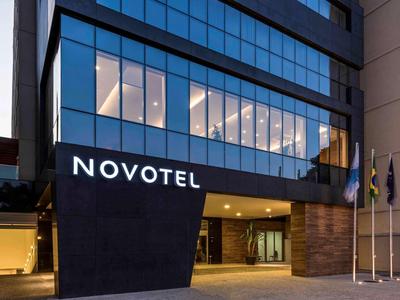
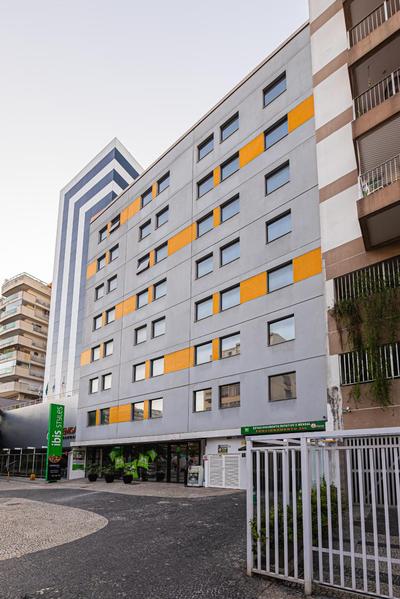
Flamengo is one of Rio’s best-value bases if you’re willing to trade beachfront fantasy for a metro card and an excellent park. Rooms run noticeably cheaper than equivalent addresses in Ipanema, Leblon or Copacabana, and the neighbourhood feels genuinely local rather than tourism-shaped. The sweet spot is the blocks between the two metro stations and the park: around Largo do Machado and toward Praia do Flamengo, where you’re close to the Aterro, the restaurants and the transit, but not stranded on the quietest, darker side streets that empty after the shops shut around 7pm.
Options here skew mid-range and budget, with small business hotels and B&Bs rather than resort towers. That suits the place. Flamengo is for travellers who want functional comfort, calm nights and fast links to the beaches and the historic centre, not a rooftop-pool scene. It also works well for couples and solo travellers who prefer to come home to a real neighbourhood after a day of museums, park time and city wandering.
Hotels in Flamengo
Our best-rated stays in this neighbourhood. Prices are approximate “from” rates — confirmed at the provider when you continue. We may earn a commission if you book through our partners — at no extra cost to you.
In this area
Flamengo
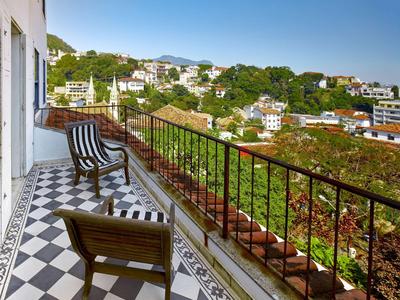
Santa Teresa Hotel Rio de Janeiro - MGallery Collection
9.6· 827 reviews
approx. from£377 / nightSee prices
In this area
In this area
In this area
In this area
In this area
In this area
In this area
In this area
Flamengo
Yoo2 Rio de Janeiro, Tapestry Collection by Hilton
9.2· 1,478 reviews
approx. from£175 / nightSee prices
In this area
In this area
Getting around
Flamengo’s biggest practical advantage is transit. Two Metrô Line 1 stations — Largo do Machado and Flamengo — make the neighbourhood unusually easy to live in and even easier to use as a base. Copacabana is a few stops away, Ipanema and Leblon are a little further via General Osório, and downtown Rio and Lapa are in the other direction, with Cinelândia reachable in well under 20 minutes. That kind of access changes how you move through the city. You don’t plan your day around distance; you just go.
The neighbourhood itself is flat and walkable, and the Aterro gives you a long uninterrupted pedestrian and cycling route south toward Botafogo and Urca, so you can jog or ride all the way to the foot of Sugarloaf. Buses run constantly along Rua do Catete and the beachfront avenue, and ride apps like Uber and 99 are cheap and everywhere. Use them after dark rather than wandering the quieter cross streets late. For Galeão international airport, allow roughly 30–45 minutes by taxi depending on traffic; Santos Dumont, handy for São Paulo shuttles, is only about 10 minutes up the bay toward the centre.
Flamengo is not the Rio of surfboards and front-row beach clubs. It is better than that if what you want is a neighbourhood that works. The park is the showpiece, but the real pleasure is in the ordinary flow around it: the metro station crowd, the old botecos, the museum stops, the evening chopp, the quiet streets after dark. It is Rio without the costume, which is often where the city becomes easiest to love.
Gallery
Flamengo in pictures
Flamengo — your questions
Is Flamengo a good area to stay in Rio de Janeiro?
Yes — especially if you care about value, park access and a local feel more than beach-club living. Flamengo is one of Rio’s best-value neighbourhoods, with two metro stations, the huge Aterro do Flamengo on the doorstep and easy rides to Copacabana, Ipanema and downtown. The trade-off is simple: the beach here fronts the bay, not the open Atlantic, and nightlife is limited at the door.
Is Flamengo safe?
It feels calm and residential by day, especially around Largo do Machado, Marquês de Abrantes, Catete and the park. As in any big city, keep to busy, lit streets at night, because the quieter cross streets empty after the shops shut around 7pm. A ride app is the smart move late.
What is there to do in Flamengo besides the park?
Quite a lot. The Aterro do Flamengo is the main draw, but you also have the free Museu de Arte Moderna, the reopened Museu Carmen Miranda, the Monumento aos Pracinhas and the Museu da República just over in Catete. Add old-school eating at Café Lamas and Boteco Belmonte, plus Praça São Salvador for music and drinks.
Does Flamengo have a beach?
It has a waterfront, but not a classic swimming beach. The shore fronts Guanabara Bay, so the real ritual here is walking, running or cycling the Aterro rather than going in the water.