
Rio De Janeiro
Rio de Janeiro operates on a unique frequency where dramatic granite peaks collide directly with the Atlantic Ocean.
Guests & rooms
The Rio De Janeiro guide
An insider’s read on Rio De Janeiro
RRio de Janeiro operates on a unique frequency where dramatic granite peaks collide directly with the Atlantic Ocean.
Rio's identity is shaped by its past as the capital of the Portuguese Empire and later the Brazilian Republic. This history left behind a legacy of grand colonial architecture in its central core, juxtaposed with the deep African roots that birthed samba in the port district. The local character, known as 'carioca', is defined by an easygoing, outdoor-centric lifestyle, a devotion to football, and a resilient, celebratory spirit that thrives despite the city's complex social and economic challenges.

PLATE IRio De Janeiro, Brazil

Guides & ideas
The Rio De Janeiro reading list
Hand-written guides from our editors — itineraries, the best of after dark, where to eat, and what’s genuinely worth your time.
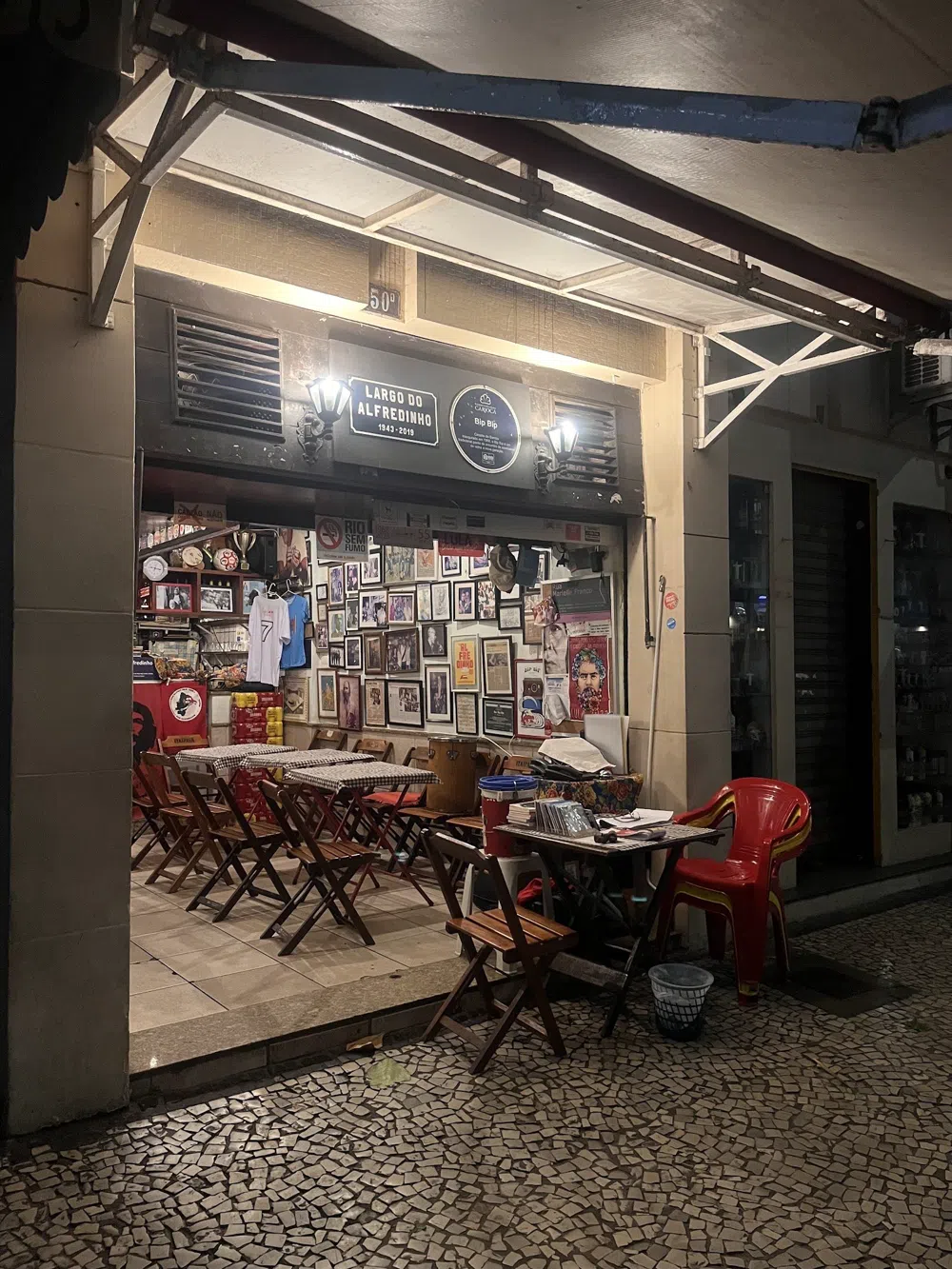
Rio's Choro Revival Is Playing Every Night of the Week
Samba gets the headlines, but Rio's older, faster instrumental music is filling bars from Copacabana to Gamboa in 2026. Here's where to actually find it.

Carnaval, Réveillon and Festa Junina Anchor Rio's Year
Rio de Janeiro's three fixed annual dates, Carnaval, Réveillon on Copacabana and Festa Junina, explained with real prices, dates and who each one actually suits.
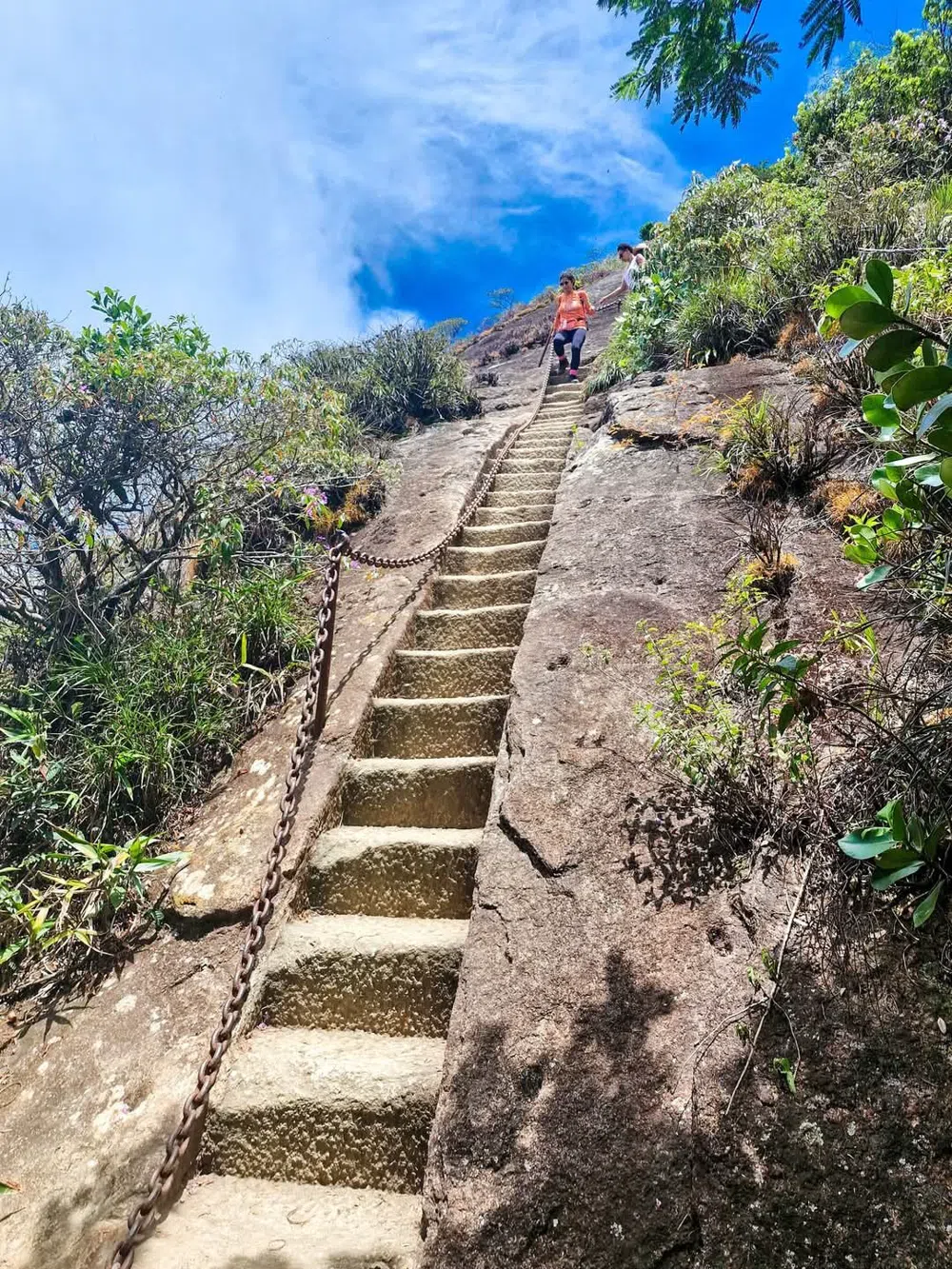
Tijuca Forest: Rio's Jungle Above the City
A practical, honest route through the rainforest that rises directly above Rio de Janeiro, from an easy summit view to the mandatory-guide climb of Pedra da Gávea.
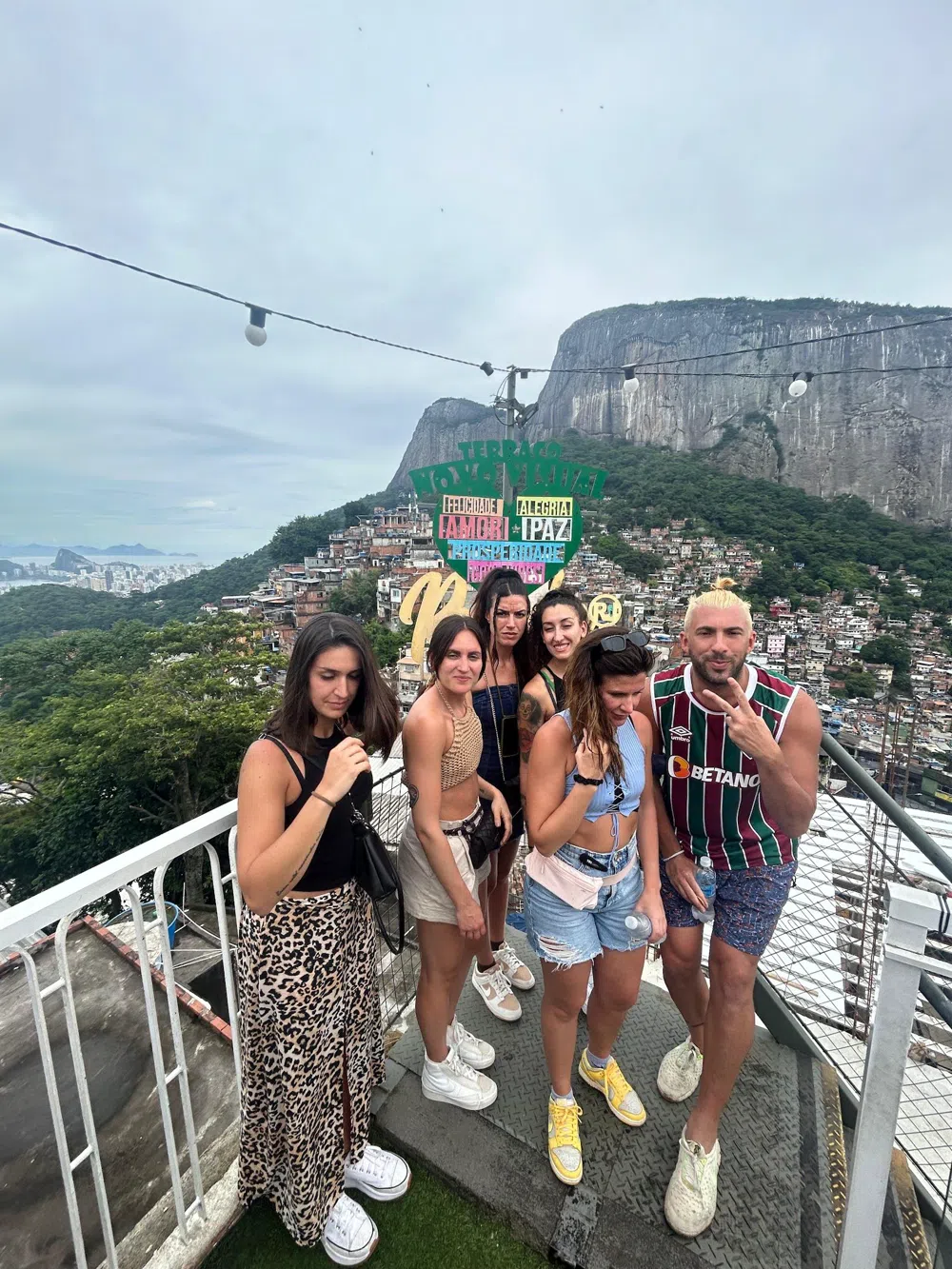
Rio's Favelas, Where Murals, Funk and Views Collide
A resident-led route through the hillside communities that shaped Rio's art, music and skyline — from the birthplace of the word 'favela' to a rooftop bar with the best sunset in the city.

The Republic of Sand: How Rio's Beaches Became Its Only True Democracy
In a city divided by hills and income, the beach is the one address where everyone holds an equal claim — a guide to Rio's democratic shoreline, from Arpoador's sunset to Prainha's wild break.

The Maracanã Match-Day Ritual: A Local's Guide to Game Day in Rio
The match is only the centre of the afternoon — here is how to spend a Maracanã game day like a Carioca, from the tiled boteco to the samba hall next door.
Where to base yourself
The neighborhoods
01
Ipanema
For Suits travelers seeking a safe, beach-centric stay with excellent dining options. The trade-off is high accommodation costs and crowded sands on weekends.
An upscale, trendsetting coastal neighborhood with a famous beach divided by numbered postos (lifeguard towers). It features high-end boutiques, modern dining, and a relaxed, active street life.
Where to stay — Focus on boutique hotels and luxury properties located within three blocks of the beach.
02
Copacabana
For Ideal for those who want to be in the center of the action and prefer classic mid-century architecture. The trade-off is persistent beach hustlers and a noisier environment.
A historic, high-density neighborhood famous for its crescent-shaped beach and black-and-white wave-patterned boardwalk. It is energetic, slightly gritty, and filled with traditional bars.
Where to stay — Choose from the numerous mid-range high-rise hotels lining the Avenida Atlântica beachfront.
03
Leblon
For Perfect for luxury travelers and families seeking safety and quiet. The trade-off is the highest real estate and dining prices in the city.
The most exclusive and affluent neighborhood in the city, characterized by quiet, tree-lined streets, high-end gastronomy, and a sophisticated, low-key beach crowd.
Where to stay — Look for high-end boutique hotels or luxury apartment rentals near the beach.
04
Santa Teresa
For Suits artists, writers, and those looking for a historic, creative vibe. The trade-off is steep hills, limited public transit, and safety concerns on quiet streets at night.
A bohemian hilltop enclave filled with crumbling 19th-century mansions, art studios, and winding cobblestone streets. It has a distinct village-like atmosphere.
Where to stay — Opt for historic guest houses (pousadas) or boutique heritage hotels.
05
Lapa
For Perfect for budget travelers and nightlife enthusiasts. The trade-off is a gritty street scene, heavy noise, and a high risk of petty theft.
The nightlife heart of the city, famous for the white Arcos da Lapa (aqueduct), street parties, and historic live music venues. It is chaotic, loud, and intensely energetic.
Where to stay — Stick to budget hotels or hostels located close to the main metro stations.
06
Botafogo
For Suits foodies, hipsters, and independent travelers. The trade-off is heavy traffic congestion and a beach that is unsuitable for swimming.
A trendy, youthful neighborhood known as the city's culinary and creative laboratory. It features indie bars, experimental restaurants, and views of Sugarloaf Mountain.
Where to stay — Look for modern design hotels and social hostels near the Voluntários da Pátria street.
07
Urca
For Ideal for travelers seeking absolute safety and tranquility. The trade-off is the lack of a metro station and a very quiet nightlife scene.
A peaceful, highly secure residential peninsula located at the foot of Sugarloaf Mountain. It features quiet streets, low-rise colonial-style houses, and a small-town feel.
Where to stay — Accommodation is limited mostly to small guesthouses and private apartment rentals.
08
Centro
For Suits history buffs and business travelers. The trade-off is that the area becomes deserted and unsafe after business hours and on weekends.
The historic and financial core of the city, where modern office towers stand next to imperial churches and narrow colonial alleys. It is busy by day and quiet by night.
Where to stay — Choose business-oriented hotels near the major avenues like Avenida Rio Branco.
09
Flamengo
For Suits slow travelers and outdoor enthusiasts who want easy access to green spaces. The trade-off is that it is further from the ocean beaches.
A relaxed, residential neighborhood dominated by the massive Flamengo Park, designed by Roberto Burle Marx. It offers a local, non-touristy atmosphere with views of the bay.
Where to stay — Look for traditional mid-range hotels near the Flamengo metro station.
Book direct
Book a hotel in Rio De Janeiro
Loading live availability and real-time prices…
Where to eat
Dining
Satyricon
€€€€Ipanema
Famous for its Mediterranean-style seafood display where guests select their fish from an ice counter.
Signature — Salt-baked whole sea bass
Sobrenatural
€€Santa Teresa
A rustic, art-filled tavern serving authentic Bahian-style seafood stews in a bohemian setting.
Signature — Fish and shrimp moqueca
Bira de Guaratiba
€€€Barra de Guaratiba
An open-air restaurant perched in the forest canopy, offering exceptional seafood worth the long drive from the center.
Signature — Seafood rice with crab and shrimp
Escama
€€€Jardim Botânico
A contemporary seafood bistro focusing on sustainable, locally sourced fish prepared with modern techniques.
Signature — Grilled octopus with smoked paprika oil
Peixaria Guimas
€€Gávea
A classic bohemian bistro popular with artists, serving traditional seafood dishes in a lively atmosphere.
Signature — Coconut milk shrimp stew served in a pumpkin
Margutta
€€€Ipanema
An elegant Italian-inflected seafood restaurant known for its refined preparation of fresh local catch.
Signature — Seafood risotto with saffron
Churrascaria Palace
€€€Copacabana
An iconic Art Deco rodízio steakhouse operating since the 1950s, famous for its historic Bossa Nova mural.
Signature — Butterfly-cut picanha (prime sirloin cap)
Marius Degustare
€€€€Leme
An eccentric, maritime-themed restaurant offering an over-the-top rodízio of premium meats and seafood.
Signature — Grilled rock lobster and prime rib
Braseiro da Gávea
€€Gávea
A lively, no-nonsense neighborhood joint famous for its charcoal-grilled meats and social street-side tables.
Signature — Picanha fatiada with broccoli rice and garlic
Majórica
€€Flamengo
A traditional, family-run steakhouse featuring a massive open charcoal grill visible from the dining room.
Signature — T-bone steak cooked over natural charcoal
Filé de Ouro
€€Jardim Botânico
A simple, traditional eatery famous for serving one of the city's best versions of a classic garlic-heavy steak dish.
Signature — Filé Oswaldo Aranha (garlic steak with farofa)
Fogo de Chão
€€€Botafogo
A high-end rodízio chain offering premium cuts of meat alongside views of Guanabara Bay.
Signature — Slow-roasted beef ribs
Bar do Mineiro
€Santa Teresa
A legendary, tile-walled tavern famous for its rich, slow-cooked black bean stew and bohemian crowd.
Signature — Saturday feijoada
Bar Urca
€Urca
A historic bar where patrons order snacks at the counter and sit on the stone seawall across the street.
Signature — Codfish pastéis (savory pastries)
Adega Pérola
€€Copacabana
A Portuguese-style tavern featuring a massive glass counter filled with over sixty varieties of cold tapas.
Signature — Marinated octopus salad
Bar do David
€Chapéu Mangueira
An award-winning favela-based boteco serving highly creative, modern twists on traditional bar snacks.
Signature — Crispy pork ribs with pineapple jelly
Bar Bracarense
€Leblon
A neighborhood institution known for serving some of the coldest draft beer in the city alongside classic fried snacks.
Signature — Bolinho de bacalhau (codfish croquette)
Cervantes
€Copacabana
A late-night institution famous for its heavy, meat-packed sandwiches topped with a thick slice of fresh pineapple.
Signature — Pernil (pork leg) and pineapple sandwich
Lasai
€€€€Botafogo
A Michelin-starred restaurant where the daily changing tasting menu is built around vegetables grown in the chef's private gardens.
Signature — Seasonal vegetable-forward tasting menu
Oteque
€€€€Botafogo
An elegant, minimalist space offering a highly refined, seafood-centric tasting menu by chef Alberto Landgraf.
Signature — Marinated bluefin tuna with pine nuts and caviar
Oro
€€€€Leblon
An avant-garde dining room where chef Felipe Bronze uses fire and modernist techniques to reinterpret Brazilian street food.
Signature — Creativity tasting menu cooked over open embers
Mee
€€€€Copacabana Palace
An upscale Pan-Asian restaurant offering sophisticated sushi and a curated sake selection inside the historic Copacabana Palace.
Signature — Chef's selection omakase
Sud, o Pássaro Verde
€€€Jardim Botânico
A cozy, residential-style kitchen where chef Roberta Sudbrack serves rustic, ingredient-focused dishes cooked in a wood-fired oven.
Signature — Wood-fired okra with lardo
Confeitaria Colombo
€Centro
A grand, Belle Époque cafe featuring massive Belgian mirrors and stained glass, serving traditional Portuguese pastries.
Signature — Pastel de nata (egg tart)
Tacacá do Norte
€Flamengo
A simple counter shop specializing in authentic Amazonian ingredients, including pure, unsweetened wild açaí.
Signature — Tacacá (numbing Amazonian soup)
Galeto Sat's
€Copacabana
A legendary late-night spot famous for its charcoal-grilled spring chicken and cold beer, open until the early morning hours.
Signature — Galeto (grilled spring chicken) with garlic sauce
Bibi Sucos
€Ipanema
A classic carioca juice bar chain offering a massive menu of fresh tropical fruit juices and quick meals.
Signature — Açaí bowl with granola and banana
Rotisseria Sírio Libanesa
€Catete
A busy, no-frills Middle Eastern counter tucked inside a historic shopping arcade, serving excellent savory snacks.
Signature — Esfiha de carne (spiced beef flatbread)
Cultivar
€Santa Teresa
A small, health-conscious cafe known for serving high-quality organic snacks and traditional cheese breads.
Signature — Pão de queijo (Brazilian cheese bread)
Prana Vegetariano
€€Jardim Botânico
A creative vegetarian restaurant serving colorful, gourmet lunch plates in a bright, garden-like setting.
Signature — Plant-based burger on brioche with sweet potato fries
Spazziano
€€Ipanema
An organic vegetarian buffet located inside a wellness center, focusing on raw foods and clean eating.
Signature — Raw zucchini pasta with cashew pesto
Bardana
€Centro
A busy weekday lunch spot offering a diverse vegetarian buffet catering to the downtown office crowd.
Signature — Seasonal vegetable quiche
Dona Vegana
€Centro
A 100% vegan bakery and lunch spot serving plant-based versions of traditional Brazilian pastries.
Signature — Vegan coxinha (jackfruit croquette)
After dark
Nightlife
Circo Voador
Lapa
An iconic, open-air concert venue under a white tent, hosting the country's best independent bands and legendary artists.
Fundição Progresso
Lapa
A massive cultural center and music venue housed in a former iron foundry, hosting major concerts and Carnival rehearsals.
Fosfobox
Copacabana
An intimate, underground basement club known for electronic music, indie rock, and hip-hop nights.
New Mariuzinn
Copacabana
A long-running, late-night club popular with international travelers and locals looking for pop and reggaeton.
Portal Club
Lapa
A dynamic LGBTQ+ friendly club hosting themed pop, funk, and electronic dance parties.
Boiler Rio
Centro
A multi-story electronic music venue located in a renovated historic building, featuring top local DJs.
Isabel Lounge
Copacabana
A chic rooftop bar on the 39th floor of the Hilton, offering unobstructed views of the entire Copacabana beach.
Explorer Bar
Santa Teresa
A creative cocktail bar set in a historic Victorian house, known for its inventive mixology and global small plates.
Nosso
Ipanema
A multi-story cocktail bar and restaurant featuring some of the city's most innovative and award-winning mixology.
Liz Cocktails & Co.
Leblon
An intimate, classic cocktail den with expert bartenders who customize drinks based on guest preferences.
Rio Scenarium
Lapa
A spectacular, three-story antique warehouse turned live music venue, featuring multiple stages of samba and choro.
Beco das Garrafas
Copacabana
The historic alleyway and intimate club where Bossa Nova was born in the late 1950s, still hosting nightly jazz.
Carioca da Gema
Lapa
A traditional samba bar housed in a restored historic mansion, popular for its high-quality live bands and dance floor.
Pedra do Sal
Saúde
The historic, open-air birthplace of urban samba, hosting legendary street-side live music circles every Monday and Friday.
Clube dos Democráticos
Lapa
A traditional, high-ceilinged ballroom founded in the 19th century, hosting authentic samba and traditional partner dancing.
Art & history
Culture
Museu do Amanhã (Museum of Tomorrow)
Centro
A futuristic science museum designed by Santiago Calatrava, focusing on sustainability and the future of the planet.
Museu de Arte do Rio (MAR)
Centro
An art museum housed in a connected palace and modernist building, dedicated to the history and culture of Rio de Janeiro.
Museu de Arte Moderna (MAM)
Flamengo
A striking modernist concrete building designed by Affonso Eduardo Reidy, housing a significant collection of avant-garde art.
Museu da República
Catete
Housed in the former presidential palace where President Getúlio Vargas died, offering a deep dive into Brazil's political history.
Museu de Arte Contemporânea (MAC)
Niterói
An iconic, saucer-shaped building designed by Oscar Niemeyer, located across the bay and housing contemporary Brazilian art.
Christ the Redeemer (Cristo Redentor)
Corcovado
The iconic Art Deco statue of Jesus Christ standing atop the Corcovado mountain, offering panoramic views of the city.
Sugarloaf Mountain (Pão de Açúcar)
Urca
A massive granite peak rising directly from the water, accessible via a two-stage glass cable car system.
Real Gabinete Português de Leitura
Centro
A breathtaking, 19th-century neo-Manueline library featuring floor-to-ceiling wooden bookshelves and a stained-glass dome.
Catedral Metropolitana de São Sebastião
Centro
A unique, brutalist cathedral shaped like a Mayan pyramid, featuring four massive floor-to-ceiling stained-glass windows.
Mosteiro de São Bento
Centro
A 17th-century Benedictine monastery with a simple exterior that hides a breathtaking, gold-leaf baroque interior.
Parque Lage
Jardim Botânico
A historic mansion featuring an interior pool courtyard, set against the dramatic backdrop of Corcovado mountain.
A Gentil Carioca
Centro
An influential contemporary art gallery founded by artists, housed in a historic townhouse in the downtown district.
Galeria Nara Roesler
Ipanema
One of Brazil's leading contemporary art galleries, representing major established and mid-career artists.
Galeria de Arte Ipanema
Ipanema
A historic gallery founded in the 1960s, focusing on modern Brazilian masters and concrete art.
Anita Schwartz Galeria de Arte
Gávea
A striking, custom-built three-story contemporary art space featuring a container gallery on the terrace.
Carpintaria
Jardim Botânico
The Rio space of the prominent Fortes D'Aloia & Gabriel gallery, housed in a renovated carpentry workshop.
Centro Cultural Banco do Brasil (CCBB)
Centro
A massive cultural center housed in a grand neoclassical building, hosting major international art exhibitions.
Book ahead
Top-rated experiences in Rio De Janeiro

Half Day Hiking Tour Morro Dois Irmaos and Favela Vidigal
from $58

From the Past to the Present: A Historical Walking Tour of Rio
from $59

Tijuca National Park and all its wonders
from $69

Private customized Tour of Rio de Janeiro
from $140

Half Day Hiking to the Top of Sugarloaf Mountain
from $55

Rio Favela Tour
from $35

Walking tour of the bohemian neighborhoods of Santa Teresa and Lapa
from $71

Live an experience in the Rocinha Favela.
from $60
Prices from Viator; we may earn a commission when you book — at no extra cost to you. Tours are sold and operated by Viator, the merchant of record. Ratings are collected by Viator and Tripadvisor.
Timing
When to visit
Summer (December to March)
Characterized by high temperatures, intense humidity, and frequent afternoon rain showers. This is the peak tourist season, culminating in the massive crowds and inflated prices of Carnival.
Autumn (April to June)
Offers mild temperatures, clear skies, and significantly less rainfall. Ideal for hiking the coastal peaks and enjoying the beaches without the summer crowds.
Winter (July to August)
The coolest period of the year, with daytime temperatures often hovering around comfortable levels. Excellent for cultural sightseeing, though ocean waters can be chilly.
Spring (September to November)
A pleasant transitional phase with warming temperatures and moderate rainfall. The city is relatively quiet, making it easier to secure reservations and accommodation.
What it costs
Budgeting
Logistics
Getting around
From the airport
From Galeão International Airport (GIG), located north of the city, registered blue executive taxis or rideshares like Uber are the safest and most reliable options. Santos Dumont Airport (SDU) handles domestic flights and is centrally located, making it easy to reach southern neighborhoods via rideshare or the VLT light rail.
Public transit
The MetroRio is clean, air-conditioned, safe, and highly efficient for traveling between the South Zone (Zona Sul) and the historic center (Centro). The municipal bus network is extensive and fast, but can be difficult for newcomers to navigate and is prone to security issues after dark.
Passes & tickets
The Giro MetrôRio card is a rechargeable transit card available at all metro stations. It requires a small deposit and can be topped up with cash or cards to simplify fare payments.
On foot
Neighborhoods like Ipanema, Copacabana, and Leblon are highly walkable with flat terrain and wide beachside promenades. The historic center is walkable during weekday business hours but becomes deserted and unsafe on weekends. Santa Teresa's steep, winding streets are best navigated by taxi or the historic tram.
Travel smart
Safety & etiquette
Local etiquette
- •Beachwear is strictly for the sand; cover up with a shirt and shorts before entering restaurants, shops, or public transit.
- •A 10% service charge is almost always included in restaurant bills; rounding up the change is appreciated but not mandatory.
- •Do not take photos of residents in favelas without explicit permission.
From the ground
Practical tips
1
Download the 99 or Uber app before arriving, as rideshares are safer and cheaper than hailing random street taxis at night.
2
Buy a Giro MetroRio card at any station to avoid long ticket lines during peak hours and major events.
3
Never leave your belongings unattended on the beach, even for a quick swim; ask a neighbor to watch them or take turns.
4
Avoid walking around the historic center (Centro) on Sundays, as the streets become empty and unsafe.
5
Carry a small amount of cash in local currency (Reais) for beach vendors, as some may not accept cards.
6
Use the official pre-paid taxi counters inside the airport terminals rather than accepting rides from drivers waiting in the arrivals hall.
Rio De Janeiro FAQs
Is Rio safe for tourists?
Yes, if you take basic precautions. Stick to tourist-friendly neighborhoods like Ipanema and Copacabana, avoid carrying visible valuables, and use rideshares at night.
When is the best time to visit for Carnival?
Carnival takes place in February or early March. You must book accommodation and Sambadrome tickets several months in advance to secure spots.
Do I need to speak Portuguese?
English is spoken in high-end hotels and restaurants, but basic Portuguese phrases are highly useful for interacting with taxi drivers, beach vendors, and local shops.
Can you swim in the ocean in Rio?
Yes, the waters at Copacabana and Ipanema are popular for swimming, but watch out for strong undertows and check local water quality reports before jumping in.
How do I visit a favela responsibly?
Choose community-led walking tours that directly benefit local social projects, avoiding exploitative jeep-style tours.