
Every guidebook chapter on Rio nightlife leads with samba, and most of them stop there, as though the city's musical instinct began and ended with a drum section. Spend an evening in the right back-room bar in Lapa, Santa Teresa or Copacabana, though, and you'll find something quieter and technically fiercer underway: choro, the instrumental music that predates samba by decades, built on mandolin, seven-string guitar and a clarinet running circles around the melody. It never disappeared, but 2026 finds it busier than it has been in years, with rodas (informal jam circles where musicians trade solos) filling rooms that used to sit half-empty on weeknights.
The big rooms where Lapa goes to watch choro done properly
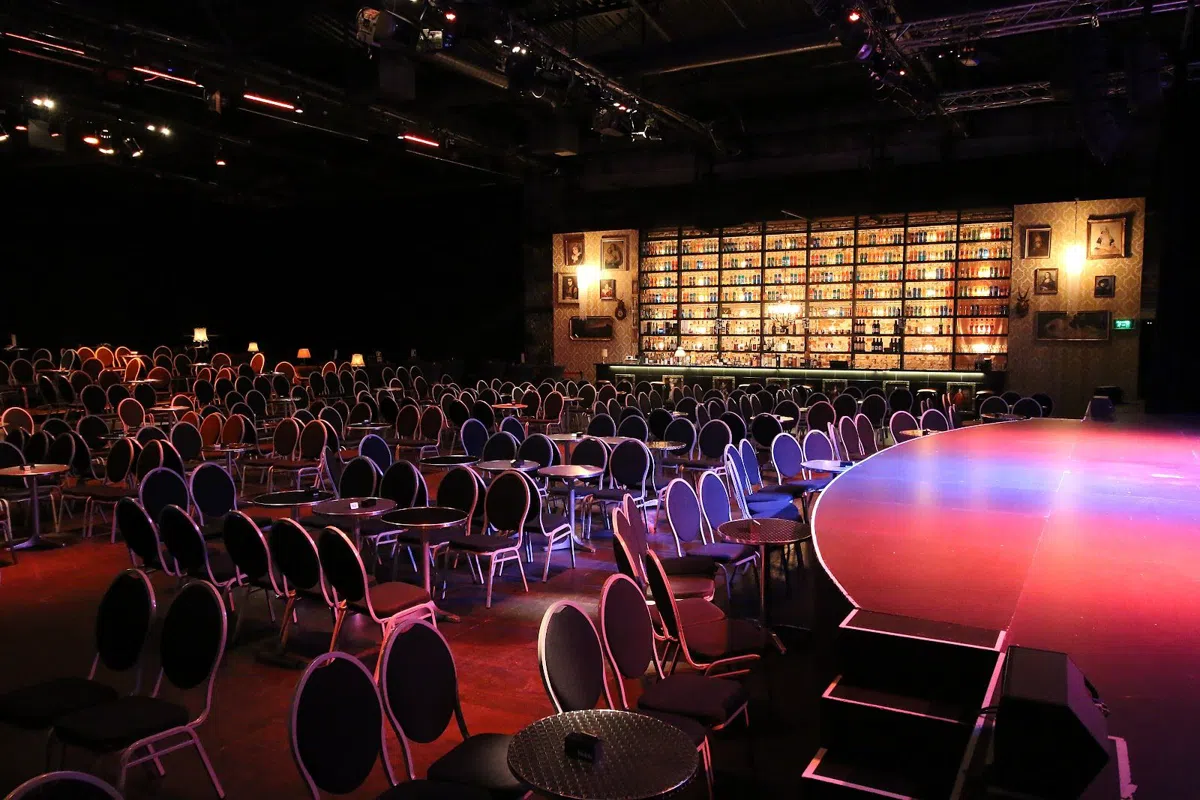
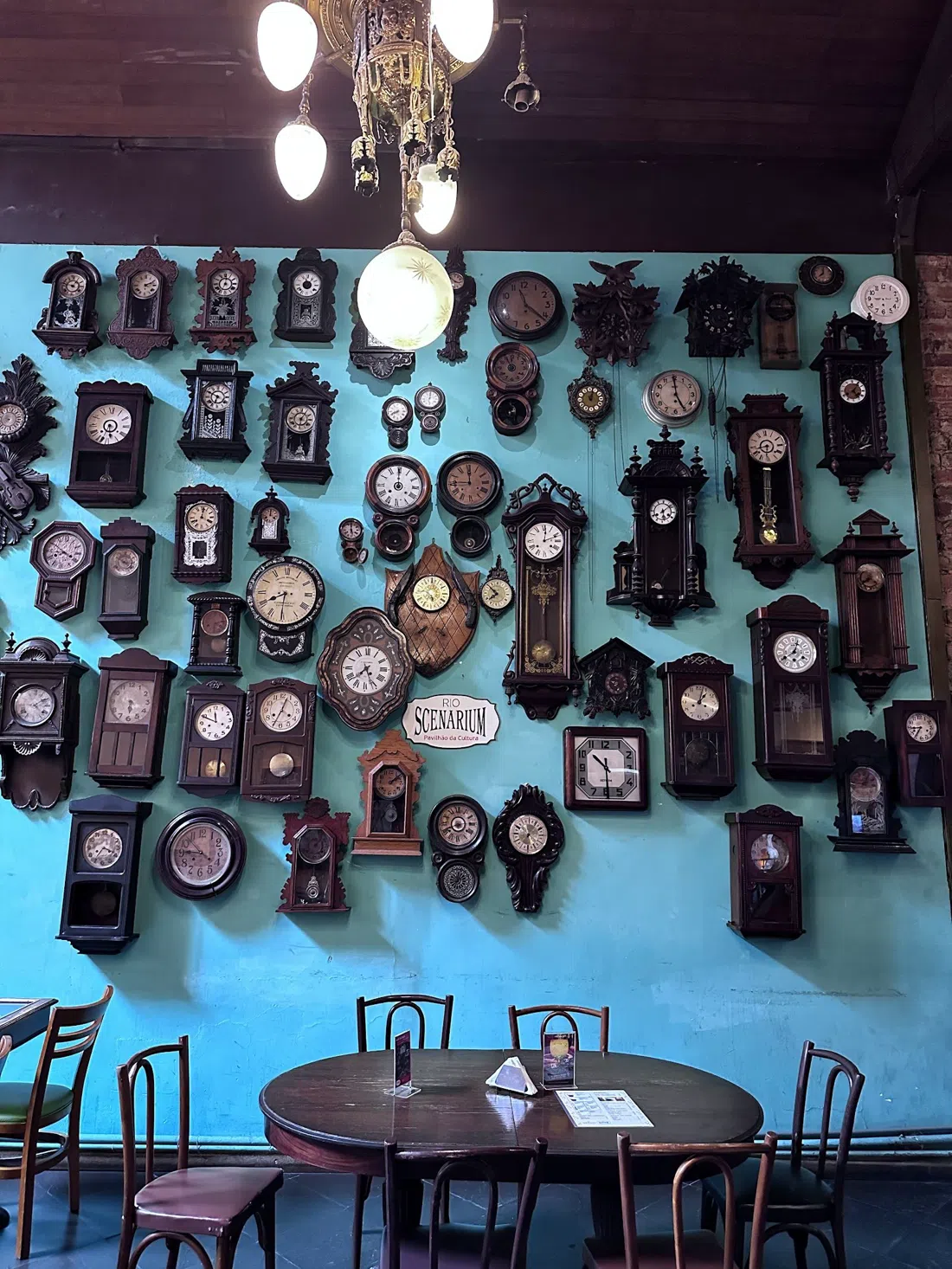
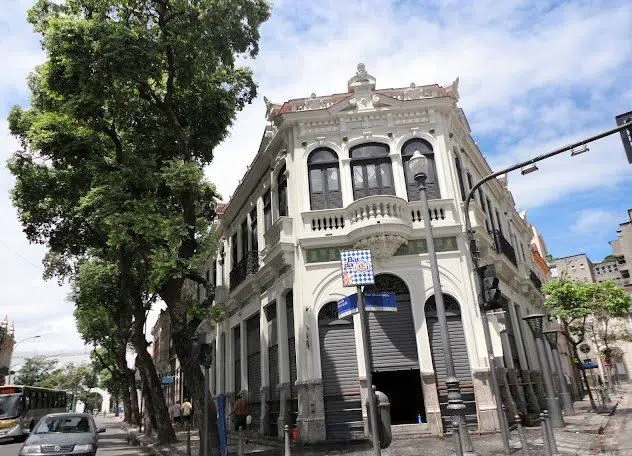
Lapa's reputation runs on volume and spectacle, and the neighbourhood's grandest choro address plays to that. Rio Scenarium (Centro, on the edge of Lapa) occupies a converted three-storey antiques warehouse hung with mirrors, mannequins and stage props, and it is the polished, Michelin-guide-friendly end of the genre, bigger and more theatrical than anything else on this list, and the one venue here that actively courts tour groups. Cover runs R$30-90 depending on who's booked, and buying tickets online in advance is worth the small hassle: the door queue on a Friday can eat half an hour you'd rather spend inside. It's the right first stop for anyone who wants a sense of the genre's range, choro shading into samba, full horn sections, a room built for watching rather than squeezing in.
Carioca da Gema, a few streets over in Lapa proper, plays it straighter. It's the most consistent room in the district for an actual choro or samba set most nights of the week, and considerably less chaotic than the street performers and beer stalls outside its door. Tables go on a first-come basis unless you call ahead (the bar takes phone bookings for groups), and arriving before 10pm is the difference between a seat and a spot against the wall. Cover is a flat R$30.
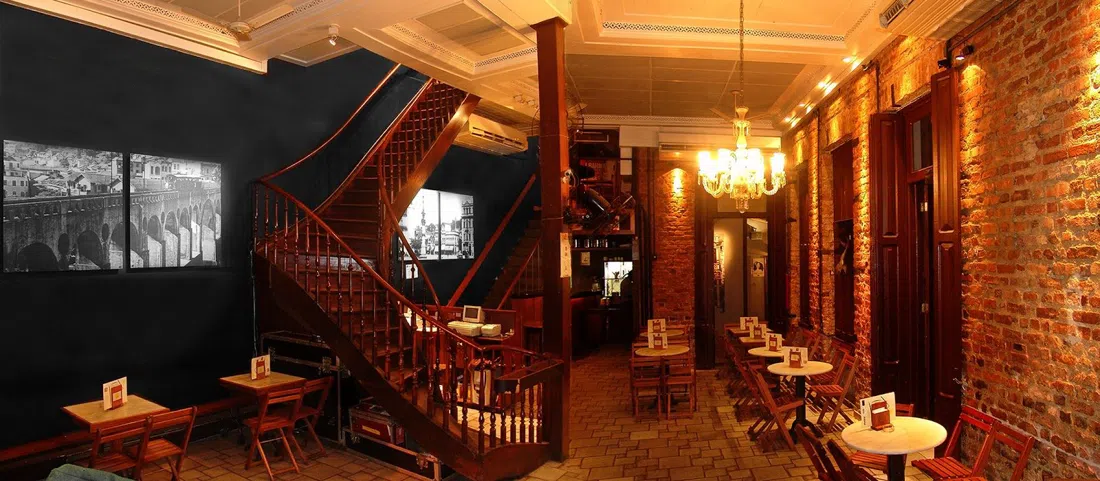
Estrela da Lapa, also in Lapa, rounds out the district's mansion-sized venues, though it's worth flagging as a secondary pick rather than the purist's stop. Choro shares the bill here with blues and black-music nights, so which night you show up on matters more than at Scenarium or Carioca da Gema. It's ticketed at the door, cover varies by programme, and groups are welcome. Check the week's lineup before committing if choro specifically is what you're after.
A Copacabana institution too small to compromise
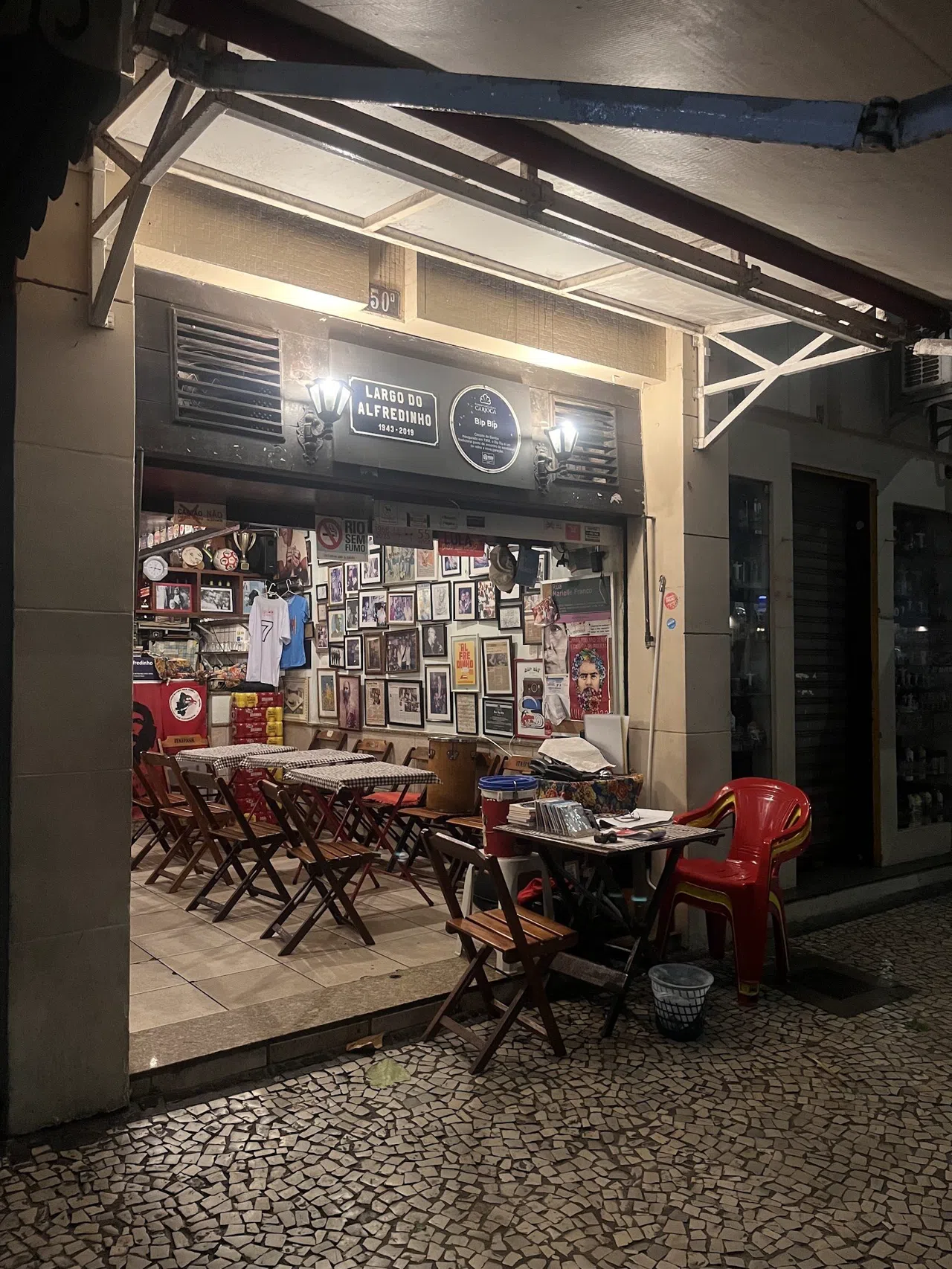
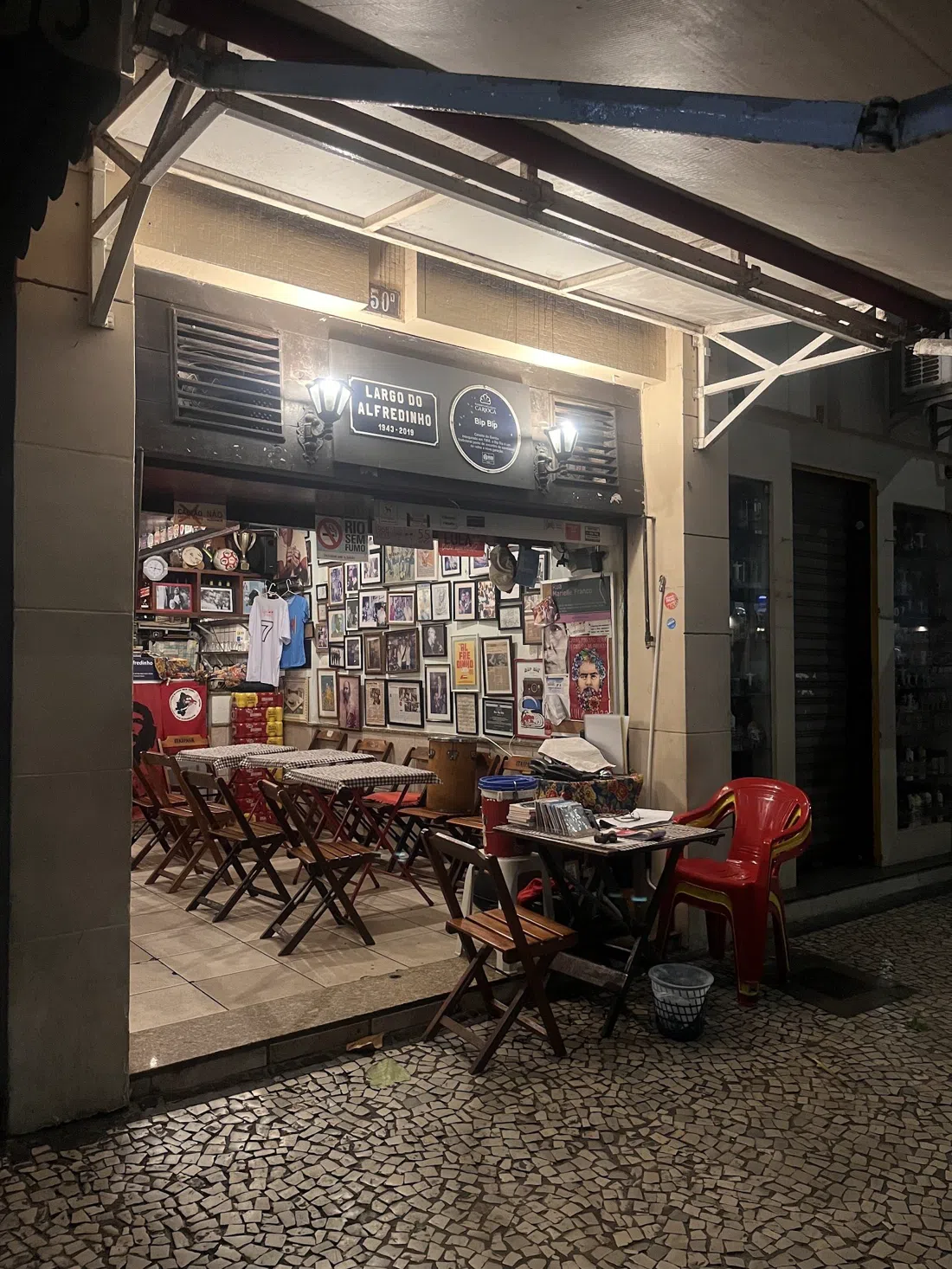
Away from Lapa's density, Bip Bip in Copacabana does the opposite of Rio Scenarium's showmanship. It's a 1968 institution that has resisted every incentive to expand: no reservations, no cover, no amplification, and a room so small that a party of five will be watching from the pavement through the doorway. Monday nights from around 8pm bring an unamplified, genuinely acoustic choro roda that regulars will tell you is as close to the source as Rio nightlife gets. It suits two to four people who can turn up early and stand if the chairs are gone; it does not suit a booked-ahead group of ten, and there's no way to make it do so. Drinks are cash-friendly and the till is informal, so bring small notes.
The room built to explain why any of this matters
Most of the venues on this list play choro among other things. Casa do Choro, in Centro, exists specifically to preserve and teach it, part museum, part school, part concert hall, and the closest thing the genre has to an institutional home. Its 2026 season includes dedicated programming such as Choro Carioca: Música do Brasil, with tickets for some events sold through Sympla and others free, and the calendar suits an organised visit far better than a spontaneous one, so check what's on and book ahead rather than showing up hoping. For a traveller who wants the why-this-matters answer rather than just the party, this is the one stop that gives it to you directly, with context most bars won't offer between sets.
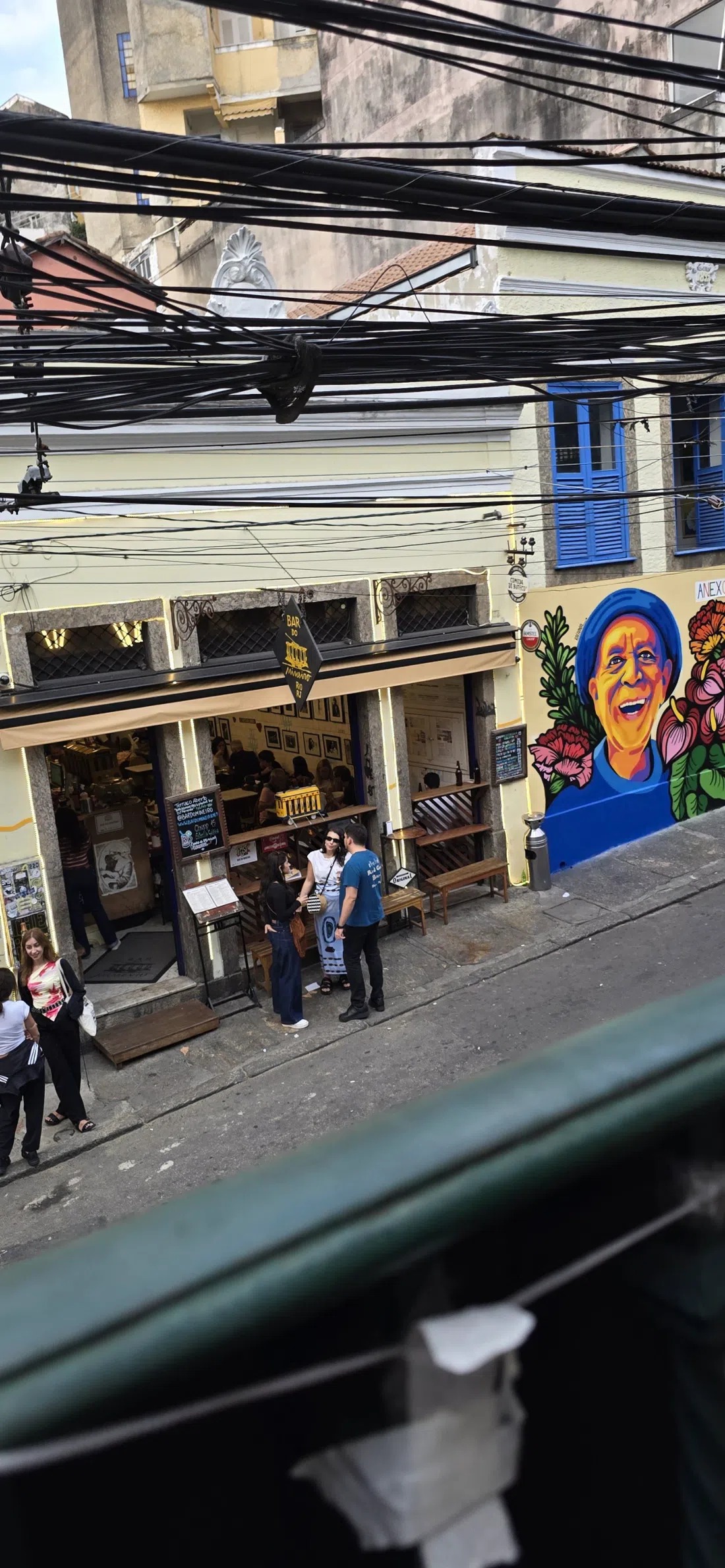
A Monday roda in Santa Teresa
Bar do Mineiro, a long-standing botequim on Santa Teresa's main strip, runs a choro roda every Monday from 8pm built around the Pixinguinha and Jacob do Bandolim songbook (two of the composers who effectively wrote the genre's standard repertoire). It's popular with the walking-tour groups that pass through Santa Teresa by day, which means arriving early for the Monday roda matters if you want a table rather than a spot at the bar. The feijoada is worth ordering alongside the music; pair the two and you have a full evening, or fold it into a Santa Teresa afternoon of tram rides and hillside views before the music starts at dusk.
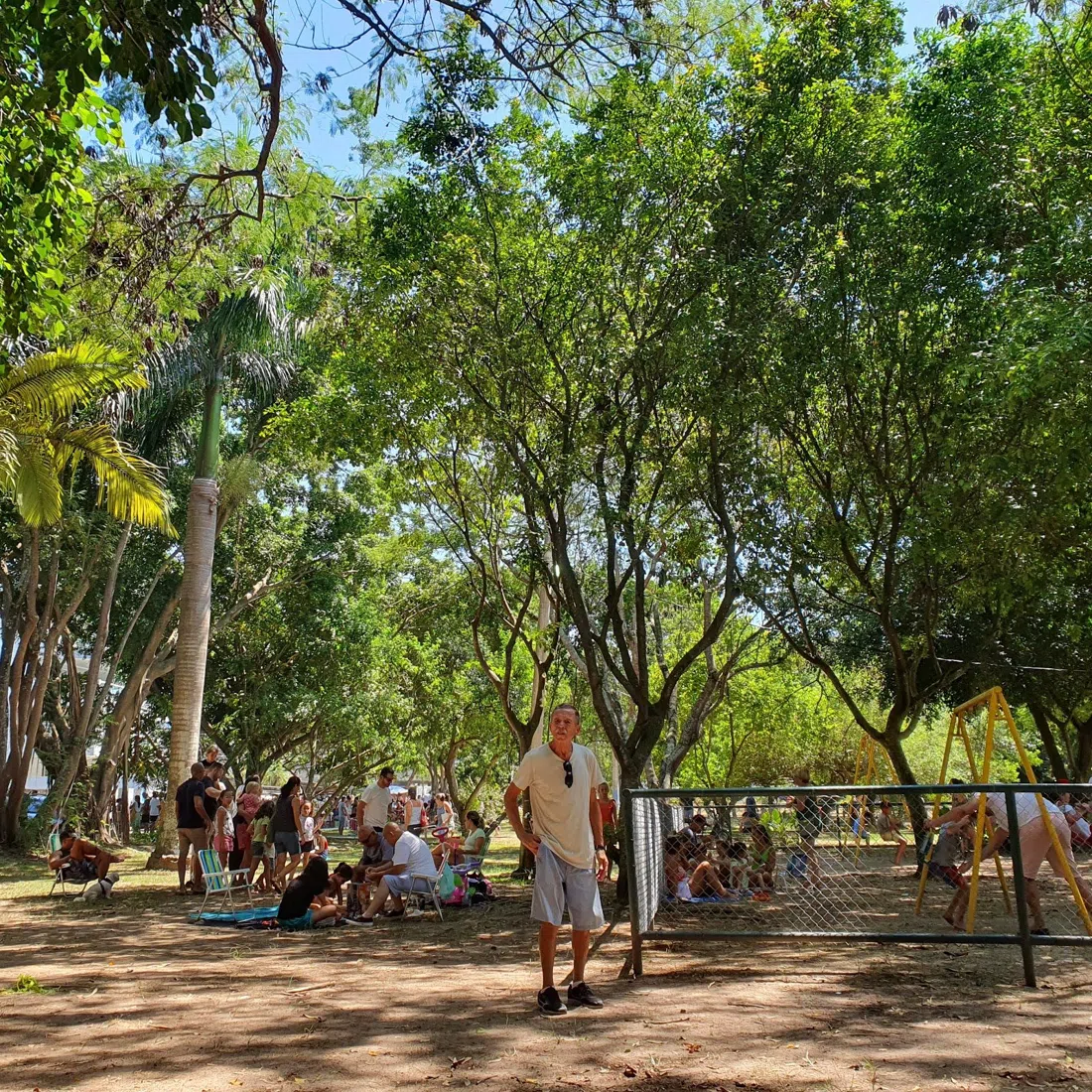
Sunday morning in the open air costs nothing
The most genuinely public entry on this list is also the most fragile in one sense and the most durable in another. Roda de Choro Arruma o Coreto, held each week at Praça XV in Centro, has run every Sunday from 11am to 2pm since 2007 in the open air, free, with no booking system and no door to negotiate, and musicians and listeners simply turn up. It's now protected as both Rio state and city Intangible Cultural Heritage, official recognition that hasn't changed its character: this is choro as a Sunday-morning civic habit rather than a ticketed night out. It's the best entry on the list for larger or more casual groups precisely because there's nothing to arrange, though it is weather-dependent, being outdoors, so check the forecast and have a backup plan for a wet Sunday.
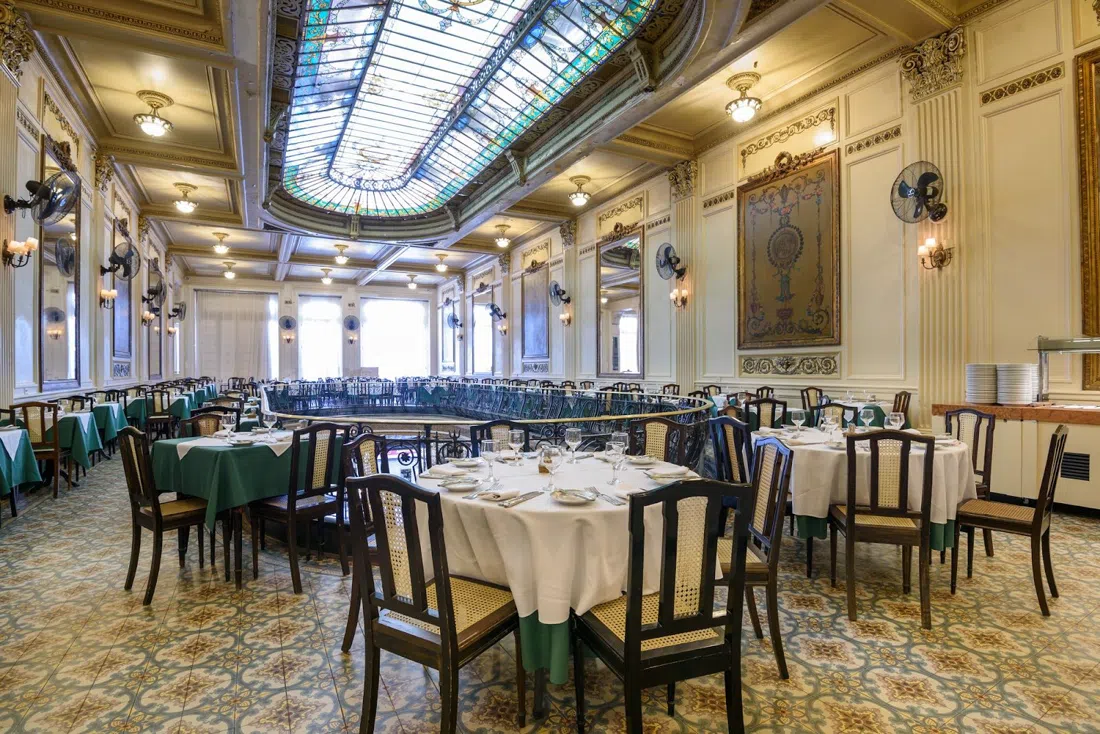
Daytime choro for groups who don't want a late night
Not every visitor wants Lapa at midnight, and two venues on this list solve that without sacrificing the music. Confeitaria Colombo, the ornate belle-époque café in Centro, runs a Saturday chorinho lunch with genuine historical weight behind it: Villa-Lobos and Chiquinha Gonzaga were regulars in the café's early decades, and the room itself, all stained glass and Belgian mirrors, hasn't lost that grandeur. The Saturday feijoada buffet runs roughly R$79.50-99.50 including one drink, and it's an easy booking for groups; reserve ahead, since the Saturday slot is the café's best-known draw and fills with both locals and visitors. For an international audience wary of a 1am Lapa crowd, this is the rare choro experience that happens at a civilised hour, sitting down, with a proper meal attached.
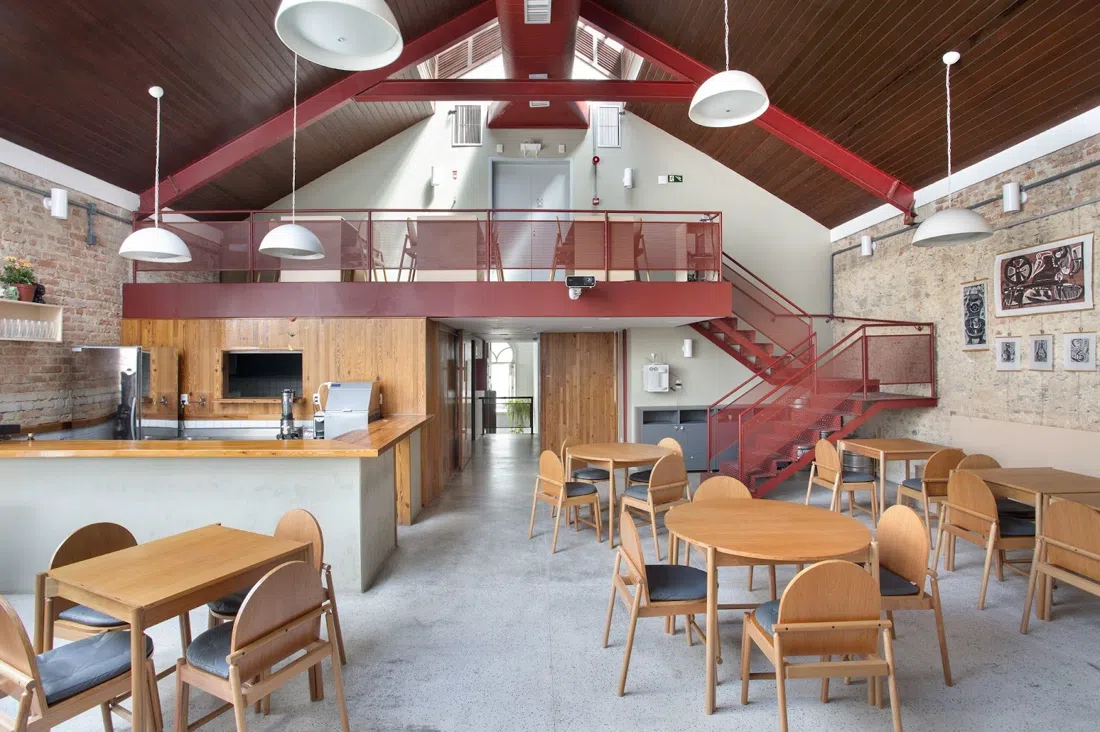
Cachaçaria Mangue Seco, in Lapa, pairs the music with Brazil's other national export: its Saturday dancing lunch is a signature daytime slot, casual and genuinely good for groups, with choro playing upstairs while the cachaça list downstairs offers its own education. It's mid-range, with tastings priced separately from food and drink, and it works well as a contrast stop to the straighter music bars on this list, somewhere the drink is as much the point as the set.
Gamboa kept the tradition going long before it was fashionable
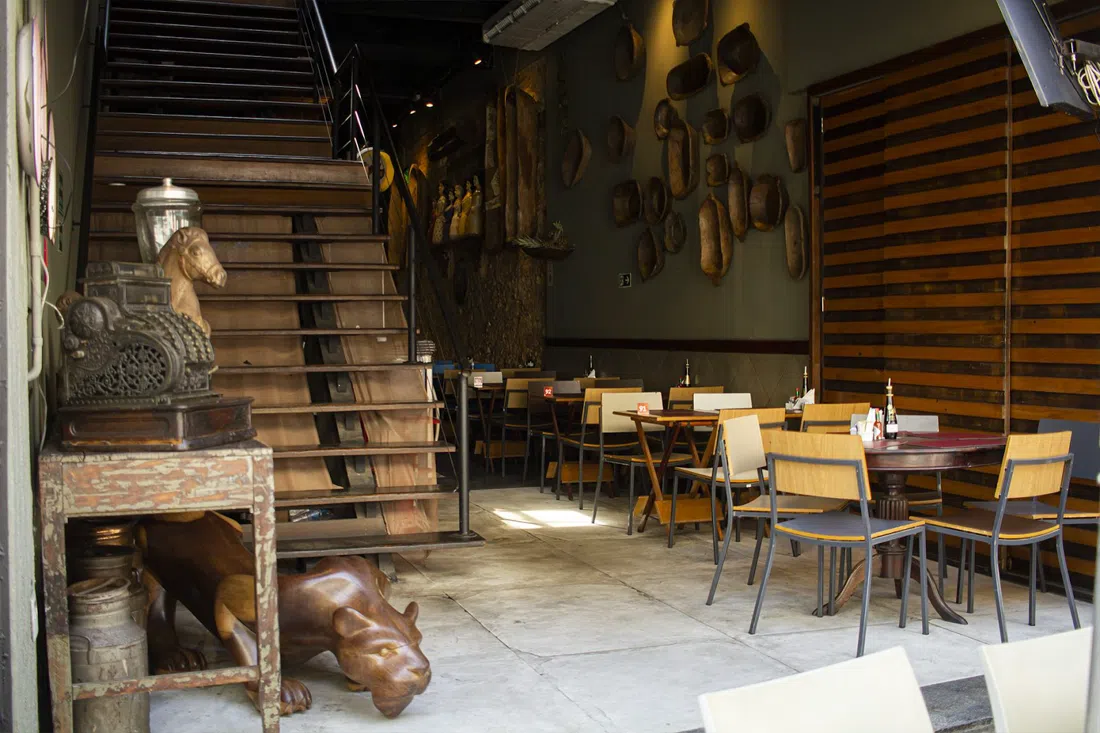
Gamboa, the dockside district north of Centro, has been running its own samba and choro scene since well before the current revival made it fashionable elsewhere. Trapiche Gamboa, in Gamboa, has been a reference point for traditional samba since 2004, with choro in regular rotation and an open-mic policy specifically for women singers, a detail that sets it apart from most of the rooms on this list. It's casual and group-friendly, with tables and standing room and no formal system for booking a large party, so the practical move is to go early on a Thursday, Friday or Saturday and claim space before the room fills. Cover runs roughly R$20-30. One warning worth repeating clearly: the venue's own top-ranking web domain has been hijacked and now serves unrelated gambling content, so don't trust a search result that lands you there; its Facebook page is the reliable source for hours and lineup.
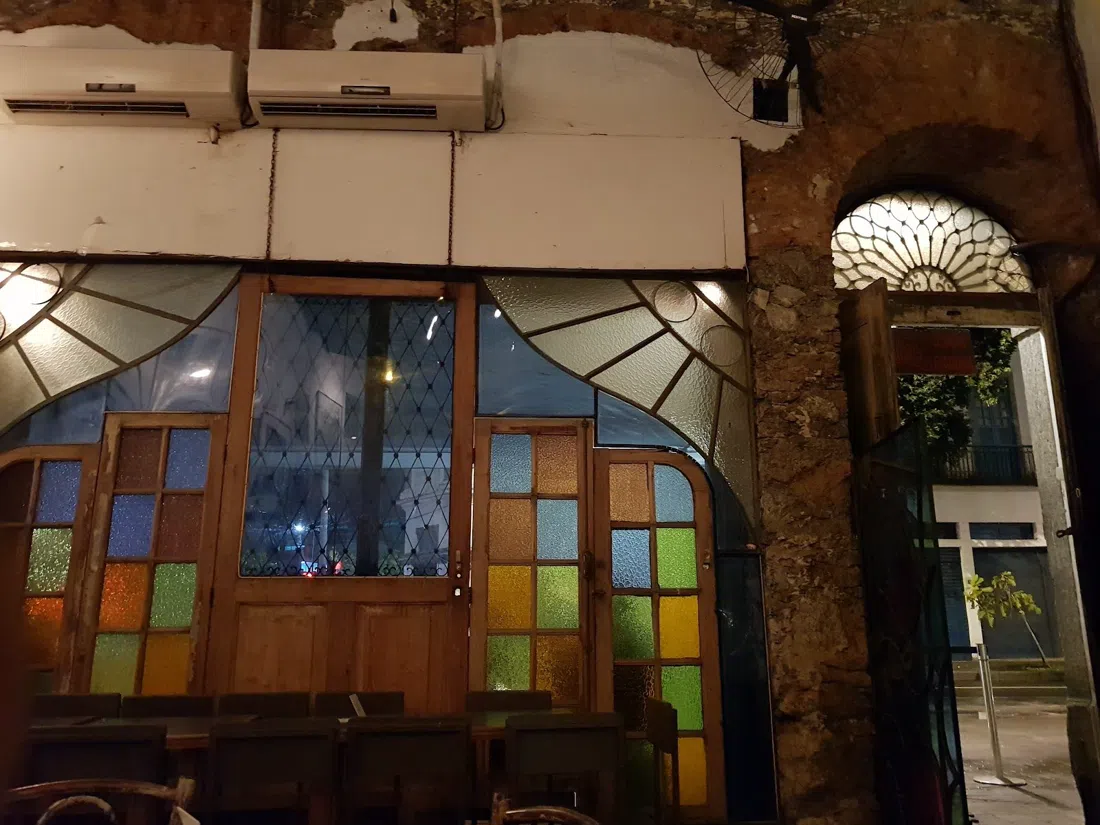
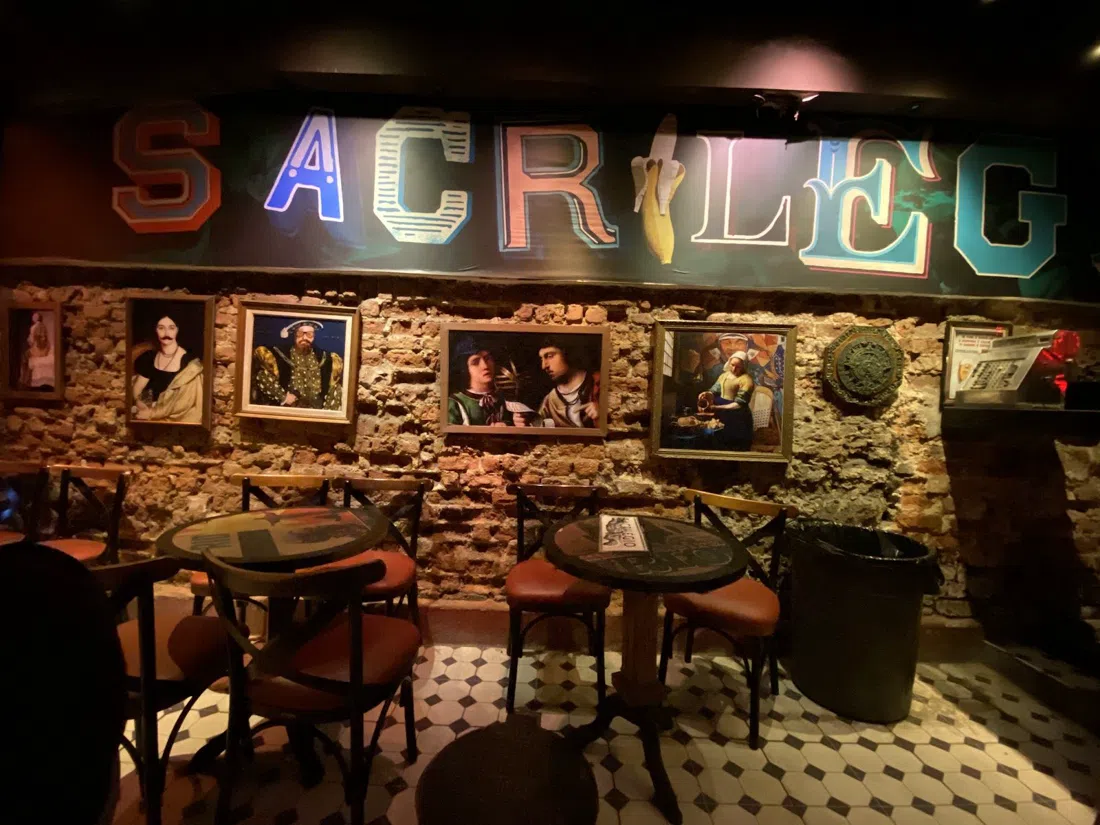
Café Cultural Sacrilégio, in Lapa, runs a Tuesday-night programme mixing choro, samba and MPB in a building with real pedigree: Villa-Lobos and Pixinguinha reportedly played here informally, decades before either name became a museum plaque. It takes groups, the cover is modest, and weekend nights fill fast enough that arriving early is the only real strategy; there's no reservation system to fall back on.
A Carnival club that never stopped playing choro
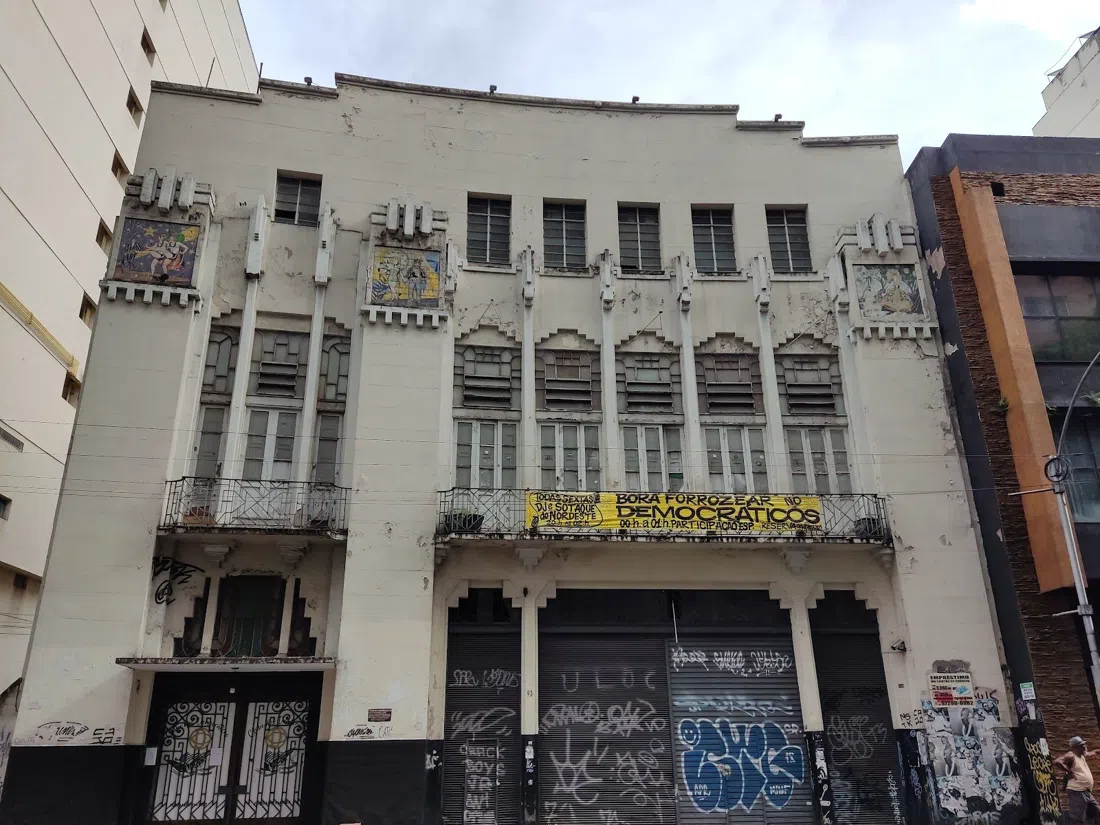
Clube dos Democráticos, in Lapa, is a useful corrective to the idea that choro is a museum piece. Its Wednesday-to-Saturday programme rotates through forró, samba, gafieira, MPB and choro, with table service arranged around an actual dance floor rather than a stage-and-seating setup. The door policy is casual, groups are welcomed without fuss, and the cover is modest and varies by night. Check which night lands on choro specifically before you go (the rotation means you might walk into gafieira instead), but the club's real value is in showing the music as a living, danced tradition rather than something preserved behind glass.
Getting there, paying and timing the night
Most of these venues cluster in two walkable pockets: Lapa and central Centro (Rio Scenarium, Carioca da Gema, Estrela da Lapa, Casa do Choro, Confeitaria Colombo, Cachaçaria Mangue Seco, Café Cultural Sacrilégio, Clube dos Democráticos and the Praça XV roda), with Santa Teresa a short tram or taxi ride above Lapa, Copacabana a separate trip south along the coast for Bip Bip, and Gamboa a short taxi or ride-share north of Centro for Trapiche Gamboa. Ride-share apps run reliably across all of these areas and are the sensible way to arrive and leave at night; walking between Lapa venues after dark is common, but stick to the lit, populated streets around Rua do Lavradio and Rua da Lapa.
Cash still matters more here than at a typical Rio restaurant: Bip Bip in particular runs an informal, cash-friendly till, and smaller covers at the botequim-style bars are easier settled in notes than by card. Bring reais in small denominations rather than assuming a card machine will be handy at the door.
On timing, the pattern across this list is consistent: choro nights lean early rather than late by Rio standards. Bip Bip's Monday roda, Bar do Mineiro's Monday roda, and the Sunday-morning Roda de Choro Arruma o Coreto all reward arriving on time or early rather than fashionably late, since none of them have a booking system to fall back on if the room fills. Budget for a modest cover at most stops (R$20-90 covers the whole range on this list) plus food and drink on top; the daytime options at Confeitaria Colombo and Cachaçaria Mangue Seco are the better choice for a full meal built around the music rather than a bar snack.
For the wider trip, a Rio De Janeiro guide covers the districts these venues sit in beyond the music, and if you're building a stay around a Lapa or Santa Teresa evening, it's worth starting with a Rio De Janeiro hotel search to find a base within a short ride of both.