The Rio De Janeiro issue
Rio Helicopter Flights Over Barra da Tijuca Worth the Seat
What the window shows you, how the operators compare for a couple rather than a group of six, and what ten extra minutes of air time over Barra da Tijuca adds to the price.

By Marit VanderbergRio's neighbourhoods, staircases and cable-car views
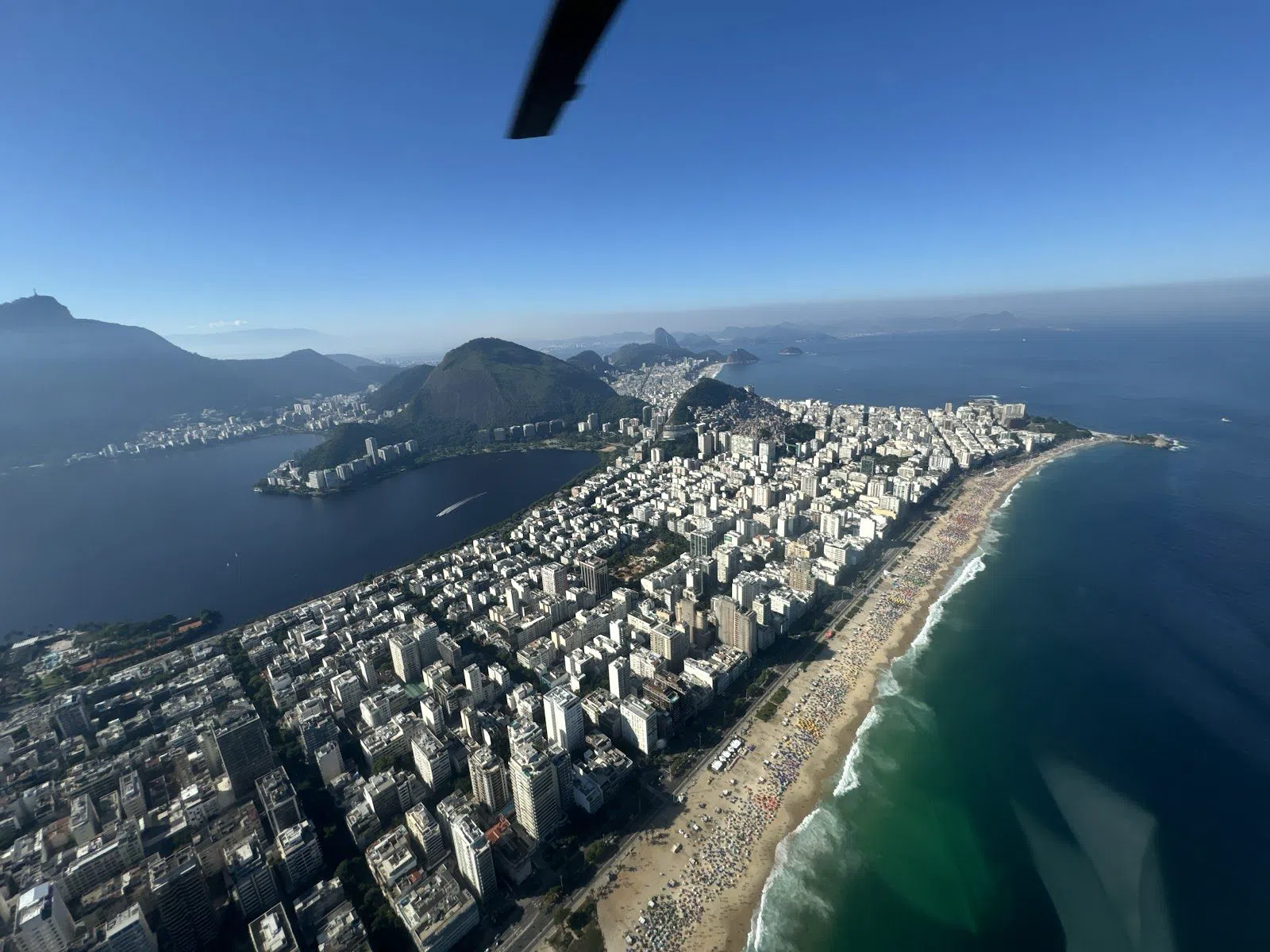
The helicopter lifts off from a working airport behind the shopping centres, swings out over the lagoons, and within ninety seconds the whole of Barra da Tijuca is laid out below as one pale line of sand running west until it runs into a hill. The famous part of the route comes later. The part that explains the city comes first, in those opening two minutes, when the mountains, the sandbar and eighteen kilometres of beach finally arrange themselves into something a visitor can read.
Why the air looks different over Barra
Barra da Tijuca is the part of Rio de Janeiro that was planned. The older districts grew into the gaps between granite peaks, filling whatever flat ground the mountains allowed. This one was drawn on paper in the late 1960s, laid across a sandbar between the ocean and a chain of lagoons, and filled in with long avenues and tall residential blocks over the fifty years that followed. From street level that planning mostly reads as traffic and distance, which is why first-time visitors tend to write the district off as a suburb of malls.
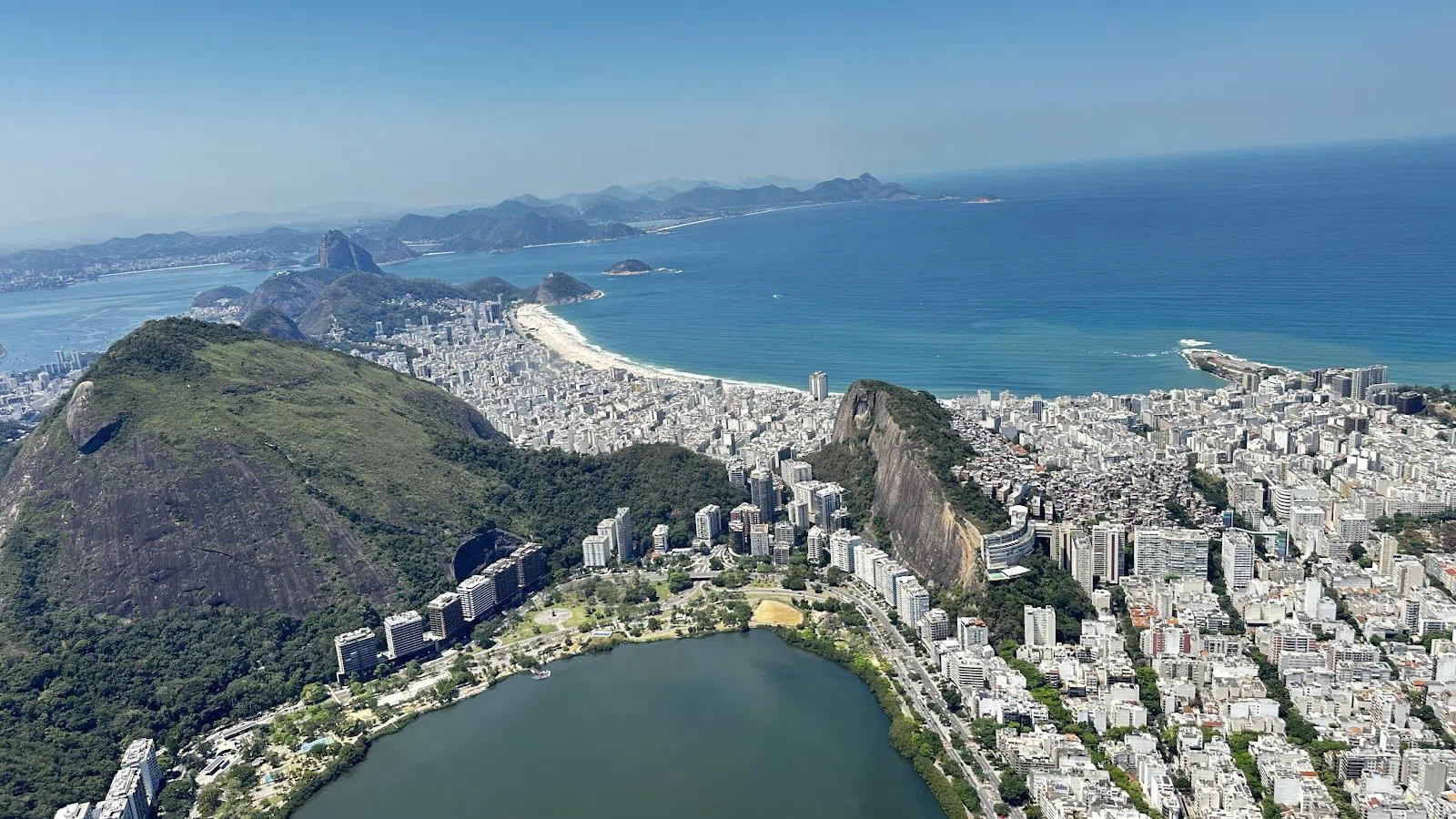
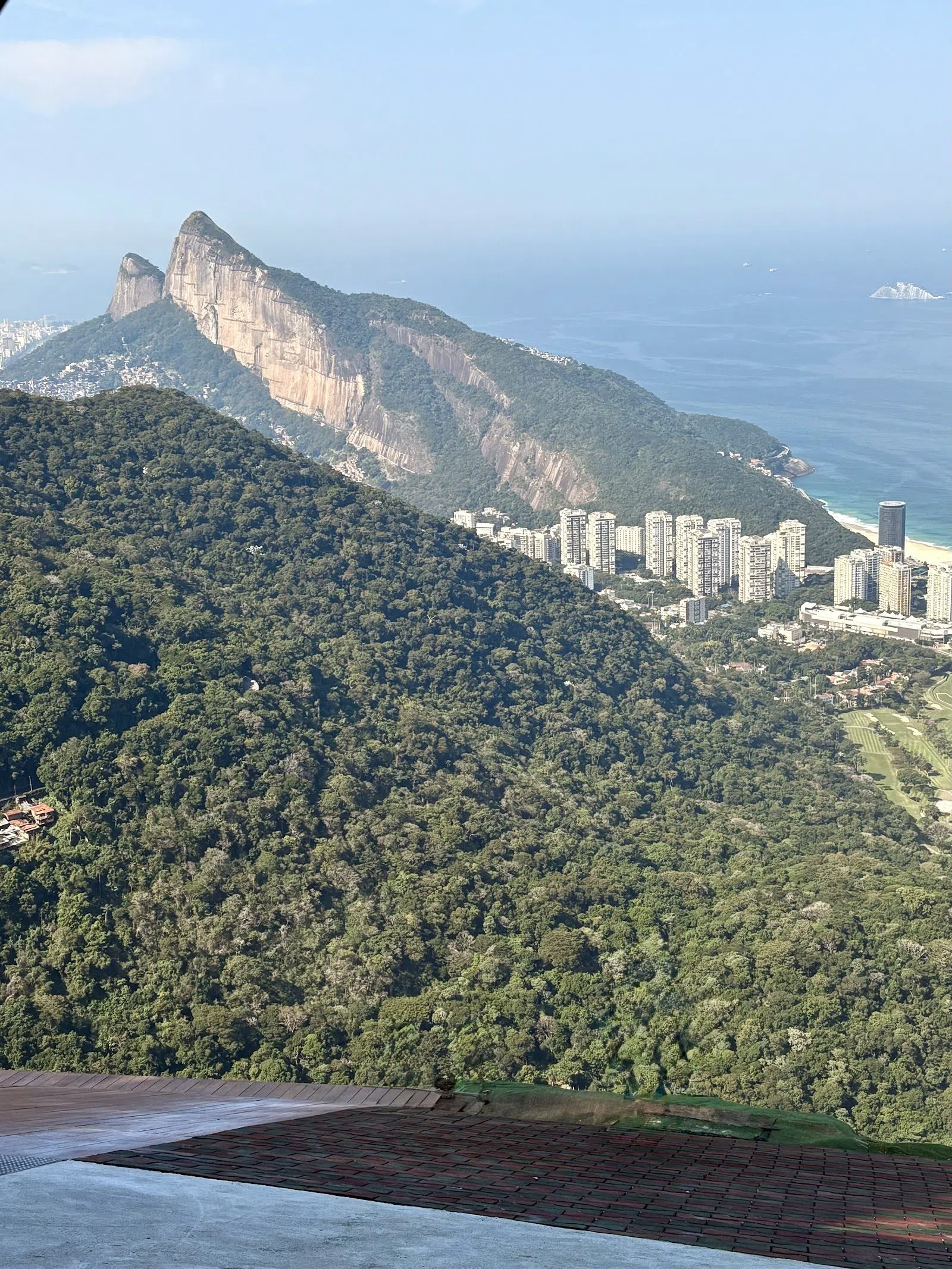
From eight hundred feet it reads as geometry instead. The beach becomes a single unbroken edge, the lagoons behind it a second coastline, and the Tijuca massif a green wall shutting the whole system off from the rest of the city. That is the honest case for flying from this end of town rather than from the south zone: you get the engineered city first and the postcard second, and the contrast between the two is the thing you remember.
Plan your Rio De Janeiro trip
Live prices from our booking partners.
Free cancellation on many rooms. We may earn a commission when you book.
What you see, in the order you see it
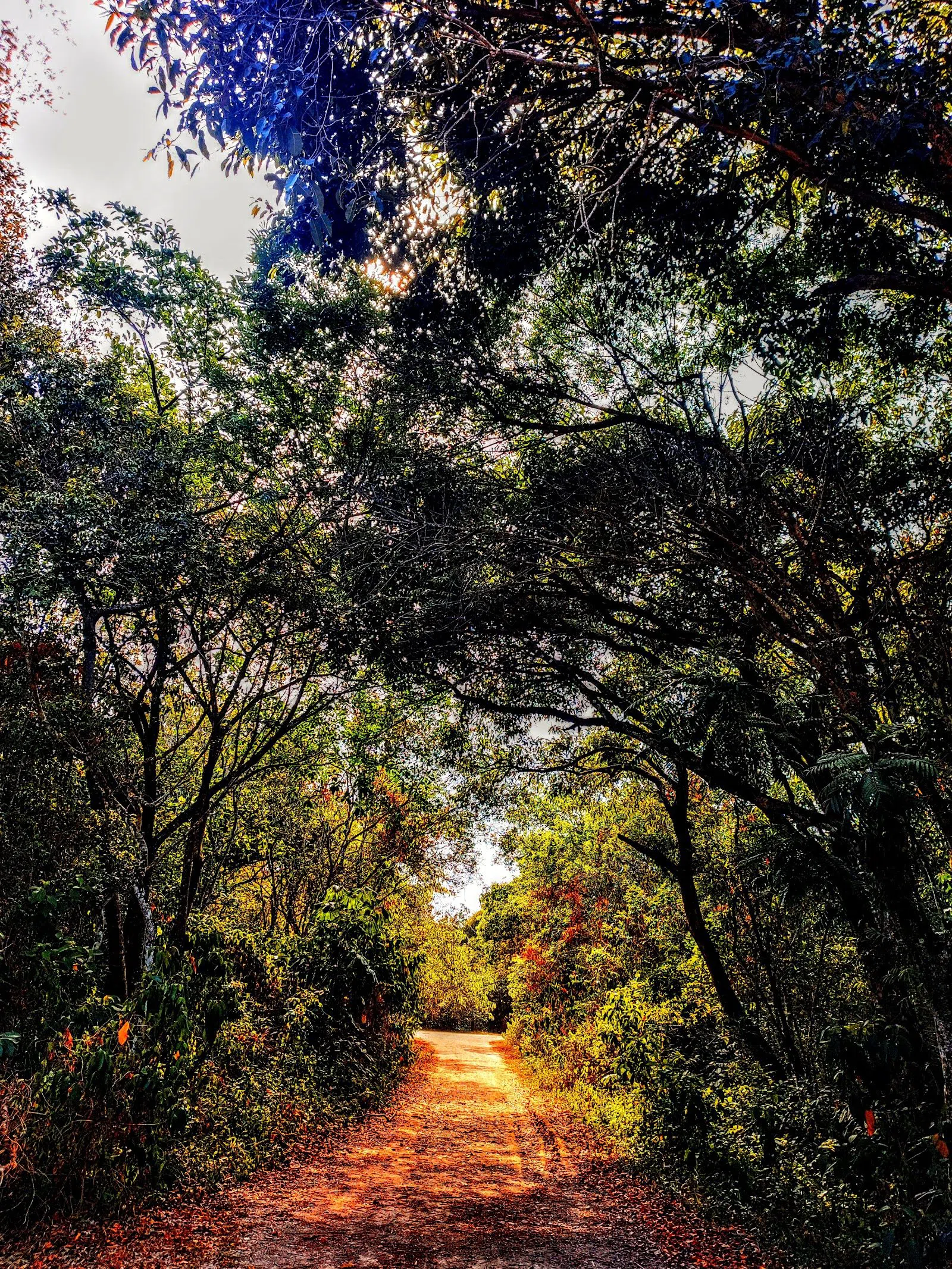
Most Barra routes climb out over the flats of Jacarepaguá and turn seaward, which means the first recognisable landmark is green. Parque Natural Municipal Bosque da Barra (Barra da Tijuca, on Avenida das Américas) is the rectangle of scrub and ponds you pass a minute after take-off, the surviving patch of sandbar vegetation that covered all of this before the avenues arrived. It is open Tuesday to Sunday in daylight hours, closed Mondays, free to enter with free parking when there is space.
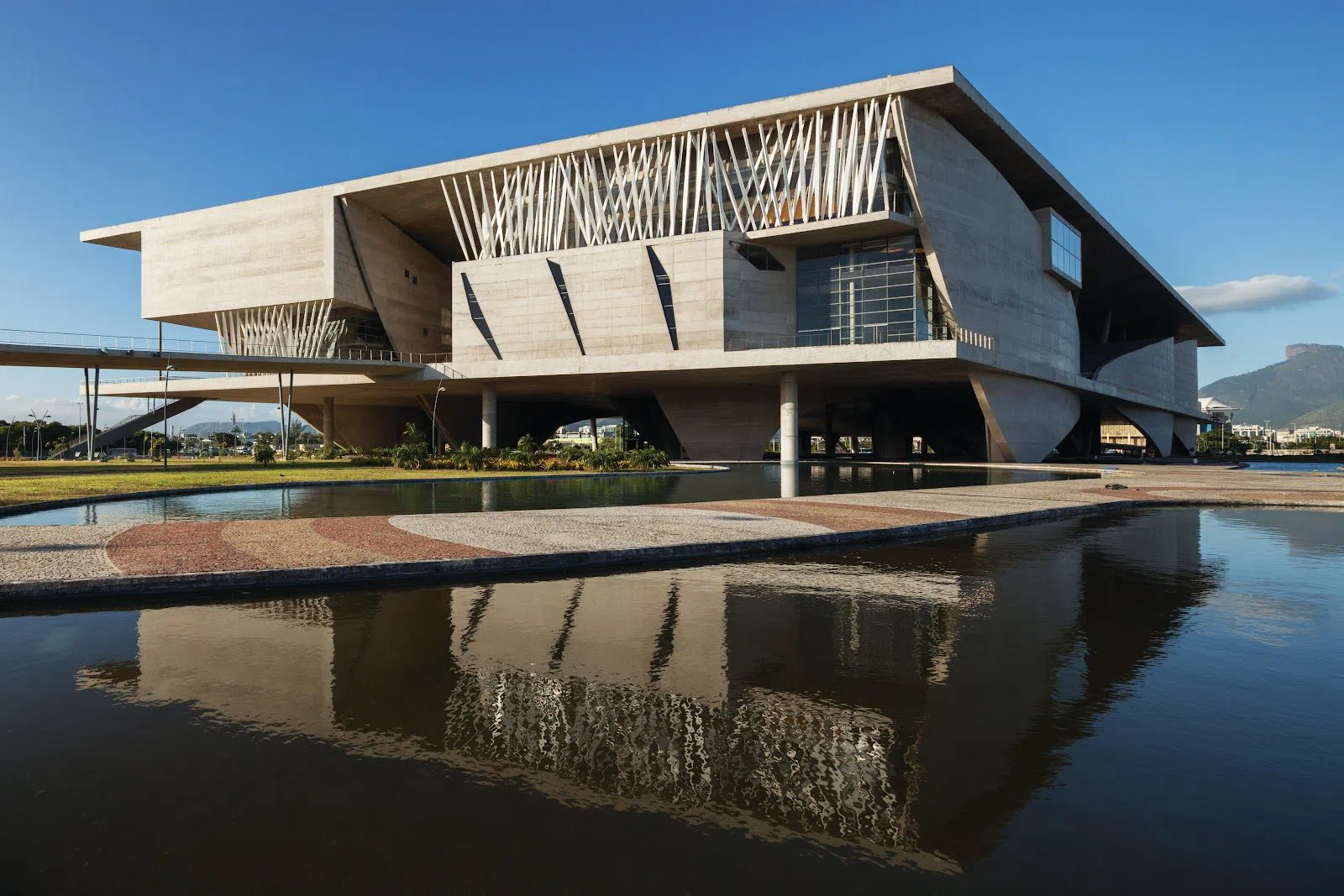
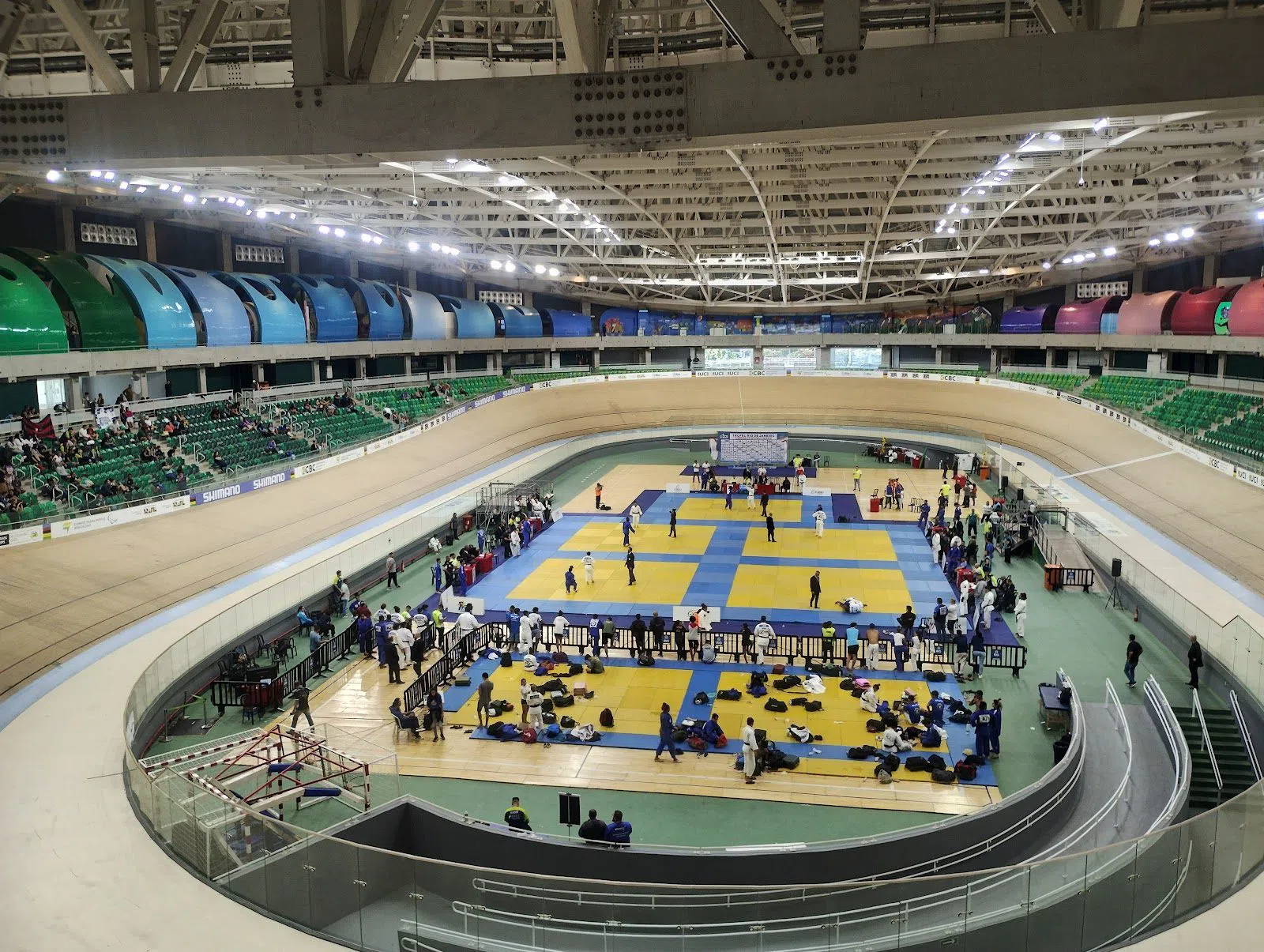
Seconds later the concrete slab of Cidade das Artes (Barra da Tijuca) appears beside the same avenue, unmistakable from the air as a raised rectangle on columns. It is South America's largest modern concert hall and home of the Brazilian Symphony Orchestra, with a programme that runs right through the year. Then comes the Olympic cluster, where Rio Museu Olímpico (Barra Olympic Park) sits inside the velodrome you fly directly over.
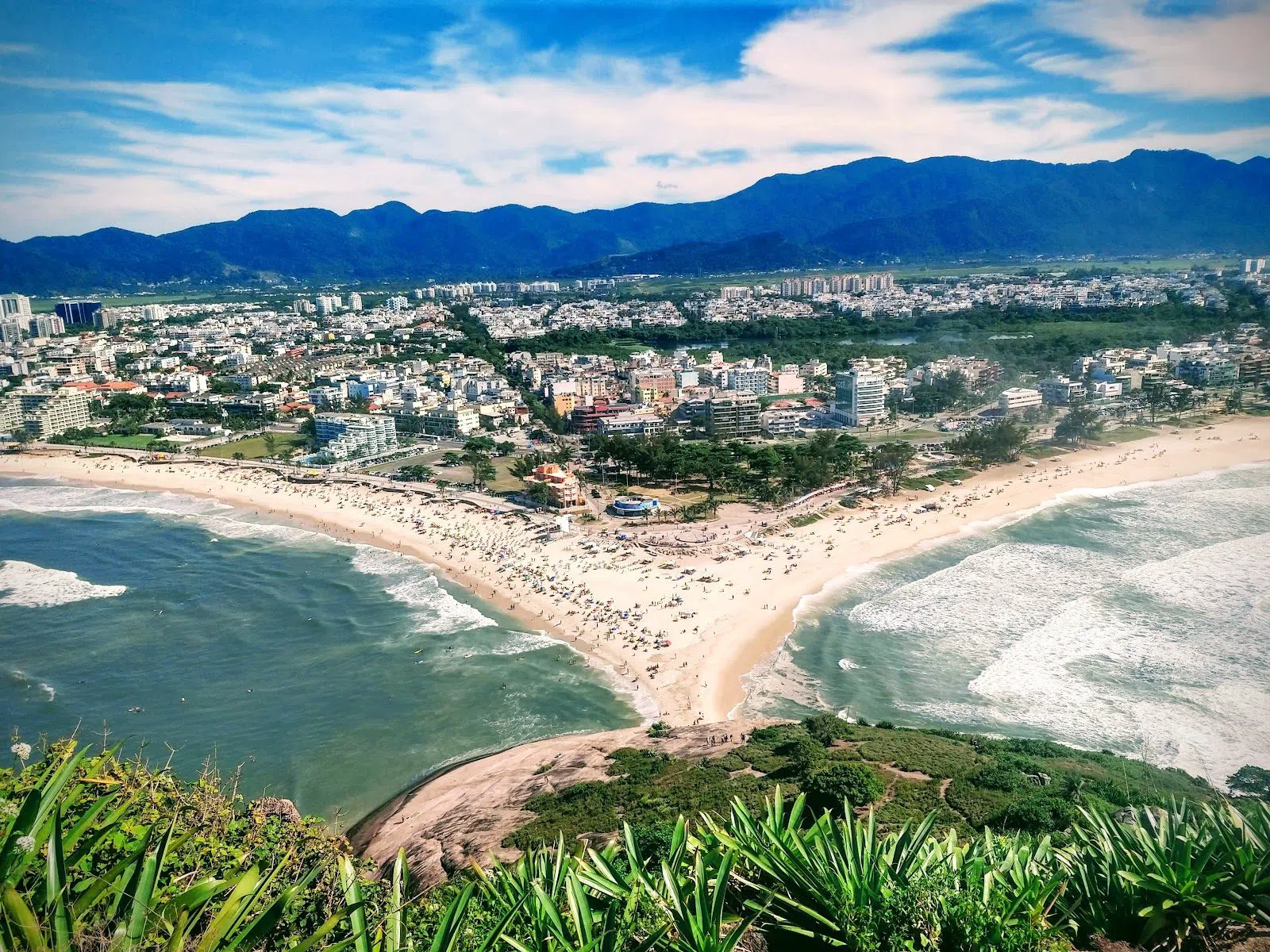
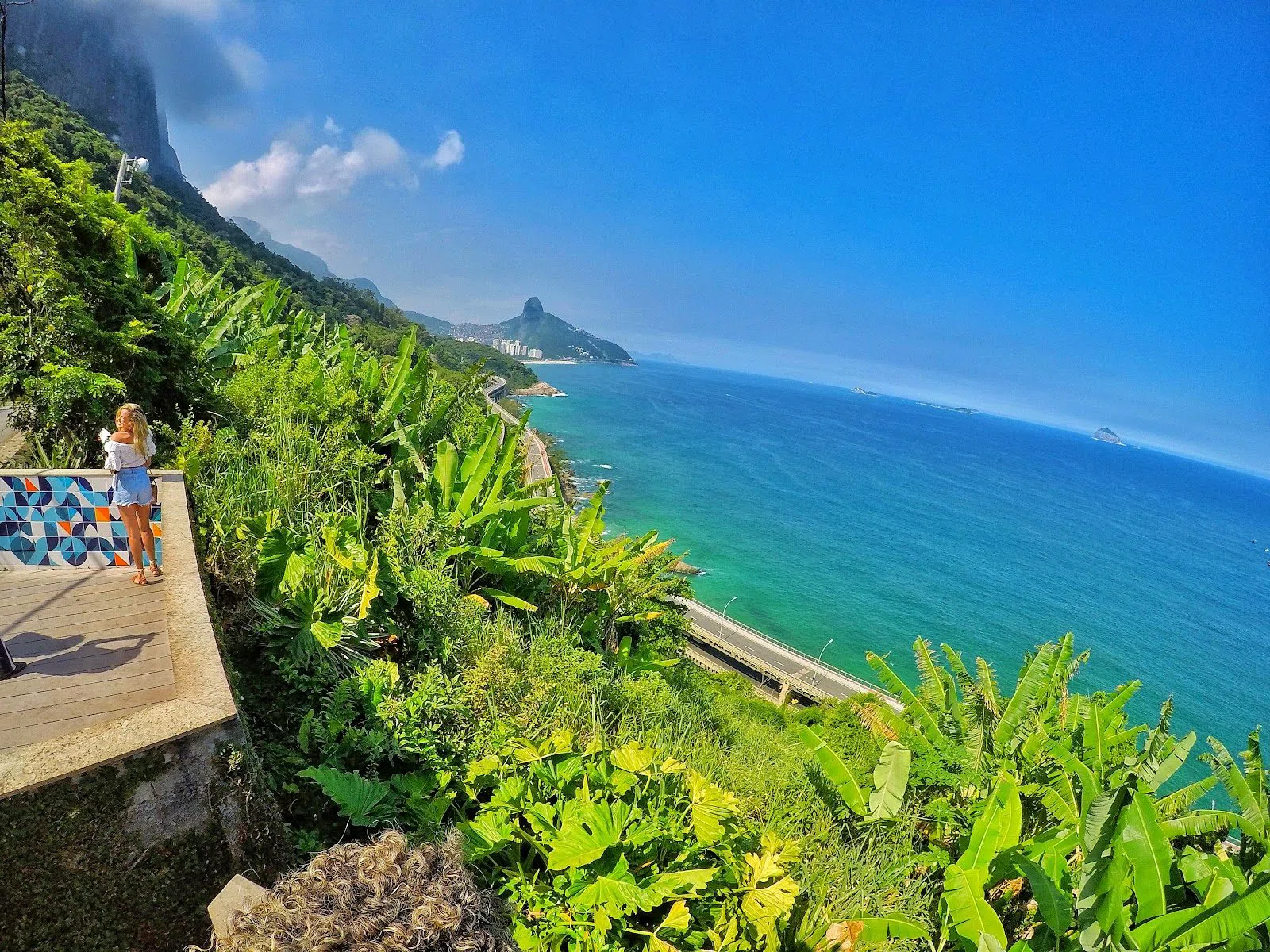
The water arrives next. The aircraft follows the sand west past the lifeguard posts, Posto 4 among them, where the beach crowd thins out and the apartment towers give way to low scrub towards Recreio dos Bandeirantes. The strip ends at Pedra do Pontal (Recreio dos Bandeirantes), the lone hill standing in the surf at the far end, and this is where longer routes turn back east, cross the viaducts at Joá above Mirante do Joá (Joá), and head for the statue on the mountain. Christ the Redeemer is the shot almost everyone came for, and whether your flight includes it depends entirely on the length you buy.
The operators and what a seat actually buys
The Barra scene has a clear price ladder, and the question worth asking is how many minutes you need and whether you are buying a seat or a whole aircraft.
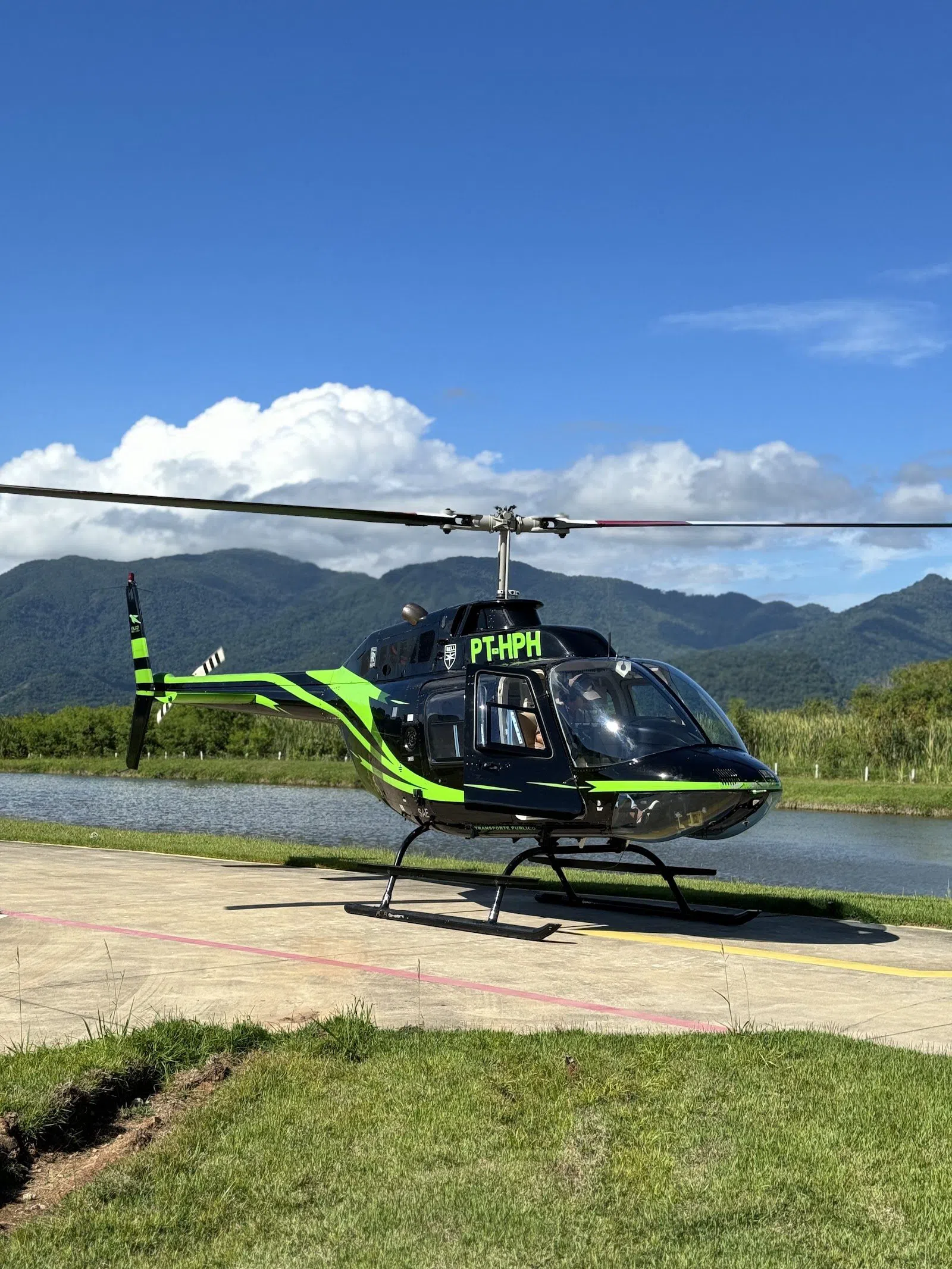
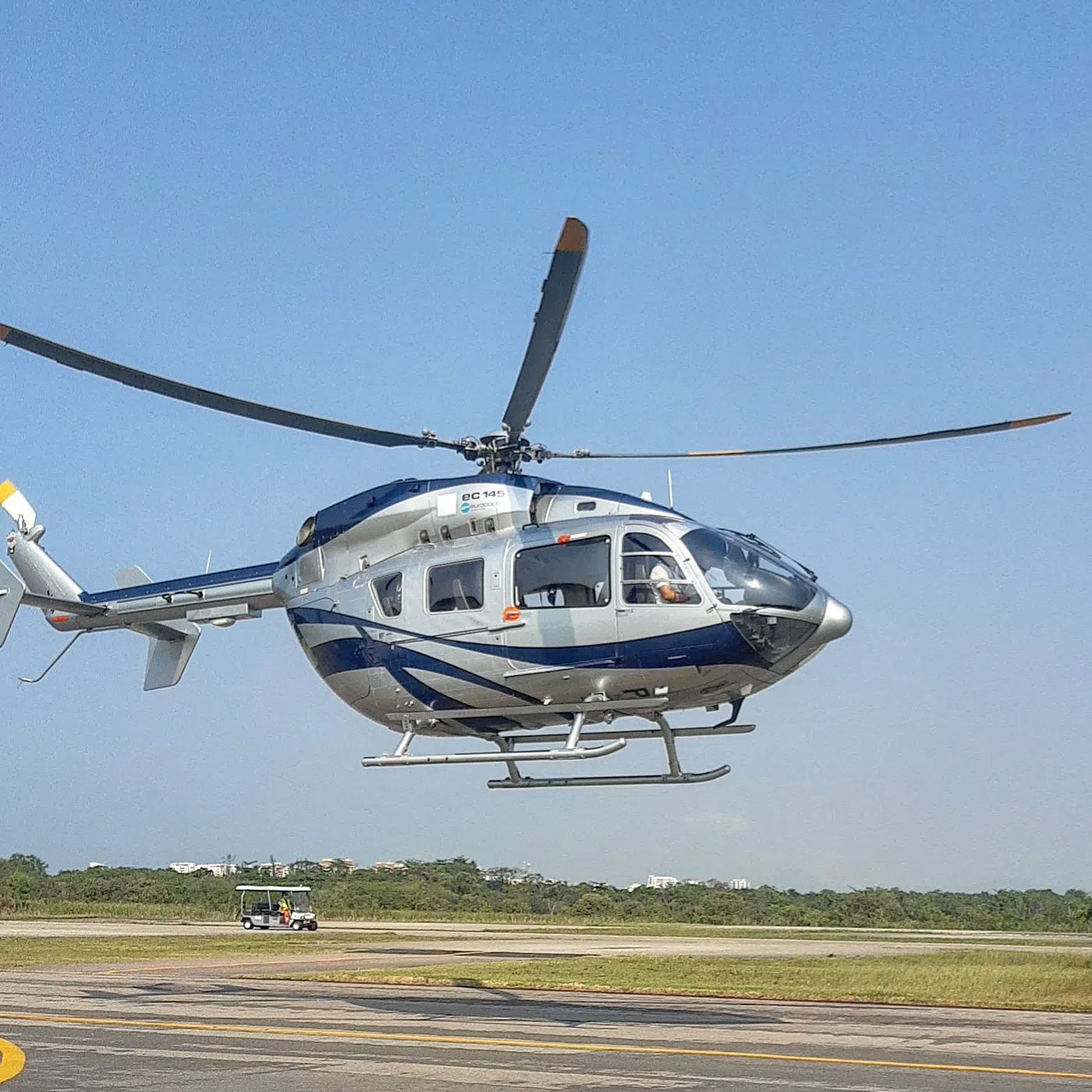
4Fly RJ (Jacarepaguá) is the cheapest credible way into the air here, and a registered air-taxi company rather than a reseller. Flights run from R$800 for twenty minutes to R$1,700 for fifty-five, with doors-off between R$1,150 and R$1,500. The twenty-minute hop matters because it is the short flight that still clears Christ the Redeemer. Standard routes carry one to three passengers, the bigger machine takes up to five plus the pilot, the limit is 130 kg per seat, doors-off is 13 and over, and pets are not accepted.

Rio Air Tour (Barra da Tijuca) publishes the clearest four-step ladder: R$850 for twenty minutes, R$965 for thirty, R$1,350 for forty-five and R$1,750 for sixty, with a thirty-minute doors-off flight at R$1,335. Departures run daily from 9am to 5pm, cancellation is free up to 24 hours, and the aircraft takes one to four passengers with the doors on, three with them off. If you want to see exactly what another ten minutes of air time buys, this is the list to read.
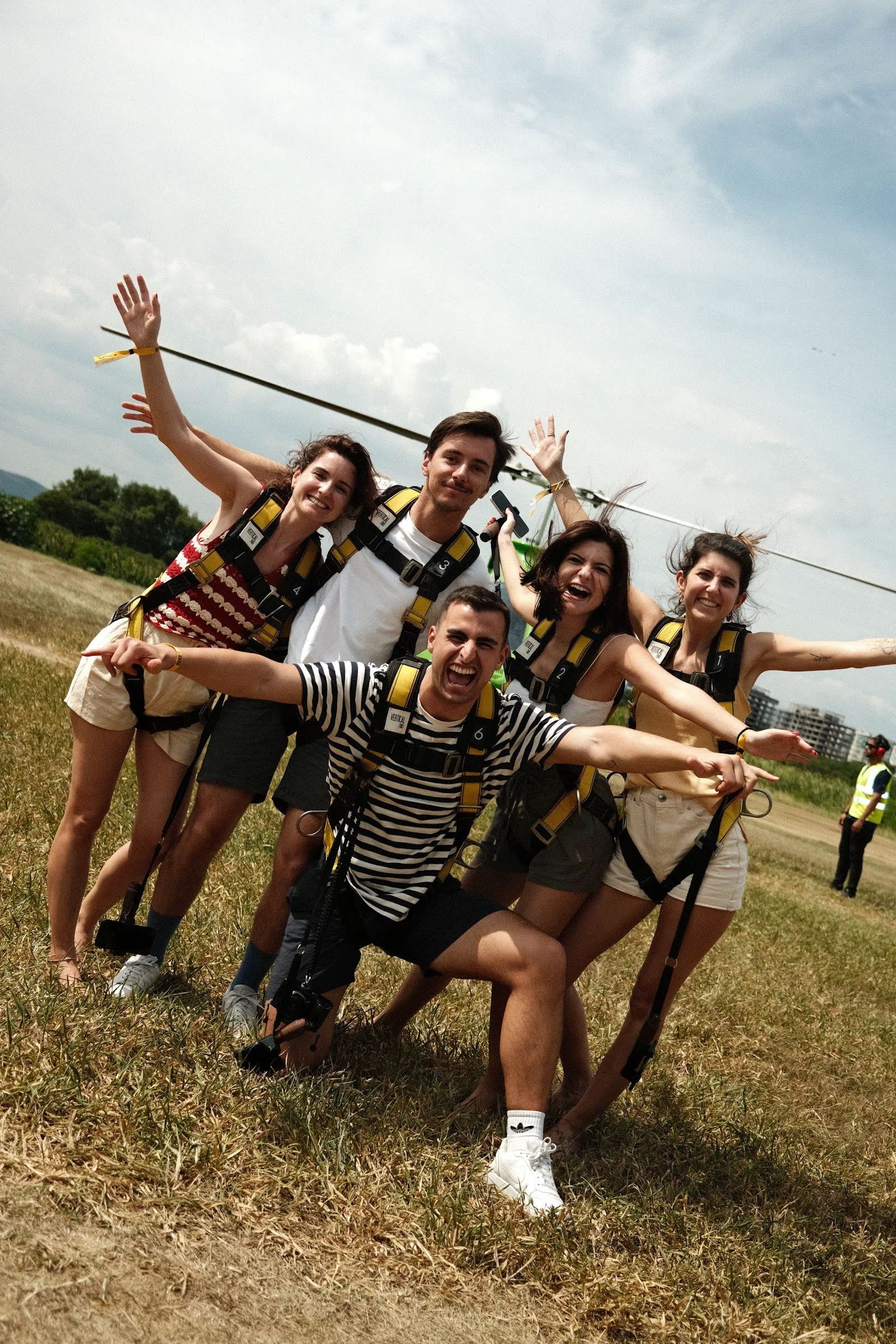
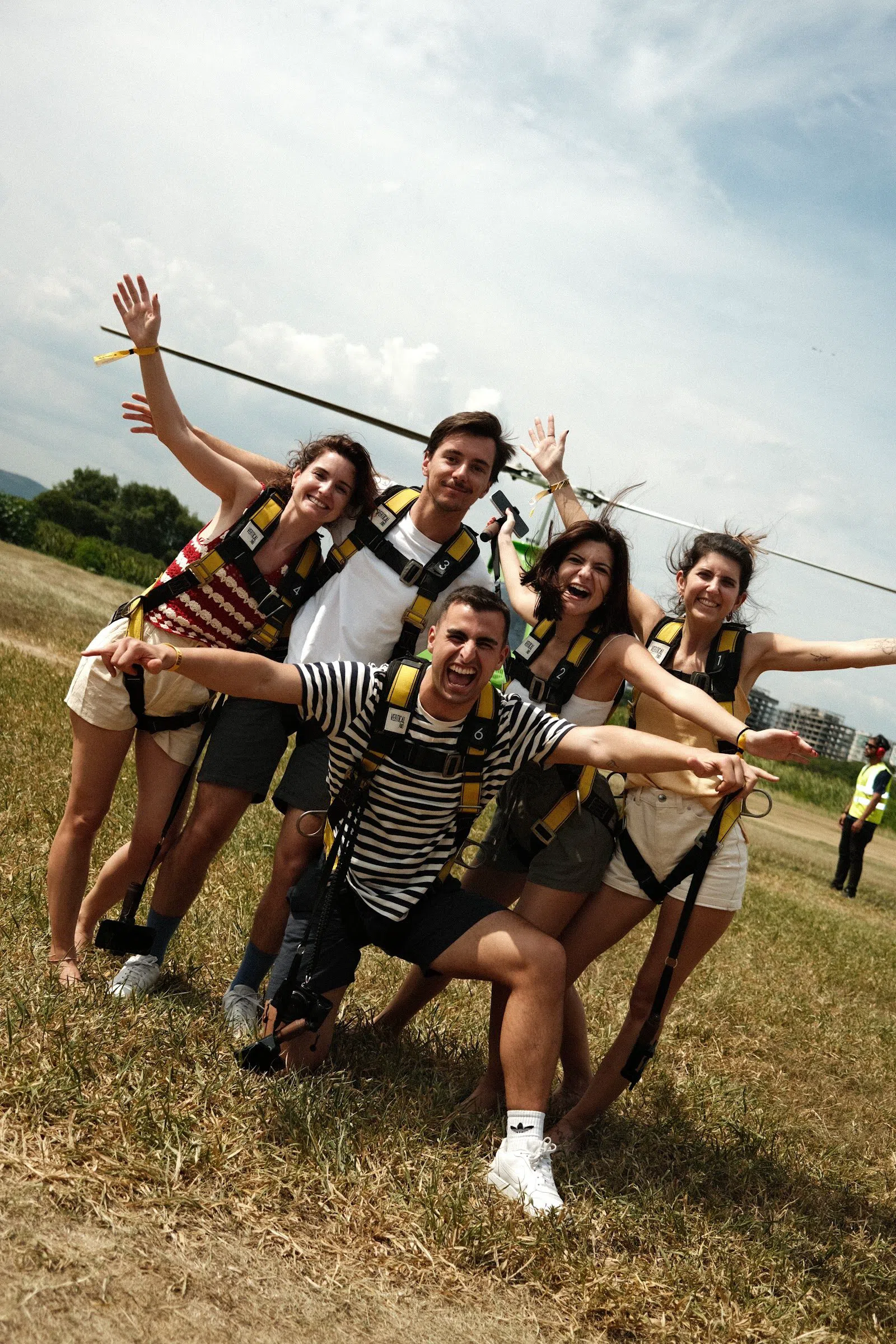
Vertical Rio (Barra da Tijuca) is the specialist for the open-door photo flight, selling seat by seat with three to four seats per aircraft and splitting larger parties across back-to-back departures from the same pad. Prices start at R$1,020 a seat for thirty minutes doors-off, R$1,220 doors-on, and R$1,850 for forty-five minutes doors-off. It also has the most explicit published rules in the local market, which is what you want from an operator after the 2026 safety crackdown: a hard 110 kg per-passenger weight limit, check-in 60 minutes before takeoff, a stated no-show policy and free cancellation up to 48 hours.
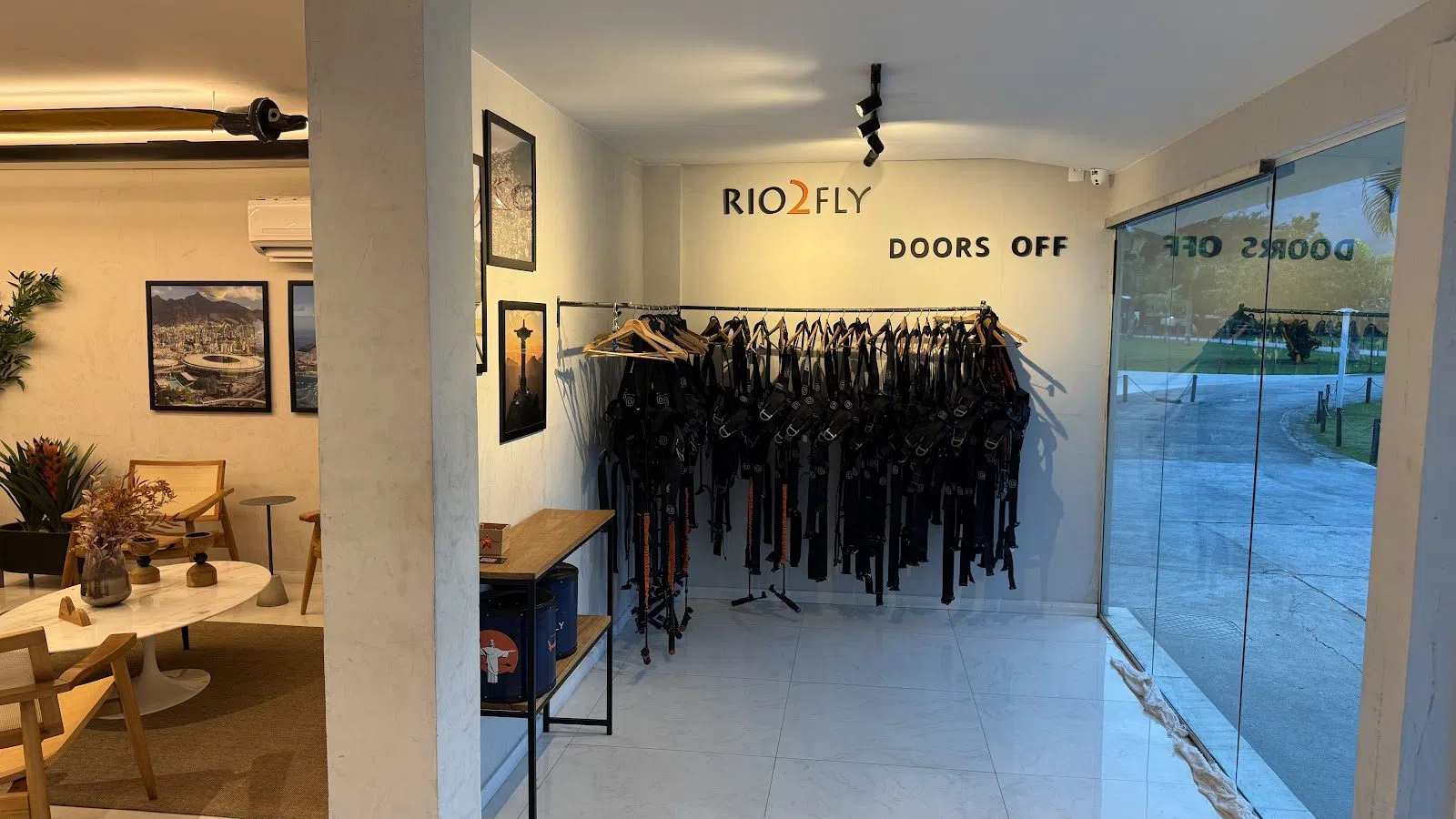
Rio2Fly (Recreio dos Bandeirantes) is the one operator flying from its own heliport rather than a shared airport hangar, at the far west end of the Barra and Recreio coast. That reverses the route: the entire beach strip unrolls beneath you on the way in rather than on the way home. Flights run from R$1,099 for twenty-five minutes to R$2,599 for an hour, with a thirty-five-minute doors-off option around R$1,899, carrying one to six passengers, and there is a private two-seat option for couples who want the cabin to themselves.
Falcon Táxi Aéreo (Jacarepaguá) prices the whole aircraft rather than the head, which is excellent value for a couple or a family of three and awkward the moment you are four. Whole-flight prices run from R$1,250 for a ten to twelve minute hop up to R$3,000 for an hour, with doors-off between R$1,750 and R$2,500. Read the short one carefully: at R$1,250 it covers the west-zone beaches only and deliberately skips Christ the Redeemer.
Doors off, doors on, and the rules attached
Doors-off is a specific purchase. You get unobstructed frames with no glass reflection, a great deal of noise and wind, and a harness that keeps you firmly in the seat. Phones and loose lens caps are the things people lose. It also narrows your options: operators cap doors-off flights at three passengers where the doors-on version takes four, and the minimum age is higher, so a family with a younger child will usually be flying with the doors shut whatever the parents wanted.
Weight limits are published and enforced, and they differ between operators by a meaningful margin. One caps passengers at 110 kg, another at 130 kg per seat. Nobody on the pad is being coy about it, because weight and balance are flight-safety numbers rather than policy preferences. If you are near either figure, say so when you book rather than at check-in, when there is no time to re-seat an aircraft.
Flying from the south zone instead
If your hotel is nowhere near this end of the city, Helisight (Helisul Táxi Aéreo) (Lagoa) is the alternative. It has been flying since 1978 and, since the city rescinded five companies' terms in August 2026, it is the only firm holding municipal authorisation to sell panoramic flights from the Lagoa helipad. Seven route options run daily from 9am until sunset, and per-person prices stretch from R$640 to R$3,710 depending on how much of the city you want, with doors-off around R$1,370.
Couples have one thing to check first. Most routes need three or four passengers to depart, so a pair either pays to cover the empty seats or waits to be paired with other travellers. On a quiet weekday morning that wait can be long.
Where you check in
Almost every Barra flight leaves from Aeroporto de Jacarepaguá – Roberto Marinho (SBJR) (Jacarepaguá), one of Latin America's busiest heliports and the practical centre of the scene. There is no entry charge; you pay the flight operator. The thing to understand before the day is that this is a working airport, not a tourist terminal. You check in at an individual hangar, several brands share the same street address, and there is no central desk where a confused visitor can ask. Confirm your hangar number in writing when you book, show it to the driver, and arrive at the time the operator gave you rather than the takeoff time, which for at least one operator here means a full hour earlier.
Booking ahead or taking your chances
These flights operate seven days a week, which makes them unusually easy to slot into a trip, and it also means walk-up seats do sometimes exist on a midweek afternoon. The sensible approach is still to book the day before at minimum. Weather ruins more plans here than demand does, and an operator that already has your booking will call you about a wind delay instead of leaving you to discover it at the hangar.
The guided option attached to this page shows how these flights land with travellers: the top flight here holds a 4.9 out of 5 rating from 614 reviews. Fixed dates are the exception to the relaxed picture. Some departures on 25 December 2026 are already fully sold out, while other dates remain bookable. If your trip includes a public holiday, treat that morning as a book-now rather than a decide-later.
Best time to go
Fly early. Between 9am and about 11am the air over the sandbar is at its most stable, the light comes in low from the east across the beach, and the clouds that build over the Tijuca massif through the afternoon have not yet formed a lid over the statue. A flight that leaves at nine has the best odds of actually seeing everything you paid for.
Late afternoon is the other good window, and the one photographers argue for. People here check the day's sunset time, with reason: the sun drops into the sea at this end of the city rather than behind the mountains, and the last departures of the day put the whole beach strip in warm side light. You pay for that in risk, because haze is thicker, afternoon cloud is more likely, and if your flight is scrubbed there is no later slot to move it to.
By season, the dry months from roughly May to September bring the clearest, most reliable mornings and cooler cabin temperatures, which matters more than it sounds on a doors-off flight. The December to March summer is hotter and wetter, with heavy afternoon storms that cancel flights outright, so book a morning and keep a spare day in reserve. Weekends are busier on the pad and on the roads out to the airport; a Tuesday or Wednesday morning is the calmest version of the whole experience.
When the weather scrubs your flight
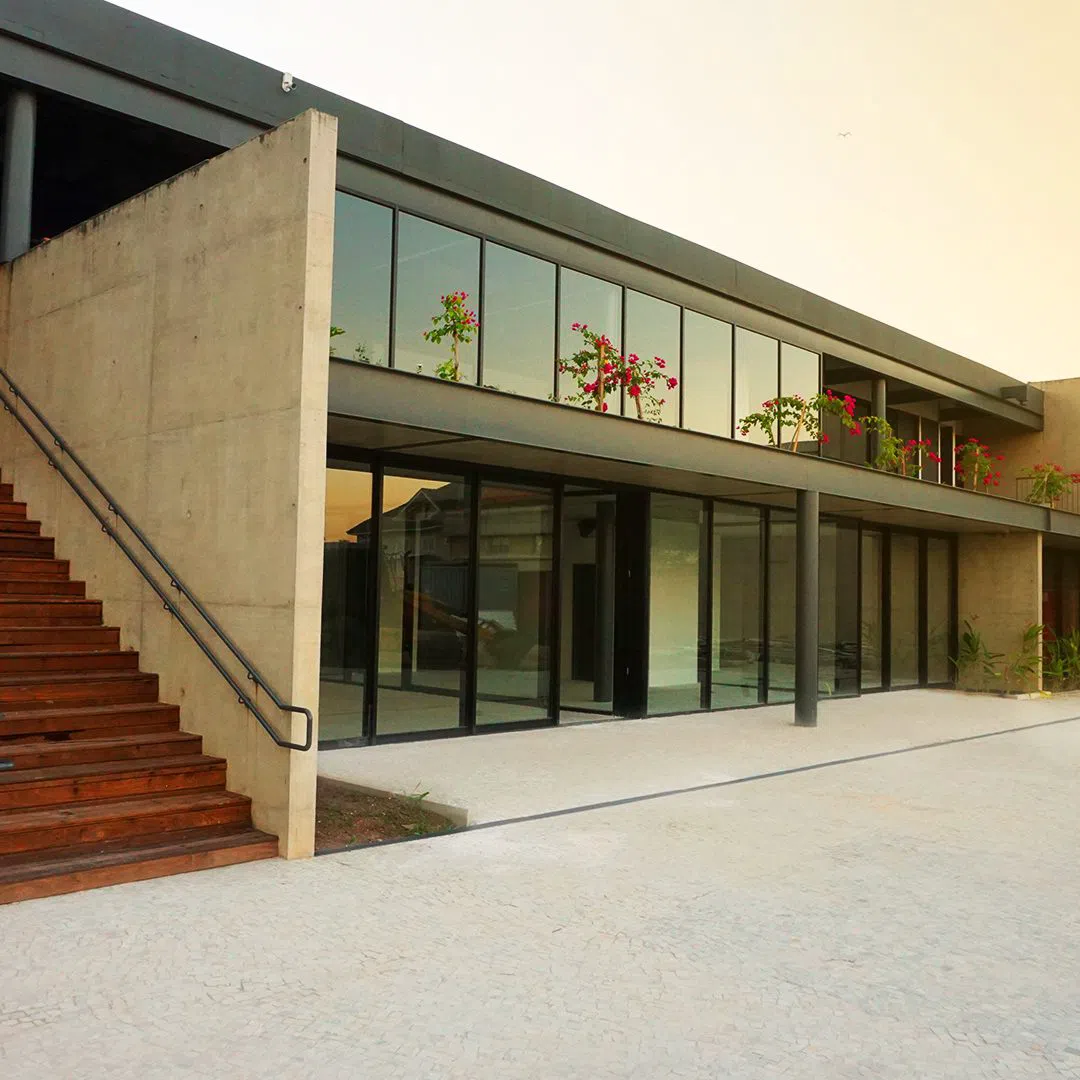
It happens, and the consolation is that Barra has a proper wet-weather bench. Museu do Pontal (Recreio dos Bandeirantes) holds over 10,000 works by some 300 popular artists from 21 states and is the one genuinely world-class indoor attraction at this end of the city, open Thursday to Sunday from 10am to 6pm with last gallery entry at 5.30pm, free to enter with a suggested R$20 contribution, and roomy enough to absorb a group. The Olympic museum inside the velodrome is open Tuesday to Sunday, 10am to 5.30pm with last entry at 4pm, at R$40 full and R$20 half price, free for under-twos and on the last Tuesday of each month; book online or at the on-site kiosks and bring a card, because cash is not accepted at the door.
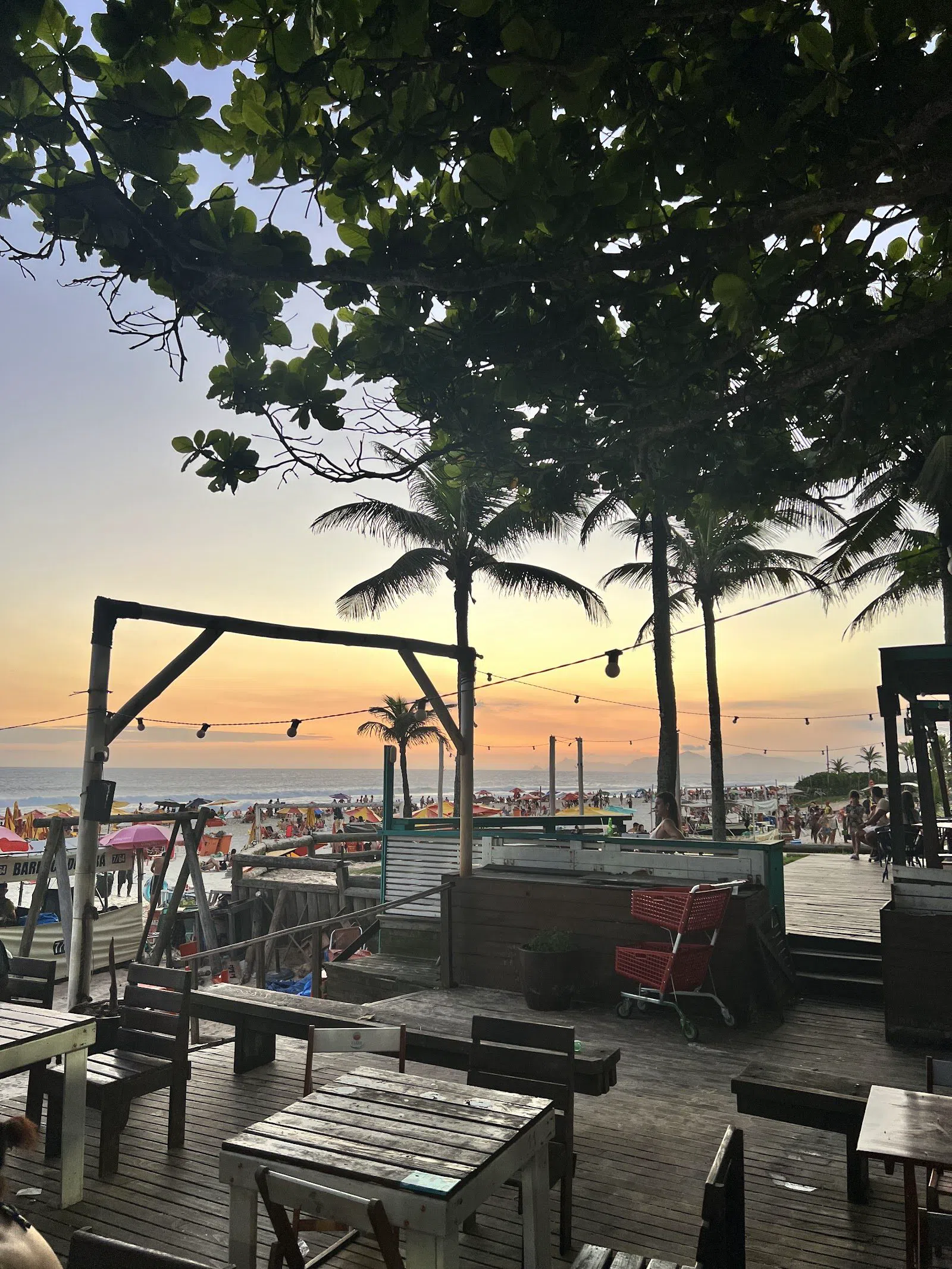
If it is merely windy rather than wet, walk up Pedra do Pontal instead. The climb takes 30 to 45 minutes on steep steps, there is no gate and no booking, and from the top you get the same end-to-end view of the beach strip from the one hill standing in the middle of it. Go early, before the sun hits the rock, and keep the group small and fit. Either way, eat at Barraca do Pepê (Pepê beach, Barra da Tijuca), open daily 8.30am to 7pm, R$30 to R$60 for a sandwich and a juice. It was opened in 1979 by Pepê, a surf and hang-gliding champion who gave this stretch of beach its name, so the kiosk, the sand outside it and the flying all trace back to the same man.
The cheaper, slower way into the air
Ten minutes from Barra, Rampa de Voo Livre da Pedra Bonita (Clube São Conrado de Voo Livre) (São Conrado) launches tandem hang-gliders and paragliders with a licensed instructor, one passenger at a time, at roughly R$850 to R$1,390 a person. You get altitude, silence and a long slow descent to the sand instead of rotor noise and a fixed itinerary; what you give up is any control over the route and a good deal of reliability, since flights are routinely rescheduled for wind. Groups book consecutive slots rather than flying together. As a complement to a helicopter flight it is excellent. As a substitute, accept that a cancelled-for-wind morning is common.
Is it worth the seat price
Yes, with one condition: buy enough minutes to include the statue, or buy the short flight knowing it is a beach flight. What actually disappoints people in this market is neither the aircraft nor the pilots. It is paying four figures for a twelve-minute hop over the west-zone beaches and discovering afterwards that the route never went near Christ the Redeemer. Twenty minutes with an operator whose short route still clears the statue is the best value here; thirty to thirty-five minutes is the comfortable version, with time to look rather than scramble for the camera.
Photographers get the most out of it, along with anyone who has one clear day in the city and couples who would rather spend R$2,000 on a single hour than spread it over a week of taxis. Groups fare less well: three or four passengers is the practical ceiling per aircraft, so a party of six is really two departures and a wait. If you are travelling with children under 13, with pets, or on a tight budget, the ground viewpoints and the hang-gliding ramp give you a version of the same coastline for nothing or for half the price.
Practical notes
Getting there: the Barra flights leave from the Jacarepaguá airport hangars, best reached by taxi or ride-hailing, and allow extra time along Avenida das Américas at rush hour. For the Joá viewpoint, bus 557 stops almost at the gate; the kerb recess there fits three or four cars and perhaps a dozen people, so it works for a small group and not at all for a coach. Go in daylight, as it sits on a quiet residential street.
Money: flights are card and bank-transfer business, but carry some reais for the beach kiosk and the museum donation. The Olympic museum takes card and digital payment only.
Timing and budget: plan a 9am flight, add an hour for check-in, and keep the rest of the morning free. Budget around R$800 to R$1,000 a seat for a short flight that includes the statue, R$1,300 to R$1,900 for doors-off, and R$1,250 to R$3,000 if you are buying a whole aircraft for two or three people. Then plan where to sleep: a Rio De Janeiro hotel search will show you how much cheaper a Barra flat or beachfront hotel is than the equivalent in the south zone, and the wider Rio De Janeiro guide covers what to do with the days around the flight.
Before you go
How much does a helicopter flight from Barra da Tijuca cost?
Per-seat prices start at R$800 for twenty minutes, run from R$850 to R$965 for twenty to thirty minutes, and reach about R$1,700 to R$1,750 on the fifty-five or sixty-minute routes. Doors-off costs roughly R$1,150 to R$1,900 depending on operator and length. One operator sells the whole aircraft rather than seats, from R$1,250 for a short hop to R$3,000 for an hour, which works out cheapest for a couple or a family of three.
Does the cheapest flight include Christ the Redeemer?
Not always, and getting this wrong is expensive. One Barra operator's twenty-minute hop does clear Christ the Redeemer, while another's R$1,250 ten to twelve minute flight covers the west-zone beaches only and skips the statue. Ask which landmarks the route includes before you pay, rather than at the hangar.
Is there a weight limit, and a minimum age for doors-off?
Yes, and the figures differ by operator: one sets a limit of 110 kg per passenger, another allows 130 kg per seat. These are weight-and-balance numbers, so the crew checks them at the pad. With at least one operator, doors-off flights take passengers of 13 and over, cap the cabin at three rather than four, and carry no pets. Give your weights when you book so the operator can seat the aircraft correctly.
Do I need to book ahead or can I turn up at the airport?
Flights run seven days a week, so midweek walk-up seats do sometimes exist, but booking at least a day ahead is sensible. An operator that holds your booking will warn you about a wind delay instead of letting you travel out to the hangar for nothing. Fixed dates work differently: some departures of the top-rated flight are already sold out on 25 December 2026, while other dates remain bookable.
What happens if the weather cancels the flight?
Cancellation and refund windows are published and they vary: one operator offers free cancellation up to 24 hours before departure, another up to 48 hours, and no-show policies are separate from weather cancellations. Keep a spare morning in your itinerary, especially between December and March when heavy afternoon storms are common, and have a ground plan ready. The Pontal folk-art museum, the Olympic museum in the velodrome and the climb up Pedra do Pontal all fill a scrubbed slot.