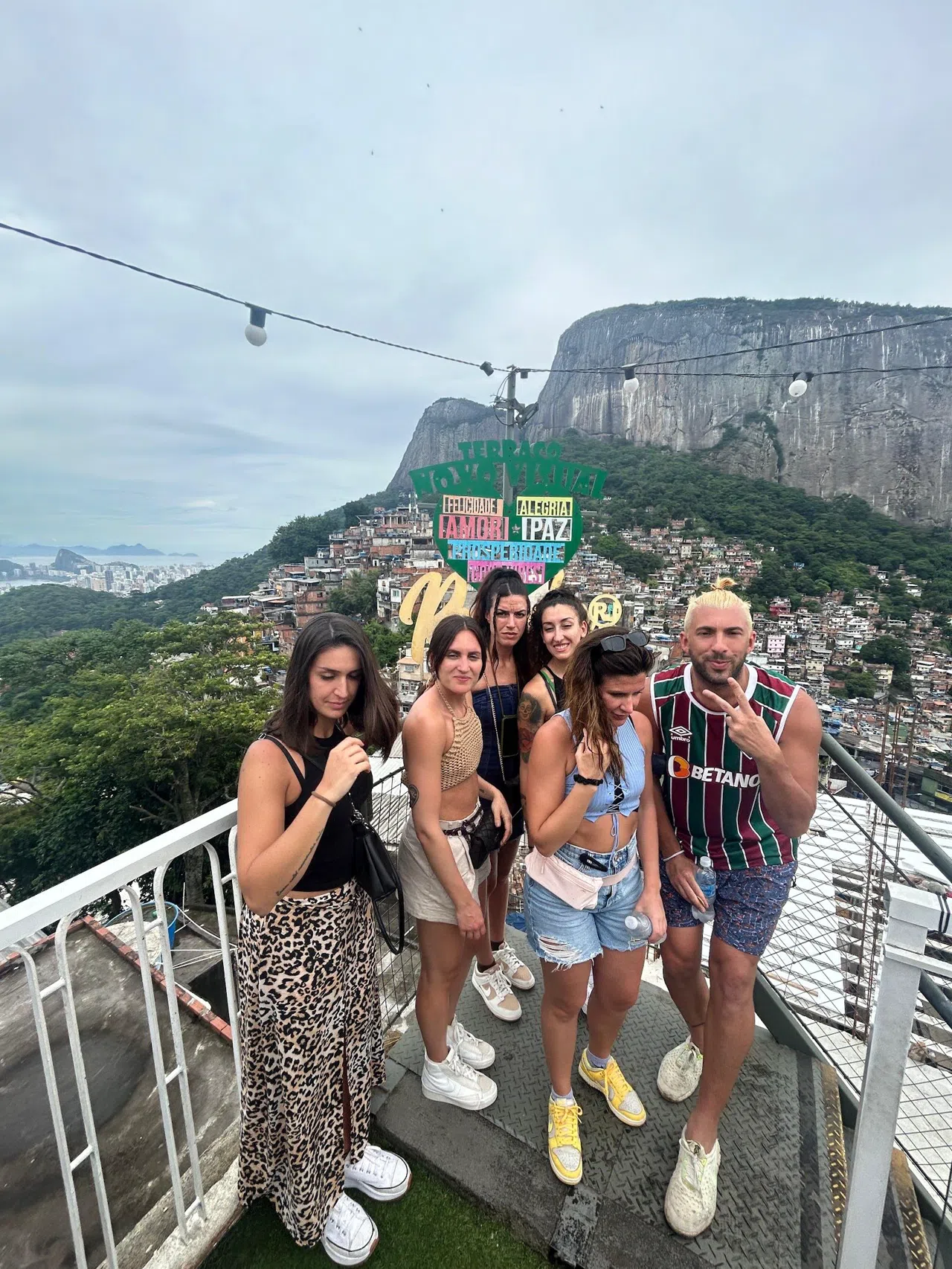

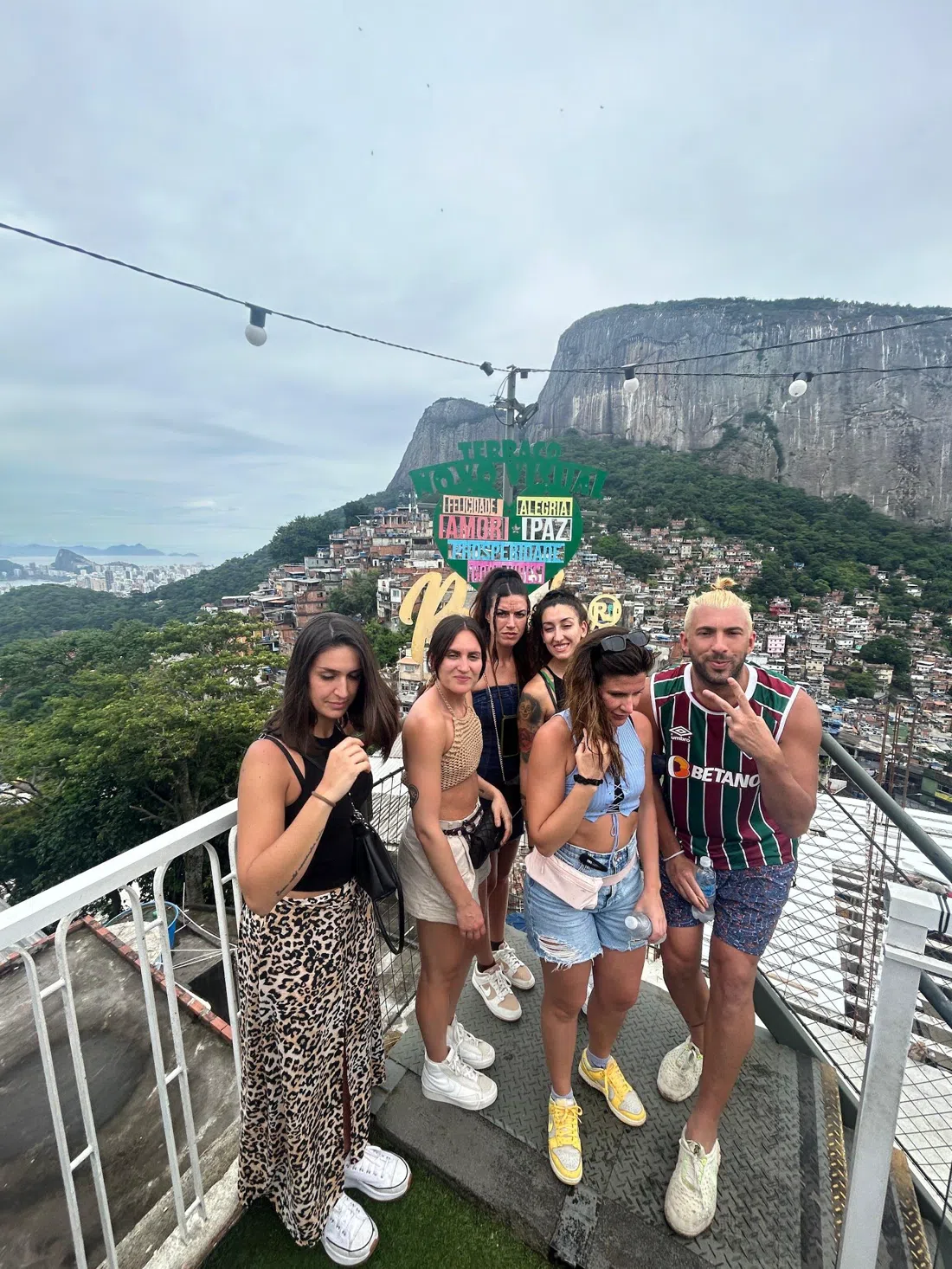
Rio de Janeiro's hillside favelas are not one place but hundreds — steep, brick-and-rebar communities climbing toward the clouds above Copacabana, Ipanema and the industrial North Zone, each with its own history, its own murals, and its own claim on the skyline. Seen from the beach they blur into a single backdrop; walk them with a resident guide and they split apart into distinct neighborhoods, from the hillside where the word "favela" was first coined to a rooftop bar where the sunset over Rocinha outdoes anything the sand can offer. This is not a checklist of miradouros. It's a route through the communities that built Rio's funk, its street art and its resistance culture, told by the people who still live there.
Walking In: Community-Led Tours
The most responsible way to see any favela is on a tour run or staffed by residents, and Rio has three genuinely different versions of that experience. Favela Tour (Marcelo Armstrong), in Rocinha and Vila Canoas, is the original — running continuously since 1992, long before favela tourism was a phrase anyone used. Groups are picked up by minivan and walk in clusters of roughly twelve, which makes it the most predictable, first-timer-friendly option on this list: three hours, R$100–130 (roughly US$20–25) per person. It's also the only tour here with a hard funding line back into the community — a quarter of every ticket goes to two resident-run schools inside Rocinha, so the visit has stakes beyond sightseeing.
Favela Santa Marta Tour, up in Botafogo's hillside Santa Marta, tells a different story. This was the first favela in Rio to be pacified and the first to have its houses fully mural-painted, and it remains the easiest to combine with a beach day since it sits just behind Botafogo. Both small-group and private local-guide bookings are widely available — expect R$70–100 (about US$14–20) for two hours. Everyone comes for the Michael Jackson connection (his 1996 video for "They Don't Care About Us" was shot here, and there's a bronze statue to prove it), but the real draw is riding the inclined-plane car to the top and looking back down over Botafogo Bay and Sugarloaf.

Rolé dos Favelados, up in Morro da Providência, is the tour to book if the history matters more than the photo. Providência is literally where the term "favela" originated — named after a hardy hillside plant soldiers camped among in the 1890s — and the tour is led personally by Cosme "O Favelado" Felippsen, a community activist rather than a franchise guide. It runs around R$60–90 (US$12–18) and reads less like a sightseeing loop and more like an oral history of Rio's oldest informal settlement, told by someone who has spent his life organizing inside it.

Art and History, Up Close
Two stops here go deeper than a walking tour can, and both reward contacting ahead rather than turning up.
Casa Amarela, also in Providência, is a cultural center co-founded by French street artist JR and local historian Maurício Hora — the clearest through-line in the city from Rio's favela-photography and mural boom of the 2000s to grassroots youth programming today. It's free to visit, runs public classes and events, and welcomes groups with advance contact; donations or small workshop fees apply depending on what's on.
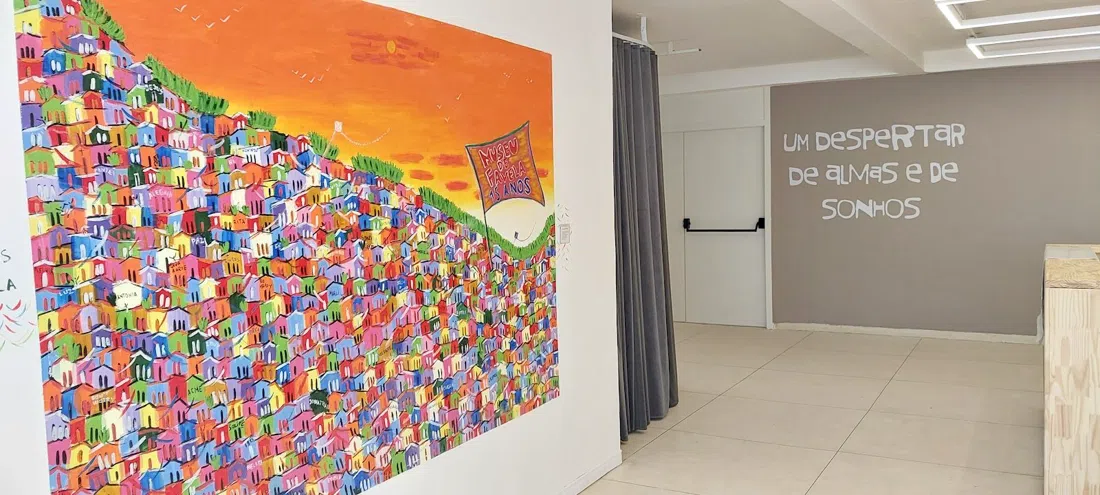
Museu de Favela (MUF), spanning Cantagalo and Pavão-Pavãozinho above Ipanema, calls itself the world's first "territory-museum" — there's no single building holding the collection, because the favela itself is the exhibit, marked with murals and information points across the hillside. Guided territorial walks are bookable directly through the museum, typically R$40–80, with free-to-low-cost general access. A rebuilt headquarters opened in 2026, finally giving MUF a permanent gallery space after seventeen years of working out of improvised rooms — worth asking about on a guided visit, since it's as much a resilience story as anything on display inside it.
Views, Bars and a Kitchen Worth the Climb
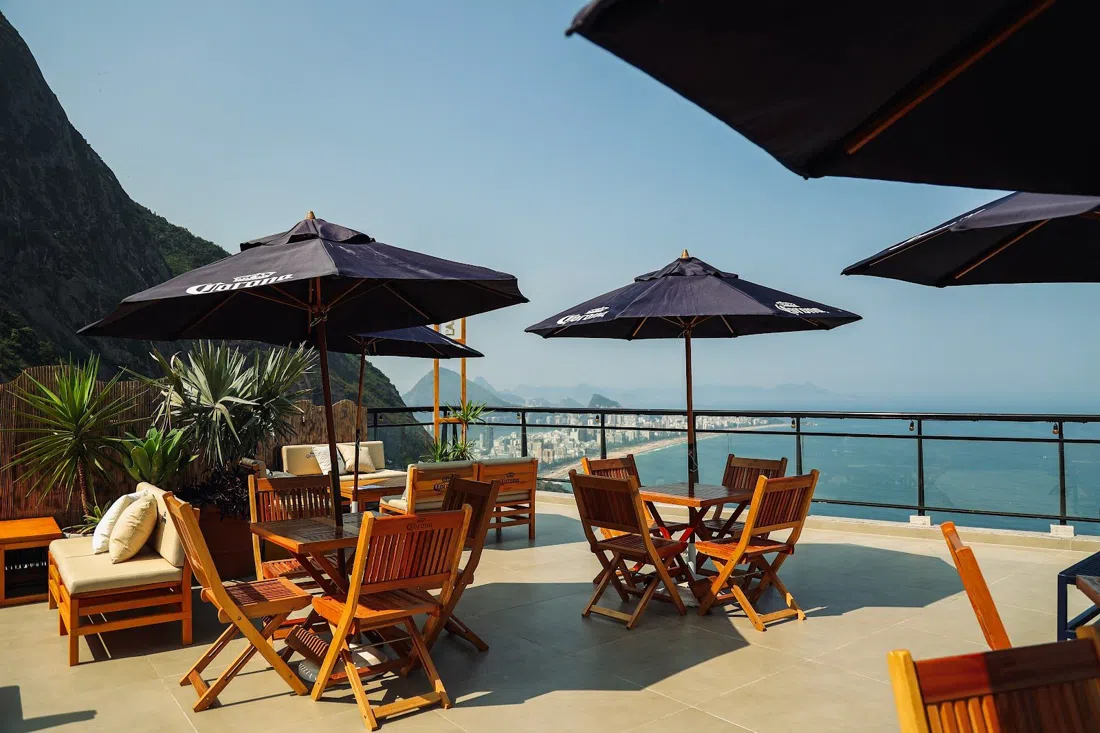
Vidigal, tucked between Leblon and São Conrado, has become Rio's most talked-about favela for exactly the reason its name suggests: the view. Bar da Laje, right in Vidigal, is the best-documented and most reliably open of the hillside bars up here, and it's also worked into several small-group Vidigal bar-hop tours if you'd rather not navigate alone. Mains and drinks run R$25–60. The catch is timing — get there before sunset, because it fills fast and the view is the entire point.
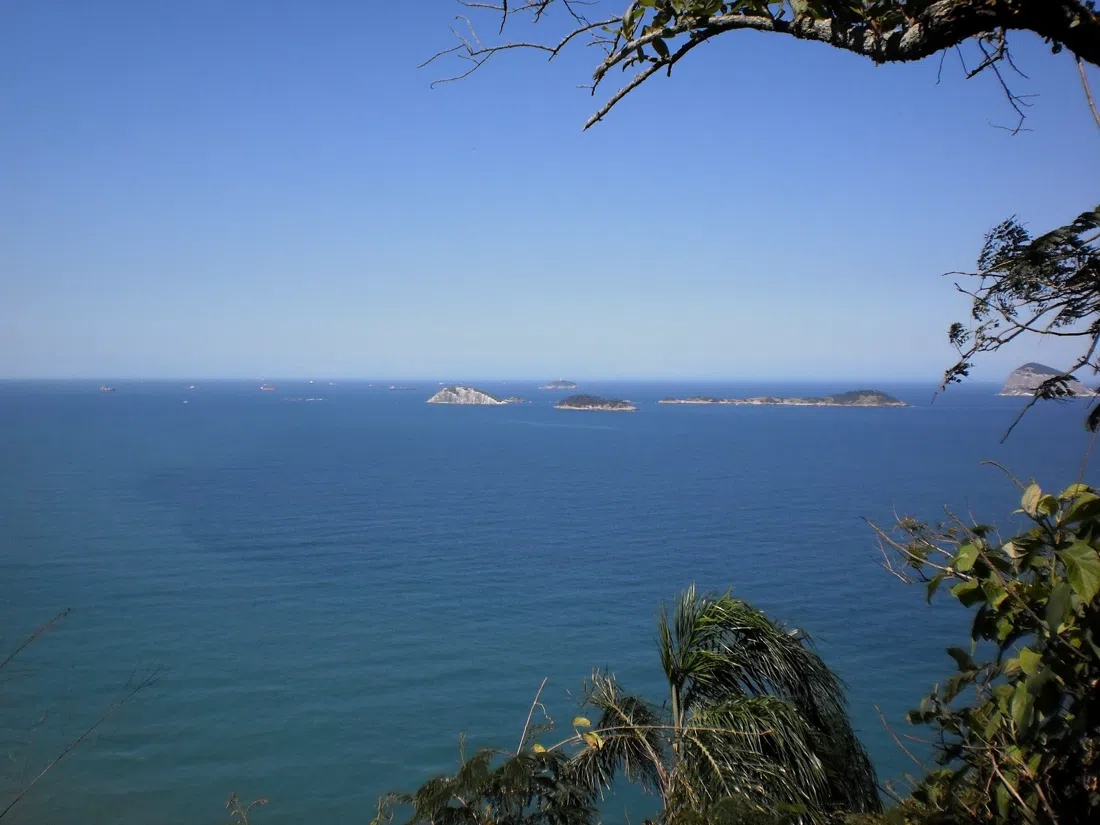
A short walk from the bar strip is Parque Sitiê, also in Vidigal, and the quietest, least-visited stop in this piece. It's a genuinely striking resilience story: over twelve years, resident caretaker Paulinho has turned what was a dumping ground into a public eco-art park, built almost entirely with reclaimed material. Visits are arranged directly with him and take small groups only; it's donation-based, roughly R$20–30. If the piece needs one image of a favela transforming itself from the ground up rather than being transformed by outside money, this is it.
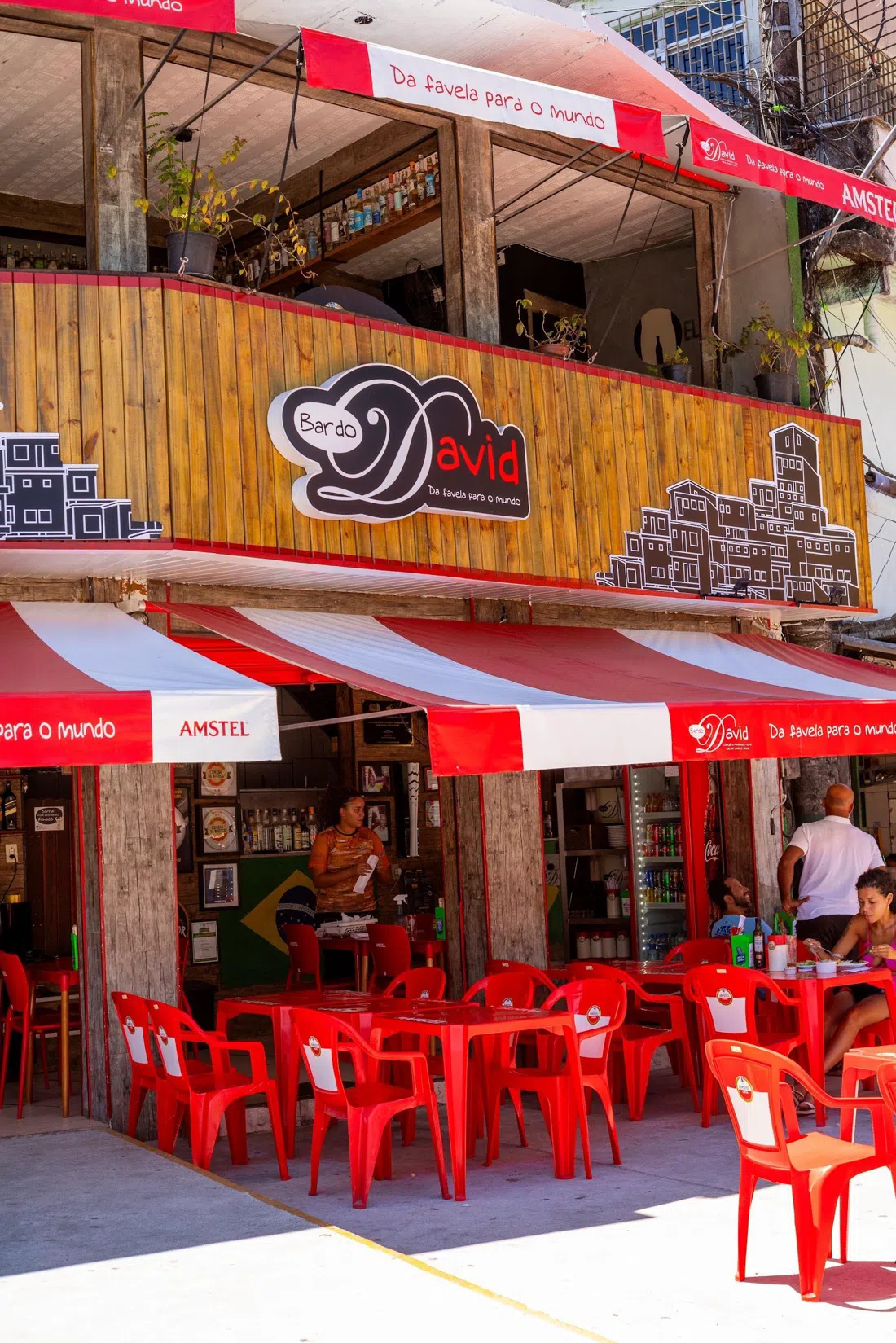
Across the hill in Chapéu Mangueira, just above Leme, Bar do David has quietly become one of Rio's more serious food destinations without losing its neighborhood-botequim feel. Chef David Bispo's seafood feijoada — a coastal riff on the classic black-bean stew — has pulled Michelin-adjacent write-ups without the restaurant changing anything about how it operates: open Tuesday to Sunday, noon to 10pm, mains R$40–90, tables shared with regulars. It suits a couple or a small group equally well and doesn't require booking through a tour operator, which makes it one of the more relaxed entries here.
The North Zone: Alemão's Quiet Resilience
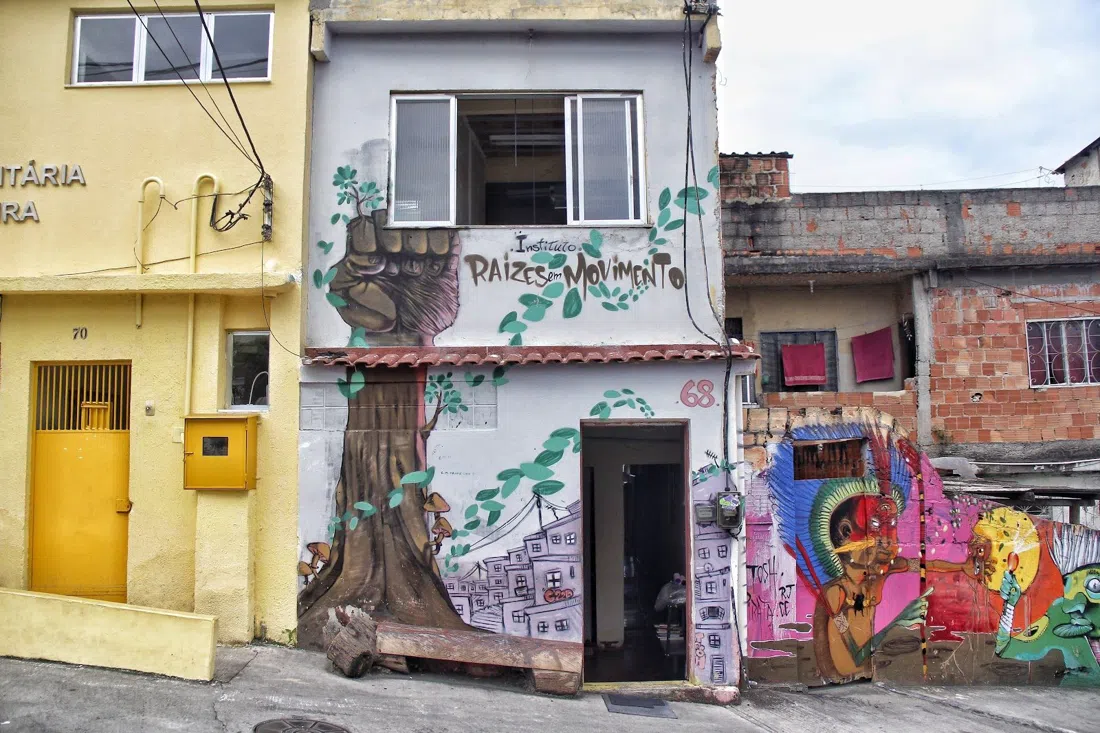
Most favela tourism in Rio clusters around the South Zone hills close to the beaches, which leaves Complexo do Alemão, in the North Zone, badly underrepresented — a gap worth closing, because it has some of the most credible resident-run tourism in the city. Instituto Raízes em Movimento, founded by local youth in 2001, runs themed walks covering Alemão's history, its sanitation infrastructure and its Afro-Brazilian roots. These run periodically rather than on a fixed schedule, so arrange ahead; pricing is by contact, typically low-cost or donation-based. It's worth noting that Alemão's cable car — once the area's signature tourist draw — remains shut for repairs through at least October 2026, which makes a guided walking visit the only real way to see the complex properly right now, not a downgrade from it.
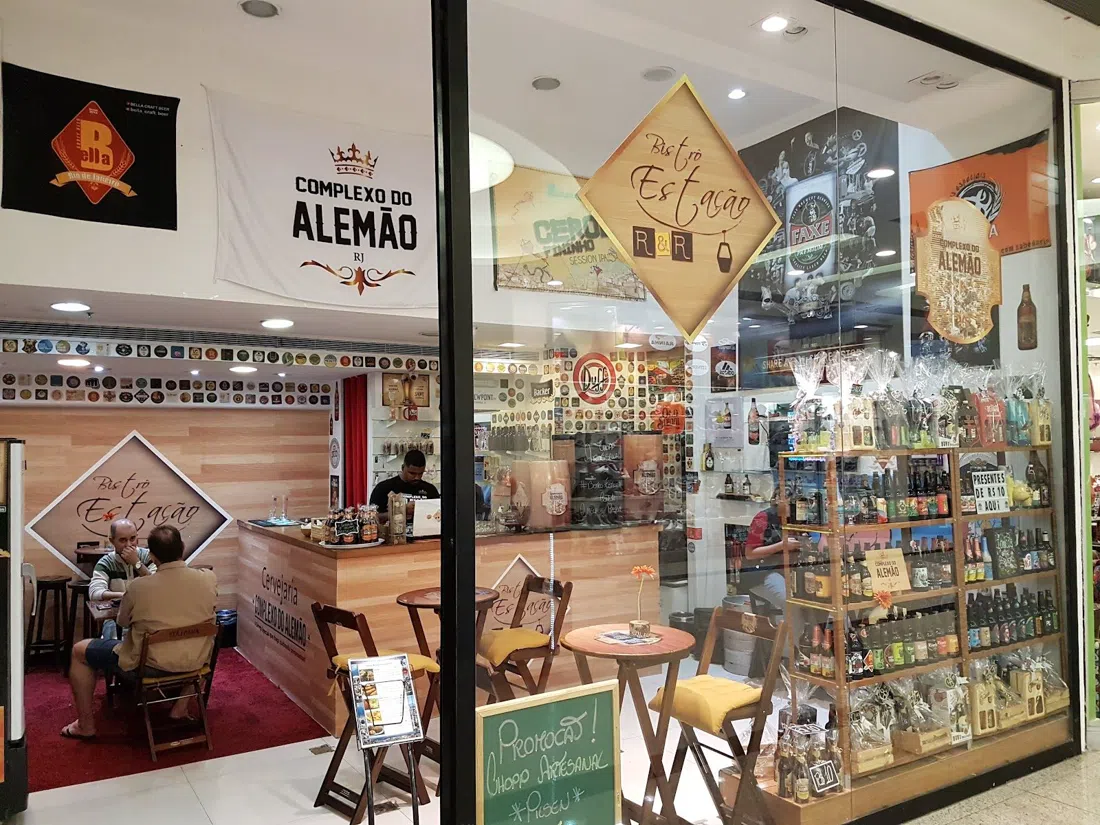
Nearby, Bistrô Estação R&R is the North Zone's answer to the idea that favelas have nothing to offer outside a tour bus. Resident Marcelo Ramos started it in 2012 from a single fridge of beer; it's since grown into a genuine craft-beer bar with a majority-local clientele that also welcomes outside visitors without fuss. Beers run roughly R$15–35. Pair it with an Instituto Raízes walk and you get a North Zone afternoon that most visitors to Rio never see.
Music, Funk and Samba Roots
No honest account of favela culture skips the music, and Rio has two very different ways to experience it.
Baile do Santa Amaro is a guided funk party tour — not a venue you walk into on your own. It's considered one of the best baile funk parties in Rio, typically starting around 1am on Saturday or Sunday nights, and it's guided small-group format only, running R$150–250 including guide and transport. The strong advice here is to book only through a vetted local-guide operator and never go freelance: conditions at baile funk parties shift week to week, and the informal version of this night is not one to improvise as a visitor.

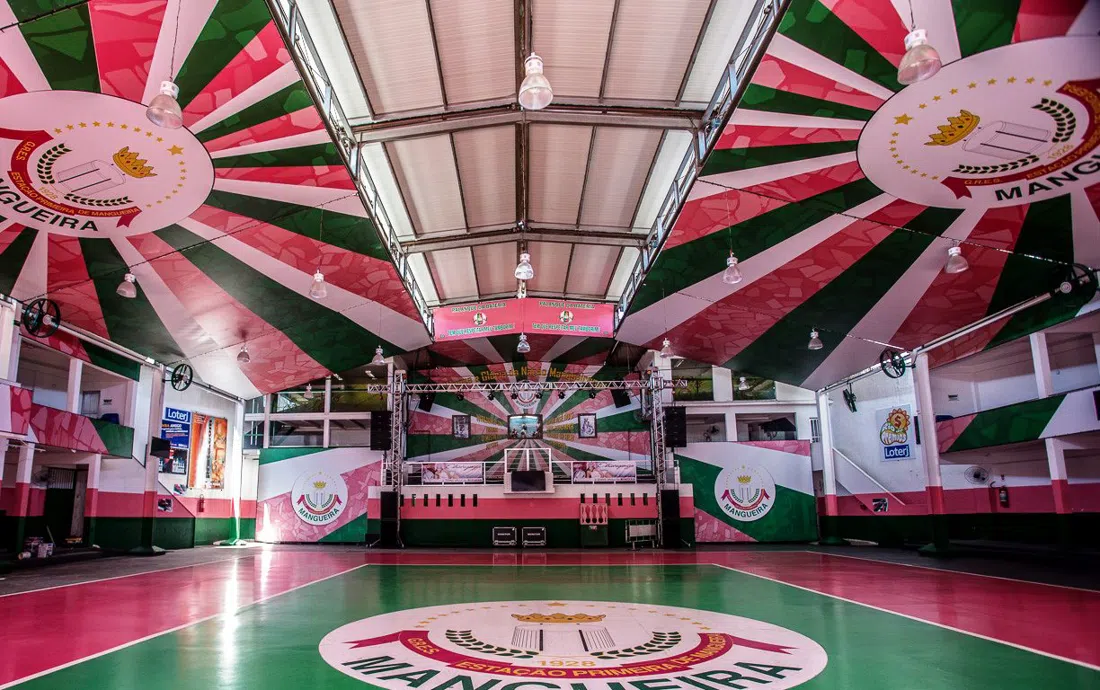
At the other end of the spectrum, in timing and formality, is G.R.E.S. Estação Primeira de Mangueira, one of Rio's most decorated samba schools, based in and still rooted in its home favela in the North Zone. Public rehearsals run on Saturdays from August through February, with additional technical rehearsals in the run-up to Carnival — entry ranges from free to R$50 depending on the night, with VIP box options for a more comfortable view of the drum section in full flight. Mangueira is the clearest living line from favela culture to Carnival's global stage, and unlike Baile do Santa Amaro, it takes groups comfortably and doesn't require a specialist operator to attend.
Planning the Trip: Transport, Cash and Timing
Treat every favela visit as a guided one, even where a location technically allows independent access — locals know current safety conditions block by block, and conditions can shift week to week in ways no article can track in real time. Book community tours directly with the operators named above rather than through unrelated resellers, since a share of the fee funding local schools or cultural centers is often the point.
Bring cash. Card readers exist at some bars but are unreliable higher up the hill, and small tour operators, Casa Amarela donations and Parque Sitiê's entry are cash-only in practice. R$100–150 (roughly US$20–30) covers a single guided tour comfortably; budget R$300–400 for a fuller day combining a morning walking tour with an afternoon stop at Bar da Laje or Bar do David.
Uber and licensed taxis reach the base of most of these communities without issue; from there, tours typically walk or use local mototaxis and vans as part of the fixed price. Mornings suit the history-focused walks in Providência and Alemão, when it's cooler and guides have more time; late afternoon into sunset is right for Vidigal, timed to be at Bar da Laje as the light drops. Baile do Santa Amaro runs on its own late-night clock and should be booked as a standalone outing, not tacked onto a daytime itinerary.
For where to base yourself, the Rio De Janeiro hotel search covers everything from Copacabana to Ipanema and Botafogo, all of which put you within a short ride of the tours above; for the rest of the city beyond the hillside communities, the Rio De Janeiro guide has the full picture.