
Most cities push their wilderness out past the ring road; Rio grew up around its jungle instead, and the result is a rainforest you can walk into after breakfast and be standing in cloud-forest air twenty minutes later. Tijuca Forest is the largest urban rainforest on the planet, hand-planted back over these hillsides in the 1860s under Emperor Pedro II after coffee farming had stripped them bare and threatened the city's water supply — and it now sits like a green lung directly above Copacabana, Ipanema and Botafogo.
This is a working guide to hiking it properly in 2026: which summits reward a couple of hours of effort, which viewpoints you can reach without breaking a sweat, and which climb genuinely requires a rope, a helmet and someone who has done it before.
The summit that started it all
Pico da Tijuca, the literal high point of Tijuca National Park at 1,021 metres, is the trail every other hike in the forest gets measured against. It's walkable self-guided on a clearly marked path, or with any of the park's guide operators, and it's genuinely fine for groups of any size right up until the final approach, where the trail narrows into a boulder scramble onto the summit rock — that last stretch gets crowded fast, especially mid-morning once tour vans start arriving. Entry to the park is free; guided tours run roughly R$150–345 per person depending on group size and operator. Two numbers are worth remembering: 2pm and 5pm. The park stops admitting hikers onto the summit trail at 2pm, and the whole park closes at 5pm, so start early — both to guarantee entry and to beat the cloud cover that rolls in most afternoons and can erase the view completely. Sunrise starts are the local trick, and they work: clear skies over Sugarloaf and the bay are far more reliable before 9am than after lunch.
Two viewpoints you reach by car, not on foot
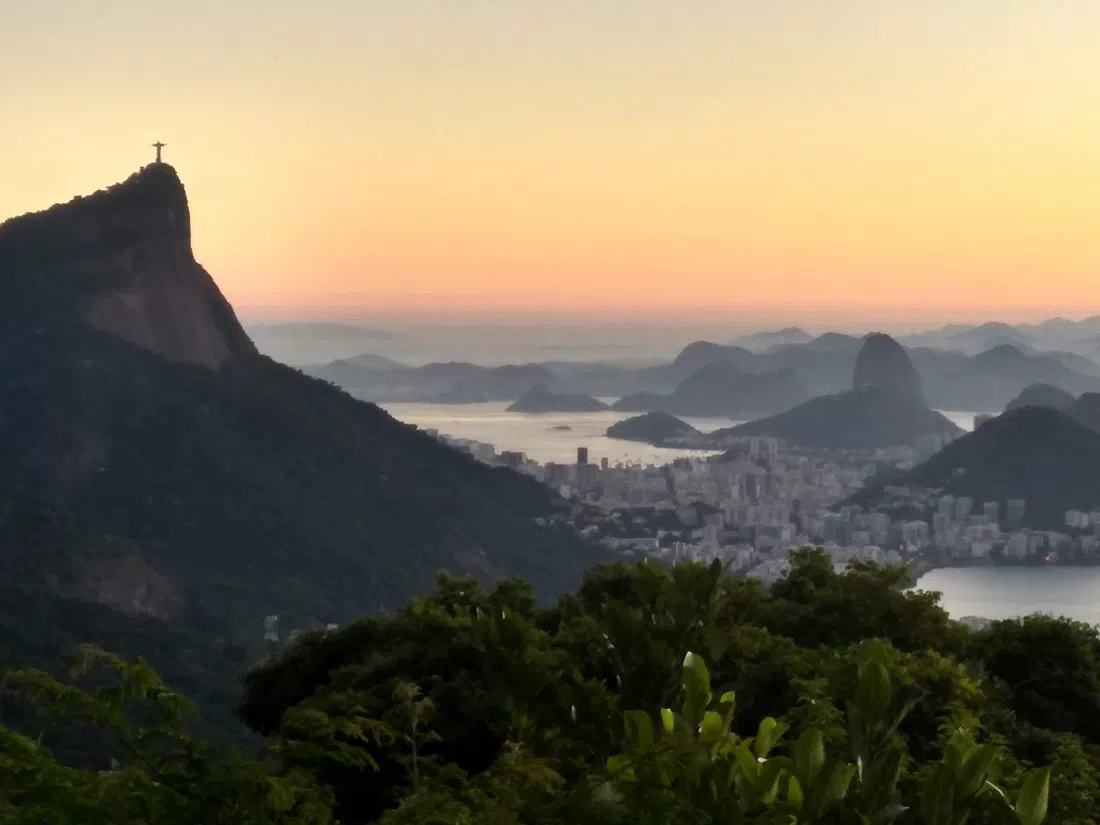
Not every good view in Tijuca requires a hike, and it's worth saying that plainly rather than pretending otherwise. Vista Chinesa, a pagoda-style pavilion above Alto da Boa Vista built to honour the Chinese tea growers who once worked these hills, is the postcard shot of Rio — the lagoon, the beaches and the curve of the coast laid out below in one frame. It's car or bike access only, with vehicles permitted weekdays 9am–5pm; there's no public transit up, and the viewpoint itself is wheelchair-accessible, which makes it one of the few genuinely inclusive lookouts in the park. Go at sunrise if you can manage it — by mid-morning it's a queue of ride-share cars and tripods jostling for the same three metres of railing.
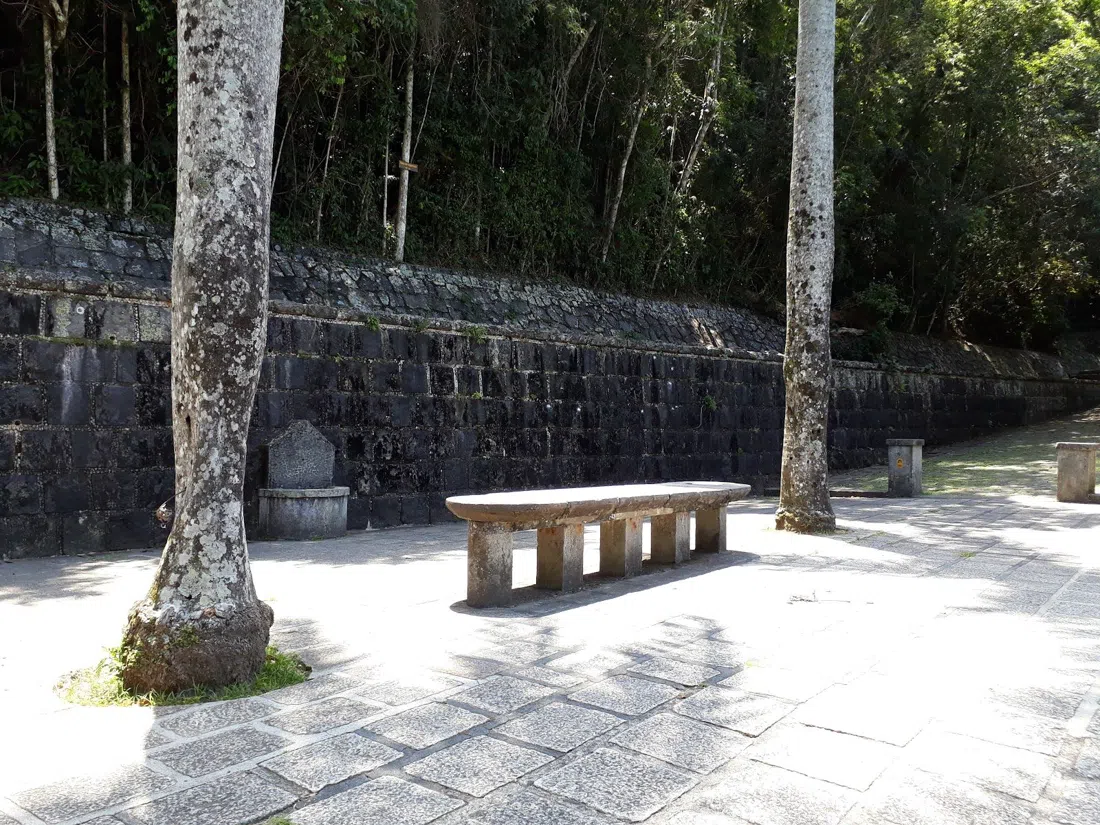
Mesa do Imperador, a short drive further into Alto da Boa Vista, is the quieter alternative: a stone table and benches where Dom Pedro II's family genuinely used to picnic in the nineteenth century, still free, still largely empty outside weekends. Like Vista Chinesa it's car or bike access only — no walking trail connects it to the road network — but it works well for groups arriving together by van or bike tour, since there's room to spread out rather than fight for a single viewing spot.
Parque Lage: where the real hike begins
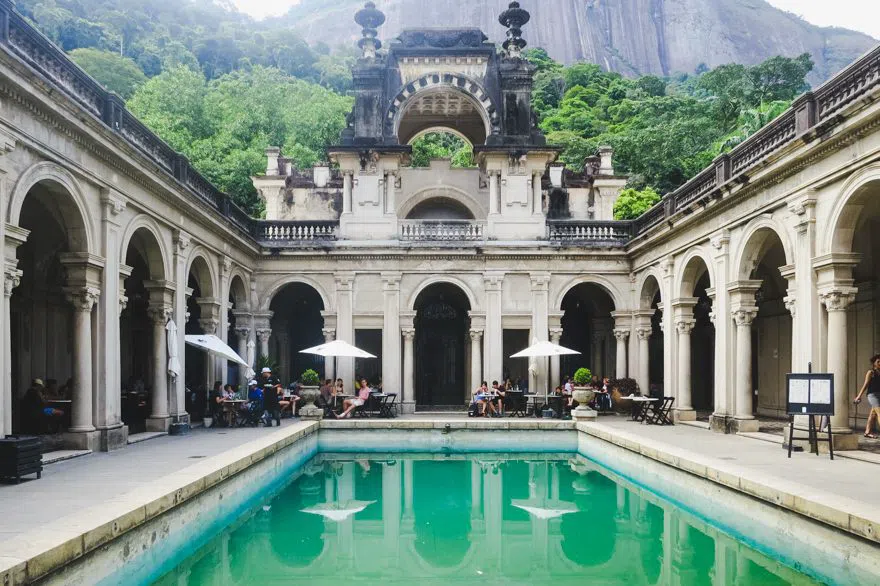
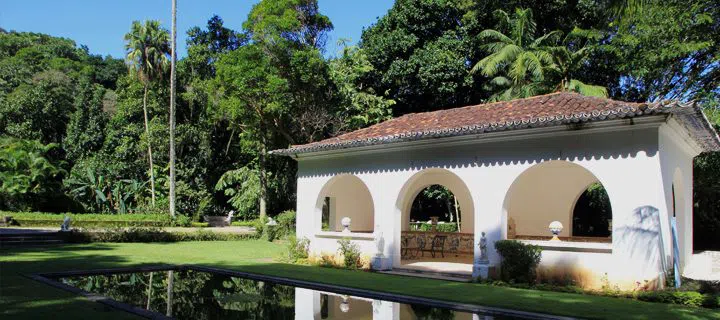
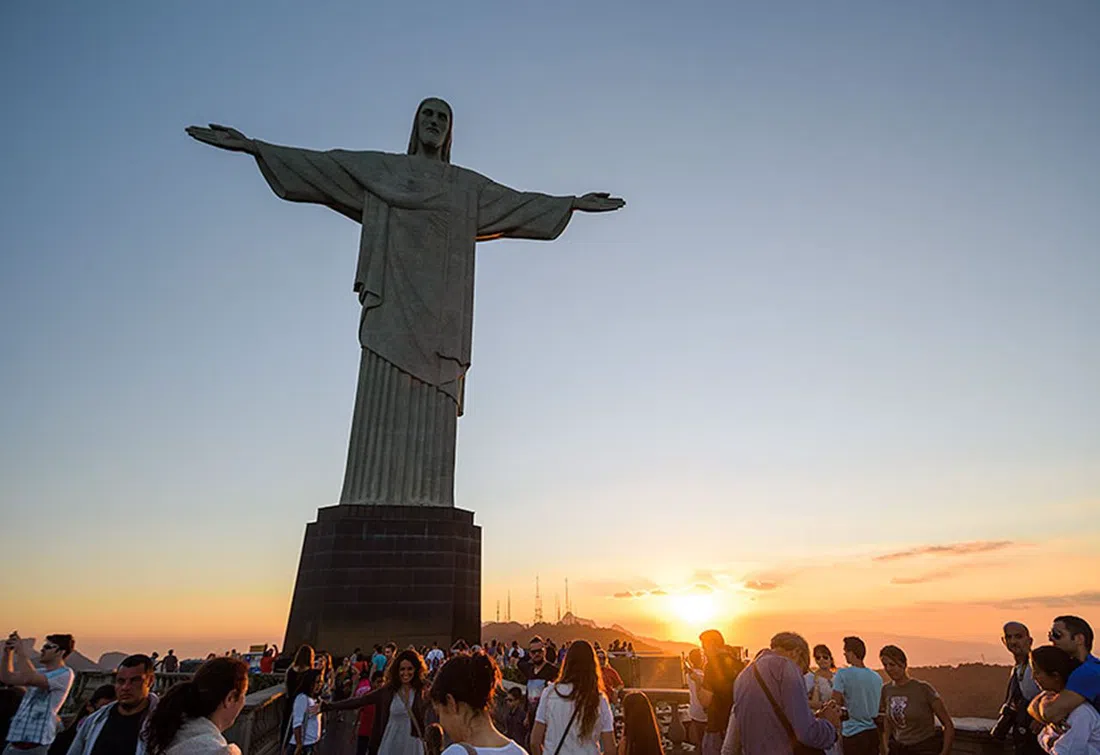
If Vista Chinesa is the postcard, Parque Lage, at the foot of Corcovado in Jardim Botânico, is the opening scene. The nineteenth-century estate has a mirrored reflecting pool with the Christ the Redeemer statue framed directly overhead — arguably the single most photographed non-summit spot in the park — and the grounds themselves welcome groups of any size for free. The trail that continues past the formal gardens toward the Corcovado summit is a different matter entirely: steep, technical, and not something to wander onto casually. Cap informal groups at around 8–10 people with a proper guide, roughly R$150–250 per person, and treat the manicured park as the calm before a genuinely wild stretch of forest.
A chapel with a secret, and a museum among the ferns
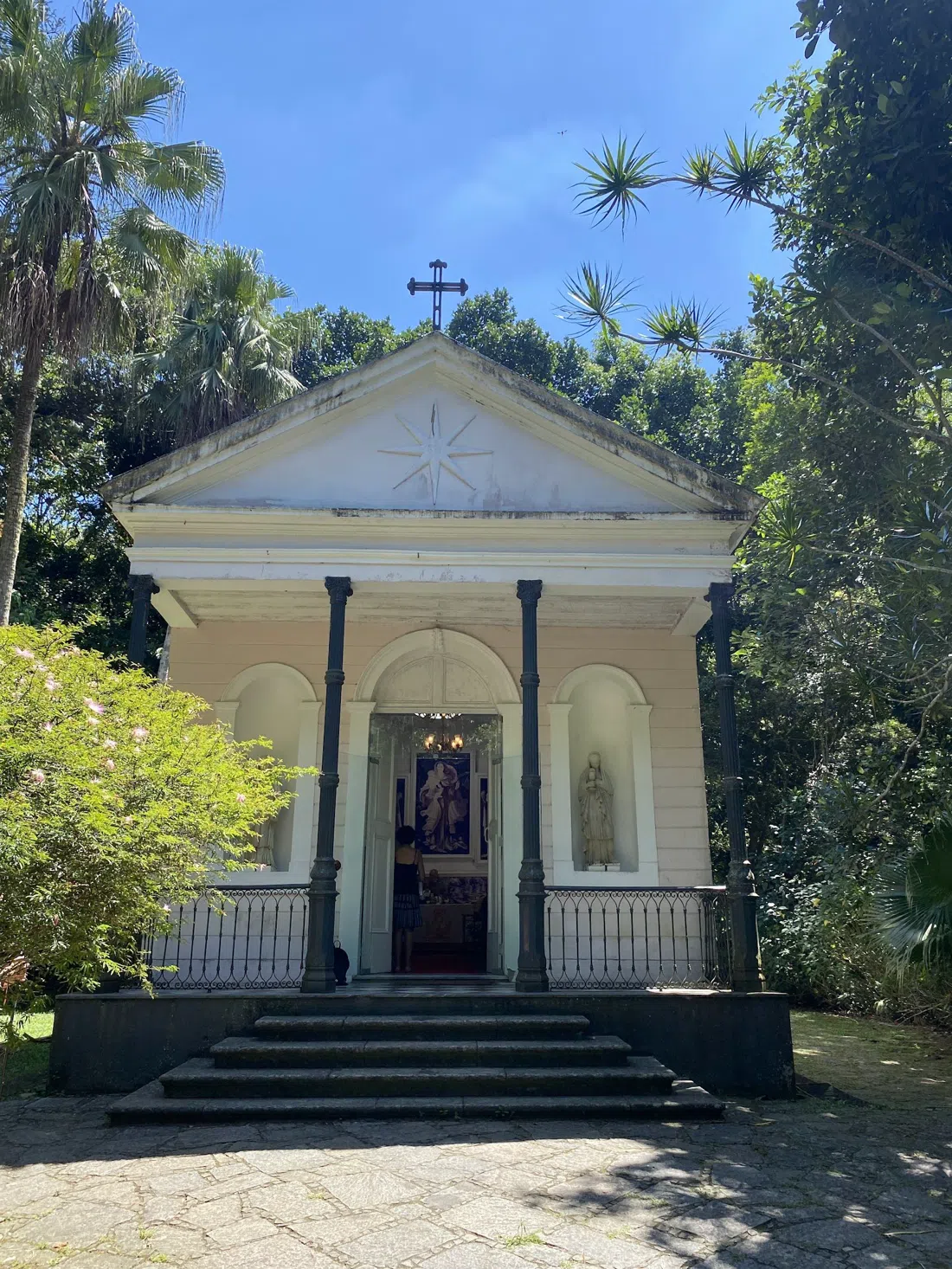
Two stops in Tijuca reward readers who want more than a view. Capela Mayrink, folded into the longer trail circuits near Alto da Boa Vista, is easy to walk straight past — a modest nineteenth-century chapel that most itineraries treat as a five-minute detour. Step inside and there's an original Cândido Portinari fresco on the wall, tucked mid-forest where almost nobody expects to find religious art at all. It only comfortably fits small groups, so it works best as a quick stop folded into a longer guided circuit rather than a destination on its own; entry is free.
Museu do Açude, also in Alto da Boa Vista, pairs a modernist art collection with formal gardens set directly into the rainforest — azulejo tiles, sculpture, and a genuinely underused stretch of Tijuca that most visitors skip entirely in favour of the summits. General admission runs roughly R$10–14, and it's free on Thursdays, which is worth building an itinerary around if the date lines up. The garden paths are narrow, so keep groups small, and confirm opening days before making the trip out — like a lot of Rio's smaller museums, it doesn't run daily.
The easy summit, and the one that isn't
Tijuca has two hikes that share a name pattern — Pedra Bonita and Pedra da Gávea — and almost nothing else, and conflating them is the single most common planning mistake readers make.
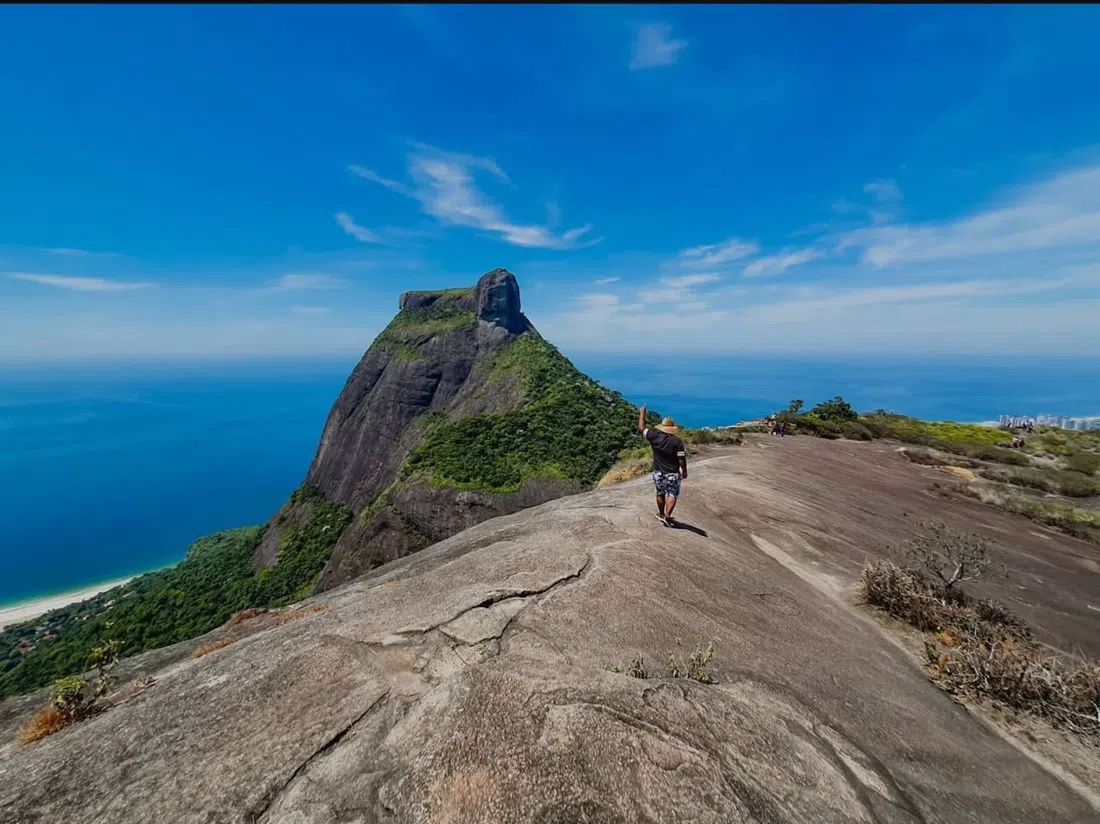
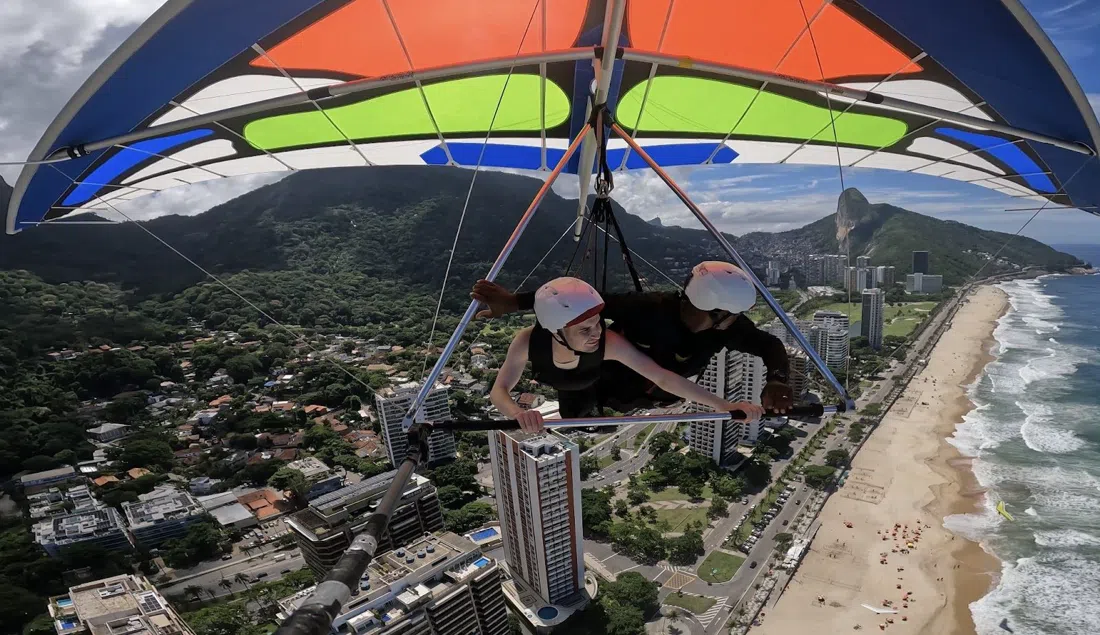
Pedra Bonita, above São Conrado, is the easy-moderate big-view hike: a well-worn trail suited to most fitness levels, walkable self-guided for free or with an operator for R$279–345 per person, and it's also the local hang-gliding launch point, so there's a decent chance of watching paragliders take off from the summit rock while you catch your breath. Operator listings run groups up to roughly 28 people, which makes it the natural choice for a mixed-fitness travel group where not everyone wants a hard climb.
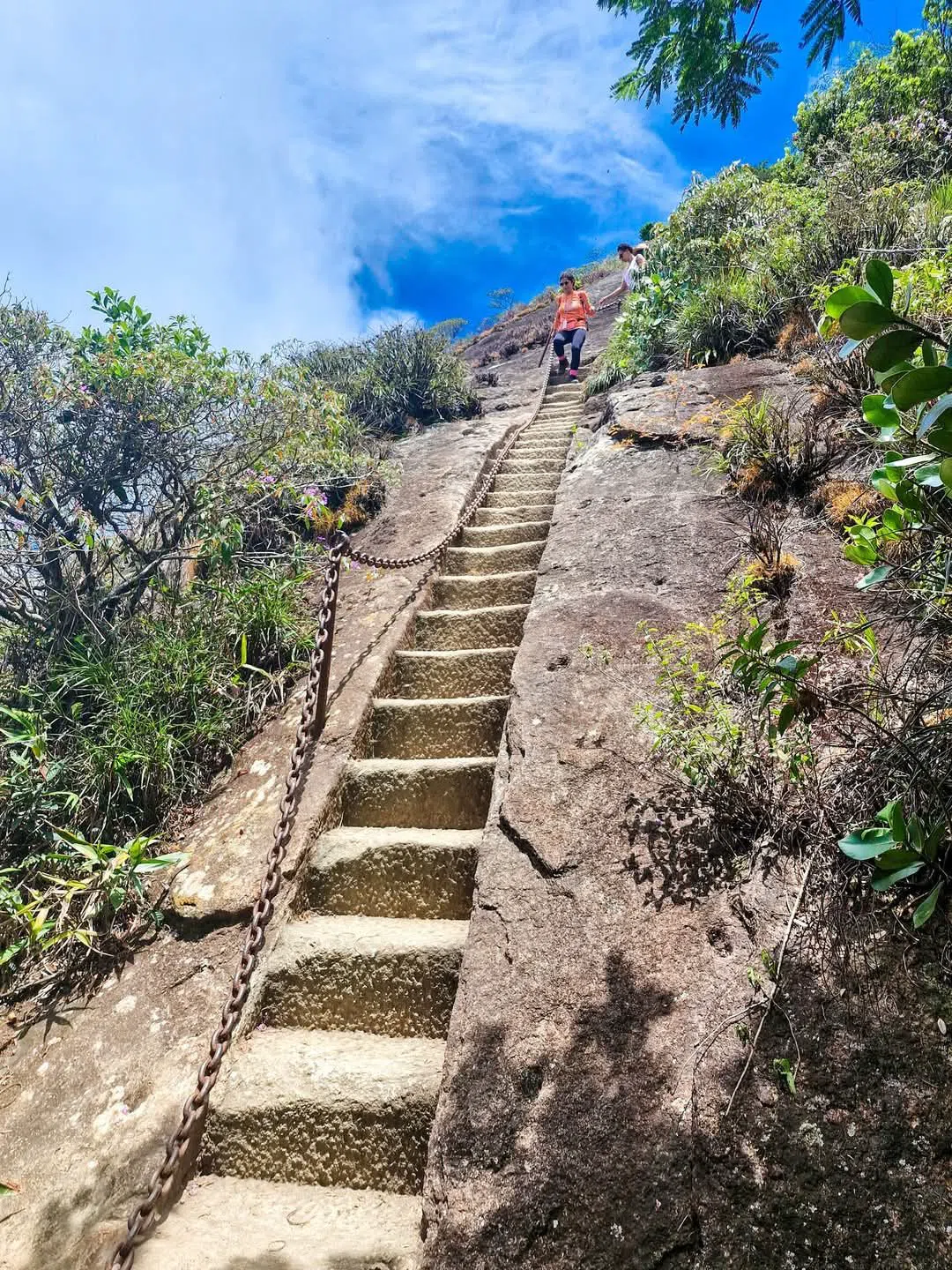
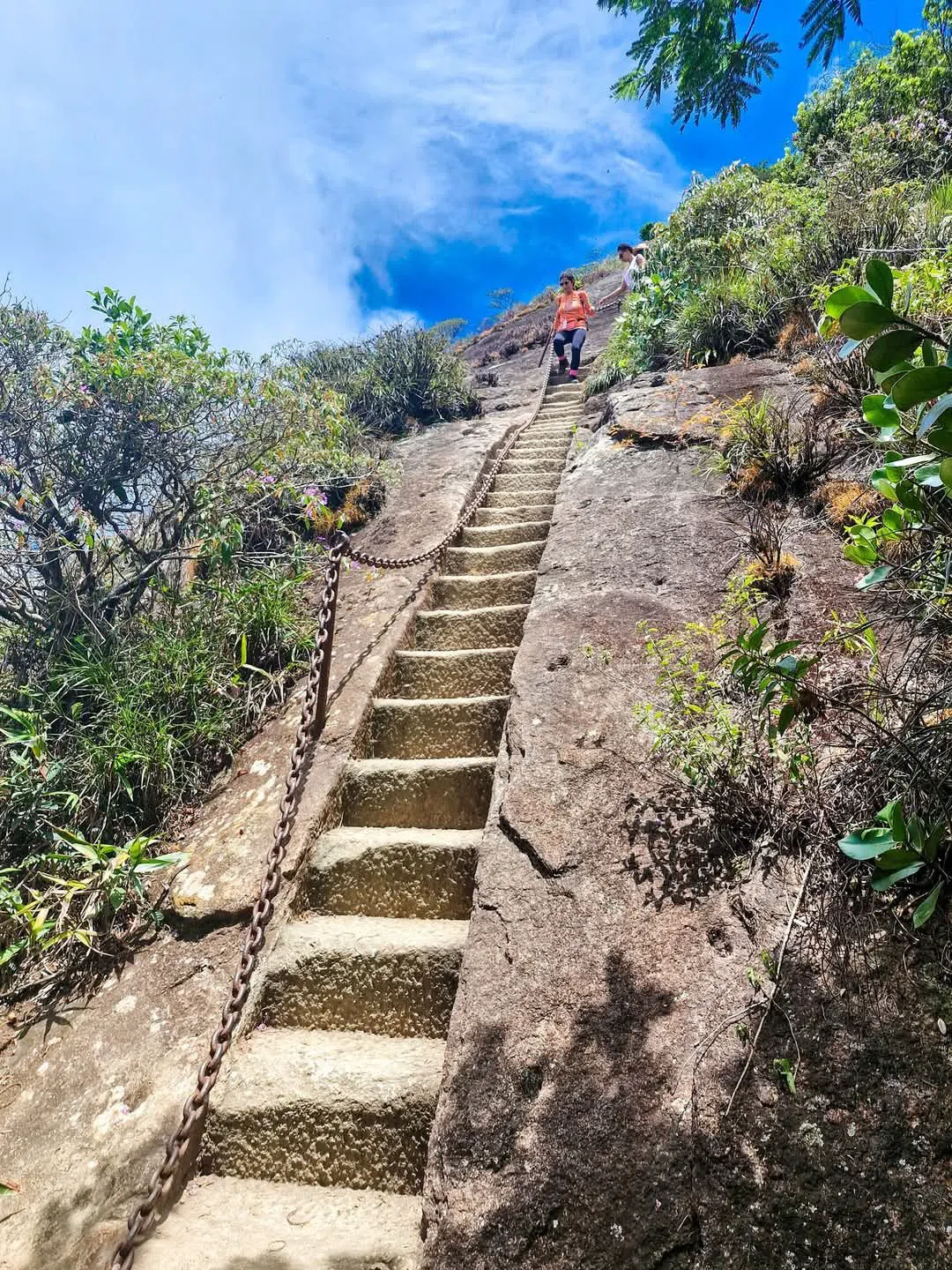
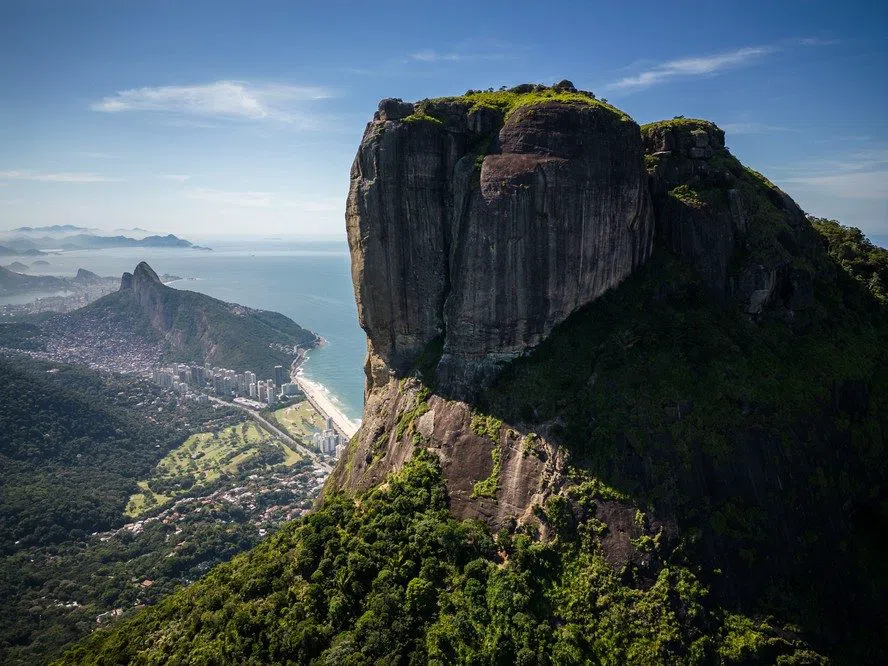
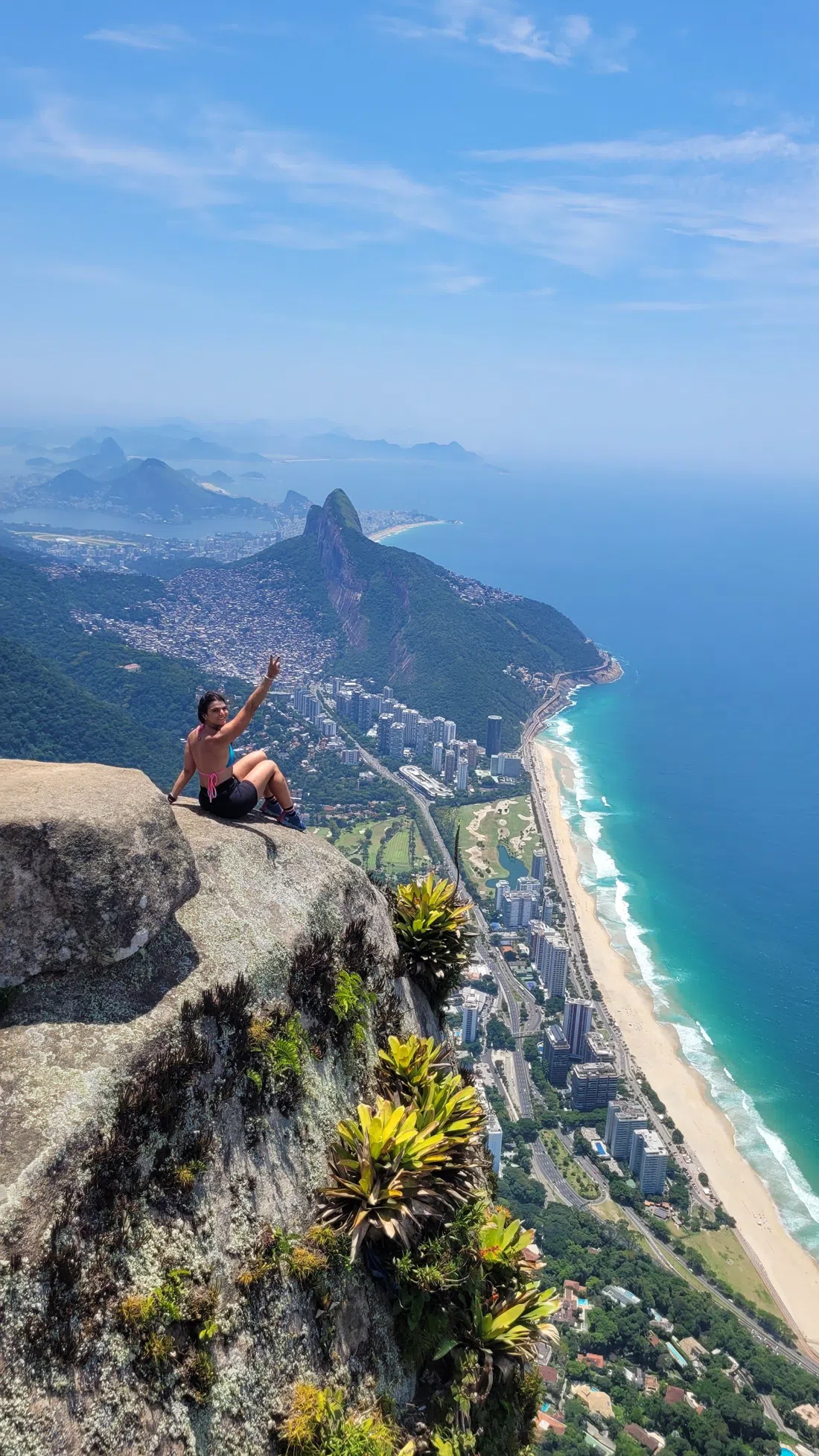
Pedra da Gávea, rising above the same São Conrado stretch, is the trophy hike of the whole forest, and it needs to be flagged clearly: this is not a solo or beginner outing. The final approach involves an actual climbing section with fixed ropes, and a certified guide is mandatory — not a suggestion — with groups kept small, generally 10–12 people maximum. Guided-only tours run roughly R$350–450 per person with gear included. The reward is real: an 844-metre monolith with one of the widest views in Rio, taking in the ocean, the forest canopy and the city in a single sweep. But this is the one hike in this guide where the honest advice is simply: don't attempt it without a certified operator and the right gear, regardless of how confident the trail photos online make it look.
Walking a piece of Brazil's longest trail
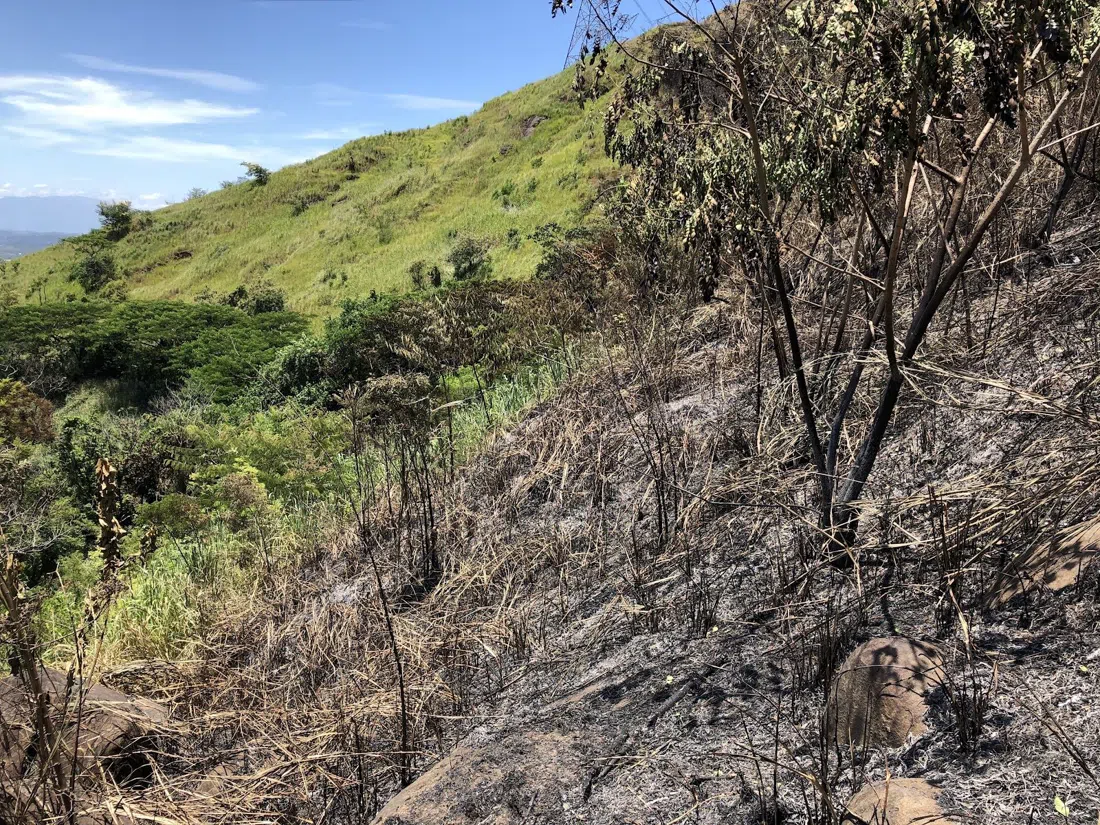
Tijuca isn't just a set of individual hikes — it's also a short stretch of something much bigger. The Trilha Transcarioca is Brazil's first long-distance trail, a roughly 180km route running from Barra da Tijuca to Camorim, and the section that crosses Tijuca Forest is one of the best single-day introductions to it: free, self-guided, and suited to groups of any size. For readers who like the idea of walking a named long-distance trail without committing to the full multi-day version, this is the taste — a way to say you've hiked a piece of it, in an afternoon, without a permit or a guide.
Picking an operator
For anything beyond the free self-guided trails, three operators cover most of what a visiting hiker needs. Rio Hiking is one of the city's original adventure-tour outfits, running both small private tours and larger backpacker-style group departures for roughly R$300–400 per person — a solid default for travellers who want Tijuca bundled with other day trips outside the city. RioXtreme is the specialist to book for Pedra da Gávea specifically: certified, bilingual guides, climbing gear included, small groups capped around 10–12 given the technical terrain, priced roughly R$350–450 per person — and their tours regularly sell out, so book ahead rather than assume a spot is available on short notice. Rio Adventures is the better fit for the easier Pedra Bonita hike and for families or larger groups, accommodating 2–28 people with per-person pricing that drops as the group grows, generally R$279–319 per person.
Getting there, cash and timing
Tijuca National Park has no direct metro or bus line into its interior — Uber or a taxi to the trailhead is the standard approach, and it's worth agreeing a pickup point and time with the driver in advance for viewpoints like Vista Chinesa and Mesa do Imperador that have no other way in. Guided tours from any of the three operators above typically include transport from your hotel, which is the simplest option if you're not renting a car. Bring cash — small entrance fees, guide tips, and stops like Museu do Açude aren't reliably set up for card payments, and there's no ATM inside the park itself. Start early: the 2pm summit-trail cutoff and 5pm park closing on Pico da Tijuca apply broadly across the park's guided activities, and Rio's afternoon cloud cover is a genuine risk to the views you're hiking up for, not just a minor inconvenience. Budget a half-day for a single summit or viewpoint, a full day if you're pairing a hike with Museu do Açude or Capela Mayrink, and treat Pedra da Gávea as its own dedicated day rather than something to tack onto another itinerary. For where to base yourself before an early start, the Rio De Janeiro hotel search covers options near Jardim Botânico and Alto da Boa Vista, both a shorter run to the trailheads than staying purely beachside; for the rest of the city beyond the forest, the Rio De Janeiro guide is the wider starting point.