The Rio De Janeiro issue
The Maracanã Match-Day Ritual: A Local's Guide to Game Day in Rio
The match is only the centre of the afternoon — here is how to spend a Maracanã game day like a Carioca, from the tiled boteco to the samba hall next door.

By Marit VanderbergRio's neighbourhoods, staircases and cable-car views
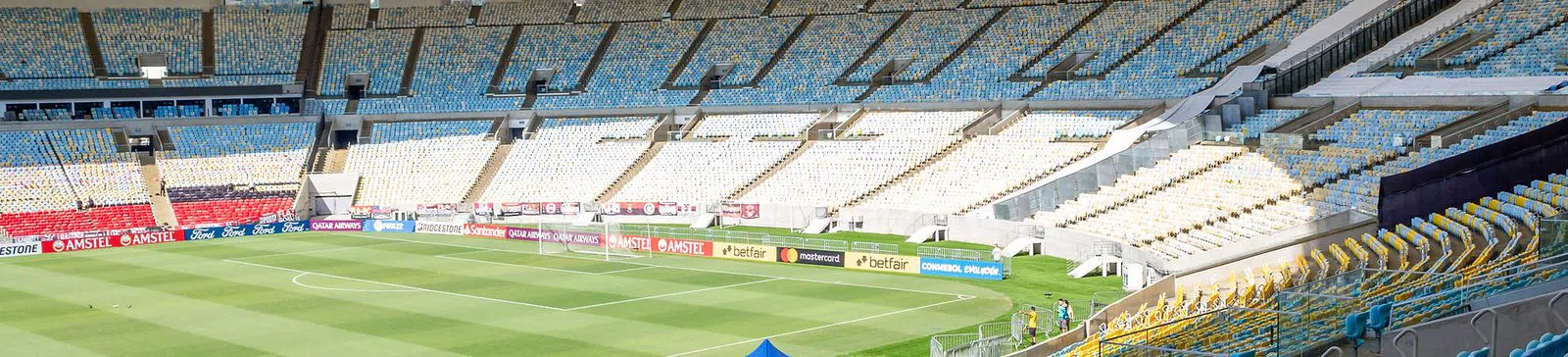
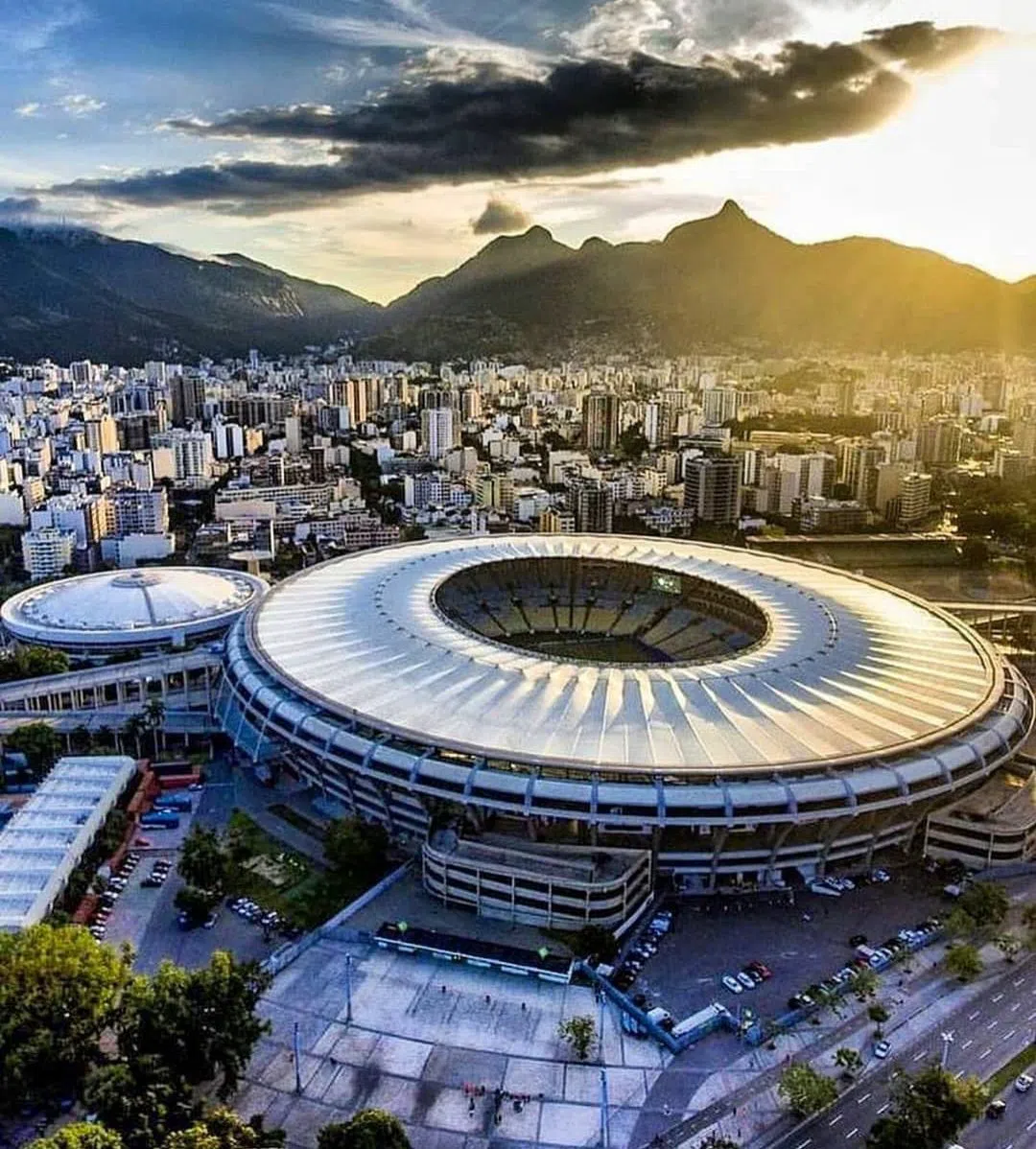
The Maracanã does not fill the way an English ground fills, in a slow tidal creep from the pubs at two o'clock. It fills late and all at once, in a surge of drums, flags and bus-loads from the North Zone that arrive with the choreographed lateness of people who have done this a thousand times. To understand game day in Rio de Janeiro you have to understand that the ninety minutes are the smallest part of it — the ritual begins hours earlier in a tiled bar with a cold chopp, and if you time the fixture well, it ends after dark in a samba hall a few hundred metres from the turnstiles.
This guide is built around that longer afternoon. It is honest about which places suit a rowdy group of ten and which suit two people who actually want to taste their food; about the door realities, the booking, the money and the metro; and about the one piece of modern admin that trips up almost every first-time visitor. Everything named below is somewhere I would send a friend, and nowhere is chosen for the sake of a list.
The shape of a Carioca game day
A Rio match day has a rhythm that rewards patience and punishes anyone who treats the stadium as the whole event. The pattern, roughly, is this: gather in a neighbourhood boteco two or three hours before kickoff, eat something substantial, drink slowly, and then move to the ground as a single group when the streets outside begin to thicken. The neighbourhoods that ring the Maracanã — Tijuca, Vila Isabel, Praça da Bandeira and the streets immediately around the stadium in Maracanã itself — are where that pre-game life happens, and they are the reason a match here feels like a day out rather than a transaction.
One practical thing to settle before anything else: since 2025 the Maracanã uses facial-recognition entry, and every single spectator must register their face and ticket in advance. There is no buying a ticket from a tout on the concourse and wandering in. If you book a hosted experience the operator handles this registration for you; if you buy independently, you must complete it yourself before the day, or you will not get through the gate. Sort this first, then plan the drinking.
Plan your Rio De Janeiro trip
Live prices from our booking partners.
Free cancellation on many rooms. We may earn a commission when you book.
Warming up: the botecos near the ground
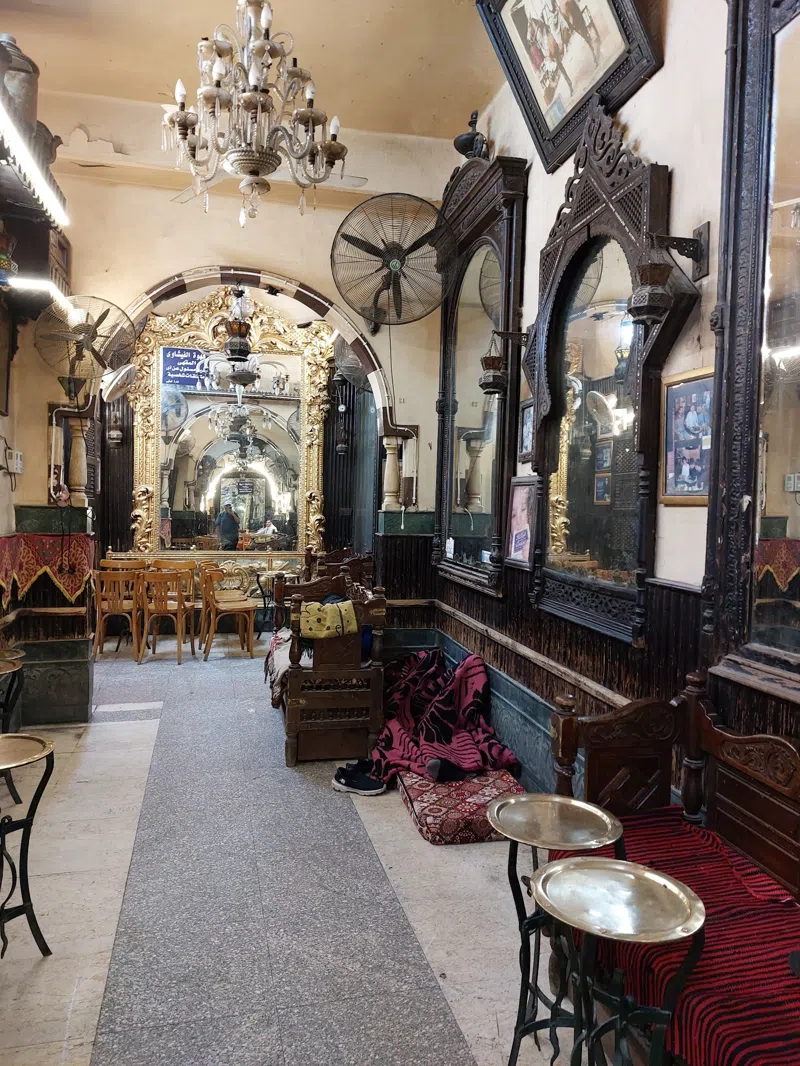
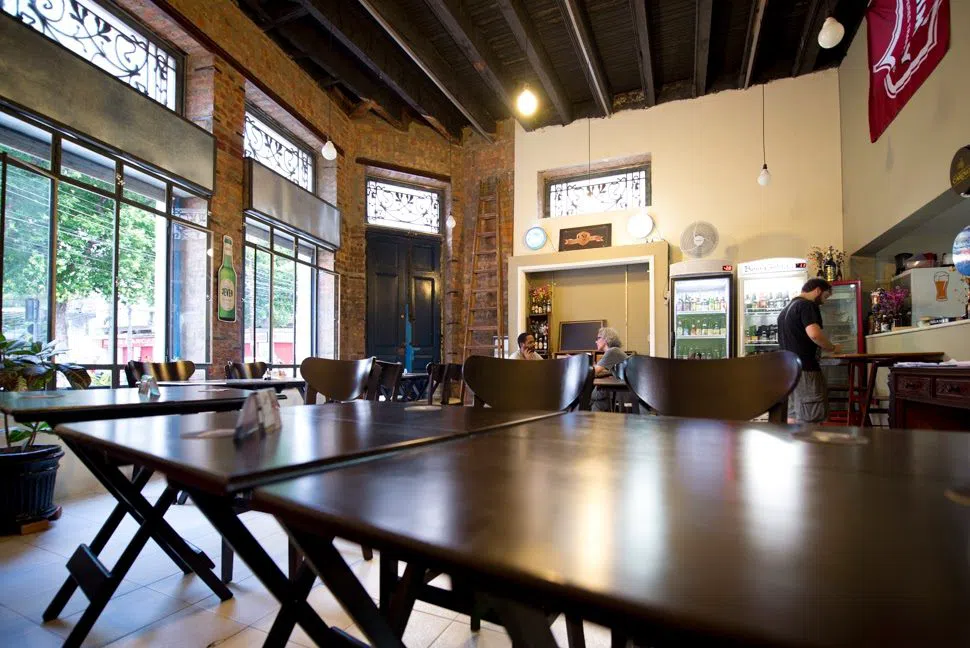
The boteco — the neighbourhood corner bar, all tiled walls, paper napkins and waiters in buttoned shirts — is the natural home of a Rio pre-match. It is cheap, it is loud in the right way, and it absorbs groups without ceremony.
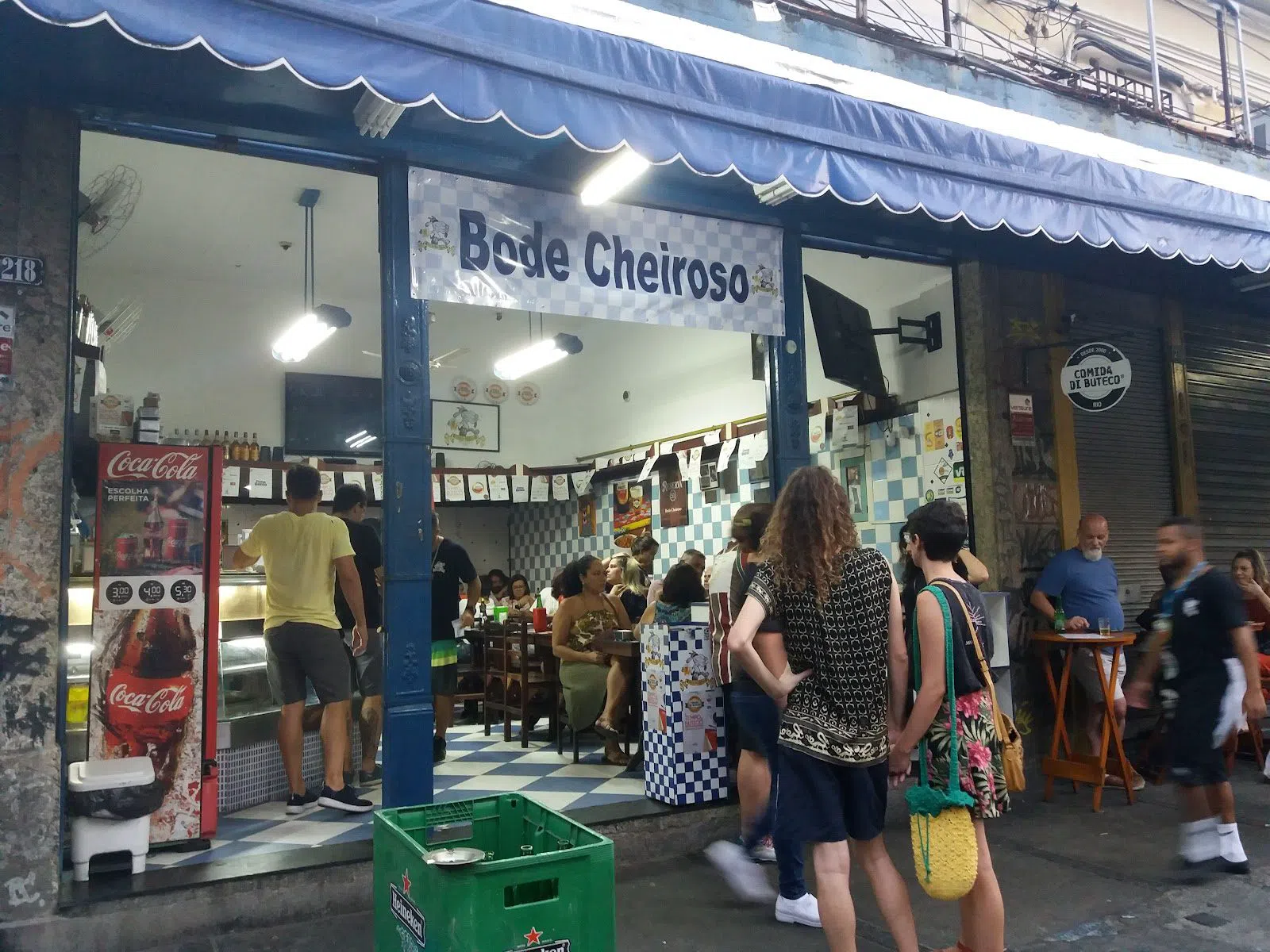
The closest institution is Bar do Bode Cheiroso in Maracanã, a 1940s family boteco that carries official Carioca Cultural Heritage status and a large terrace that swallows match-day crowds whole. There is no door policy and no booking; you walk in, you find a corner, you order chopp at around R$8–12 a glass and you settle in. It is walkable to the stadium, which is the whole point — you can drink here and be at the turnstiles in minutes. Be warned that the service turns brusque when the place is heaving, which on a big fixture it will be. This is a bar for a group that wants buzz over comfort, not for a quiet conversation.

A short metro hop north, in Tijuca, sits Bar do Momo, a fifty-year-old Heritage-listed classic and a past winner of Comida di Buteco, the city's beloved bar-food competition. It sprawls out onto the pavement, so a group of eight or ten fits without fuss, and the waiters are the buttoned-shirt old guard who have seen every kind of match-day crowd. If your fixture falls on a Friday, the feijoada is the order — a full bean-and-pork stew that will carry you through to the final whistle. Prices sit firmly in cheap-boteco territory. This is the most authentic North-Zone warm-up on the list, and the metro ride to the ground is part of the ritual rather than a chore.
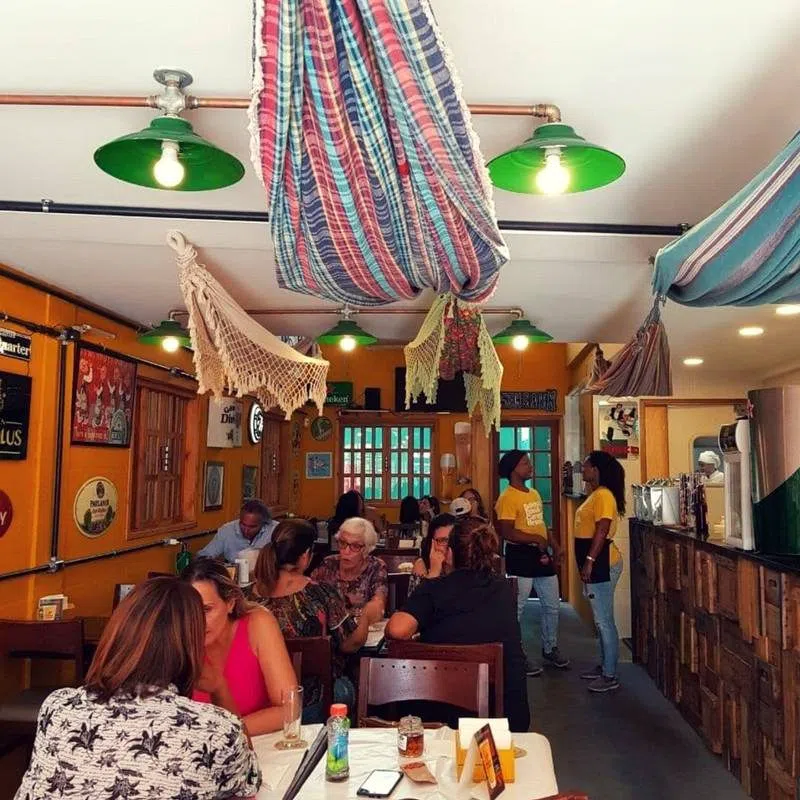
If you would rather eat properly than drink hard — and this is the honest advice for couples or a smaller, food-minded group — go to Aconchego Carioca in Praça da Bandeira. This is chef Kátia Barbosa's bar-restaurant and the only Rio bar to hold a place in the Michelin Guide, which tells you both about the kitchen and about the fact that it is a sit-down room rather than a terrace scrum. It is closed on Mondays, and on match days a booking is not optional but essential; mains run around R$60–90, mid-range by the standards of this guide and worth every real. Bring a big rowdy party here and you will feel out of place; bring four people who want the best food within walking distance of the Maracanã and you have found it.
For the beer-minded: craft over chopp
Brazilian mass-market chopp is a joy in its own right — cold, cheap, endlessly refilled — but if your group counts a few beer nerds, Rio has grown a proper craft scene near the ground.
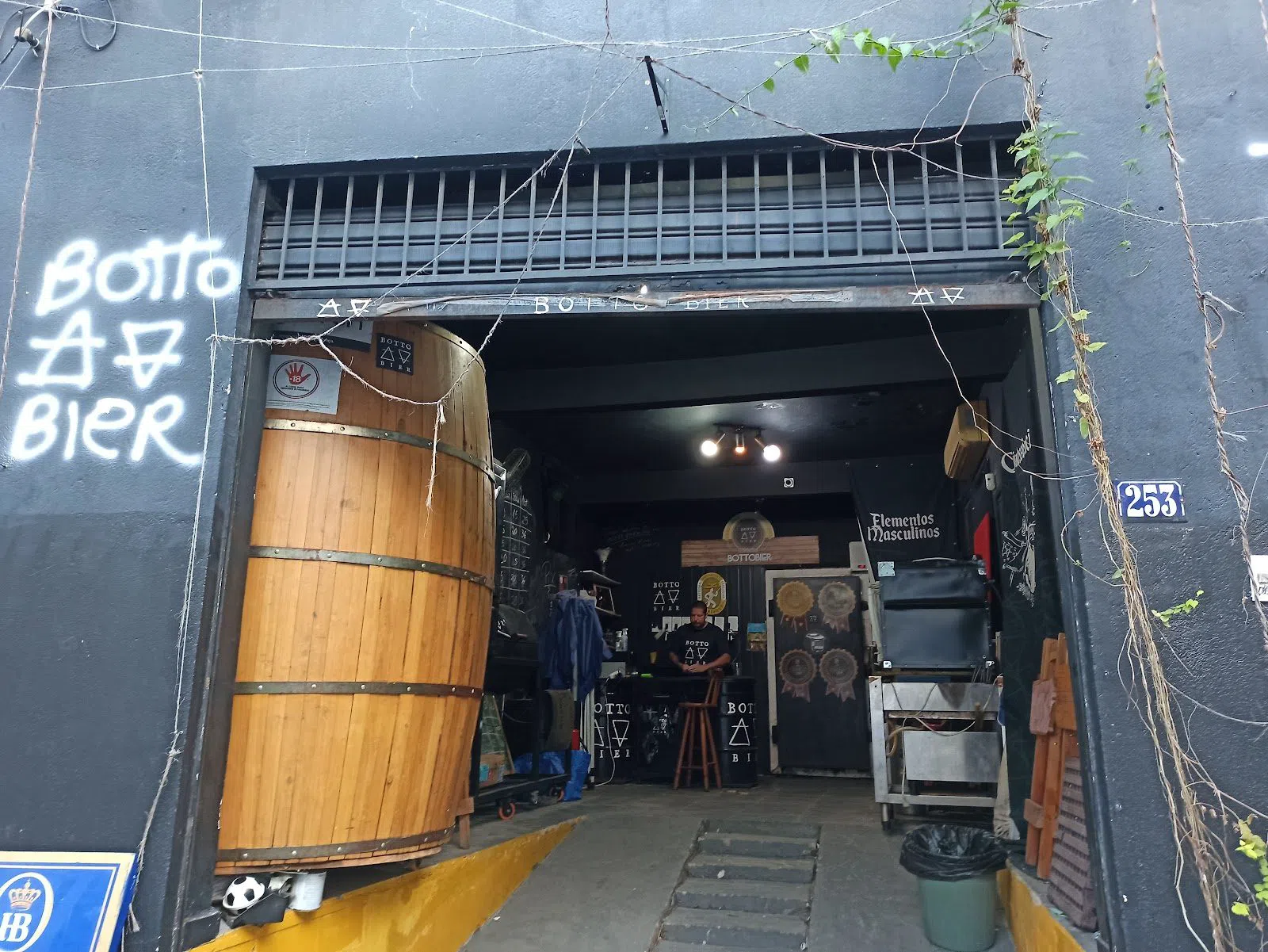
The most convenient is Botto Bar in Praça da Bandeira, a compact but genuinely group-friendly room of standing space and tables with twenty rotating taps of Belgian, German and English styles. It is walk-in, it is walkable to the stadium, and taps run from around R$10 to R$40 depending on what is pouring. Think of it as the craft alternative to a traditional chopp boteco, close enough that you lose nothing on the walk in.
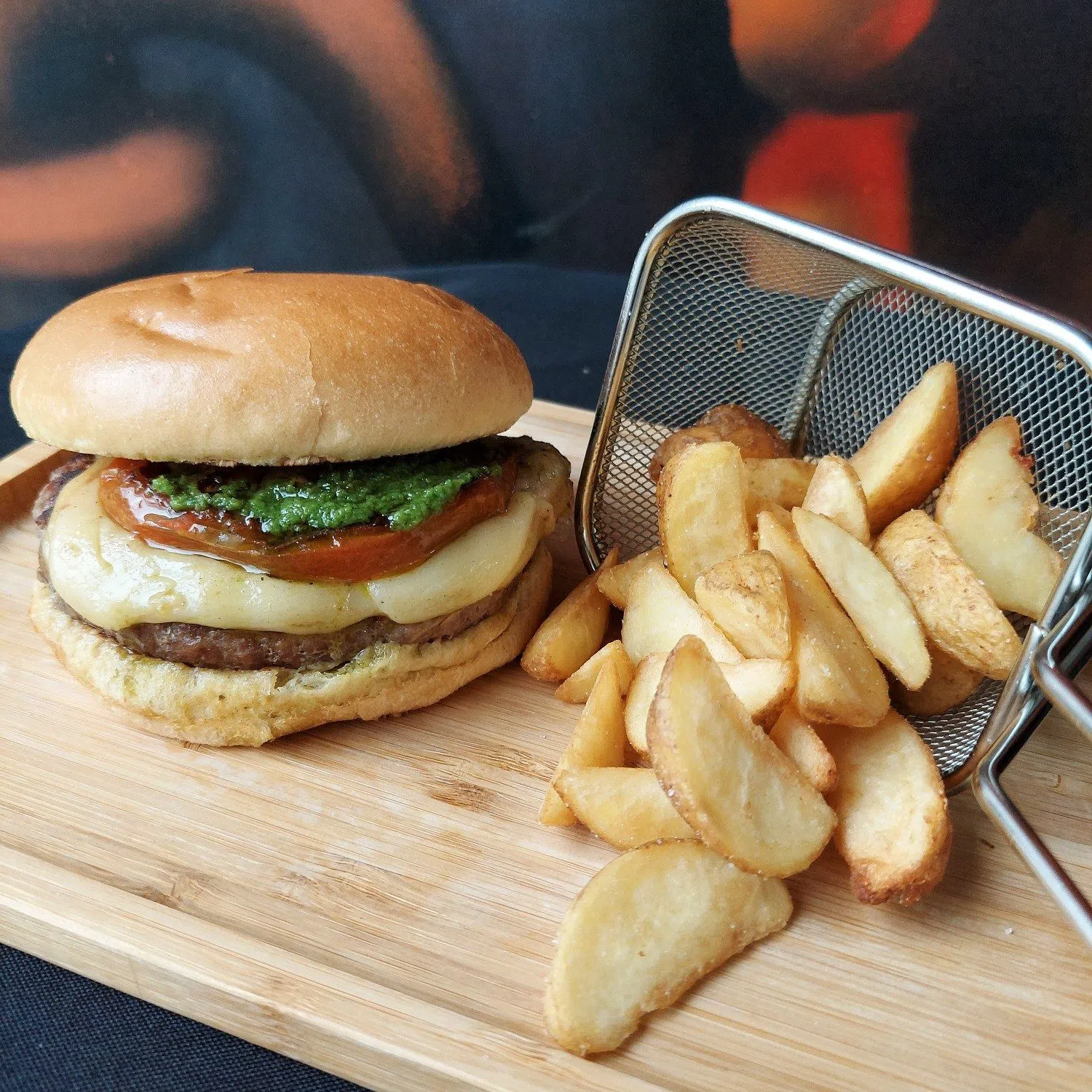
Further out, about a mile from the ground, Cerveja Social Clube rewards the more committed. It is very small — fine for a few mates, hopeless for a big group — and it closes on Sundays and Mondays, so check your fixture day before you build a plan around it. The Brazilian craft selection is the draw, and the house order is the 'Overkill' burger served on spent-grain bread. Treat this as a considered detour for people who care about beer, not a convenient pre-match staging post.
When the group wants noise, not football chat
Not every pre-match crowd wants a boteco and a football phone-in on the wall-mounted television. If yours wants volume and late hours, Calabouço Heavy & Rock Bar in Vila Isabel is the pick — a rowdy, group-tolerant rock bar roughly 800 metres from the Maracanã metro, with live gigs on many nights, cheap beer and burgers, and no interest in closing early. It is a walk-in, and it tolerates a loud stag-sized party far better than most. Come here if the day is really about the group and the football is the excuse, and stay on afterwards when the botecos have emptied.
Getting inside: four ways through the gate
There are two questions to answer here — whether you want a host, and how much you want to spend — and four sensible answers.
First, a clarification that saves disappointment: Tour do Maracanã, the official stadium tour, is not a way into a match. It is the thing you do on the day you are not at a game. Guided tours leave every 30 minutes, take walk-ups and pre-booked parties alike, and comfortably handle school- or stag-sized groups on a 50-minute walk of the pitch-side, the dressing rooms and the museum. It costs around £15–18 per person (R$94 full, R$47 concession). Crucially, on match days the last tour ends roughly six hours before the gates open, so you cannot tour and then stay for the game — pencil it in for a non-matchday afternoon instead.
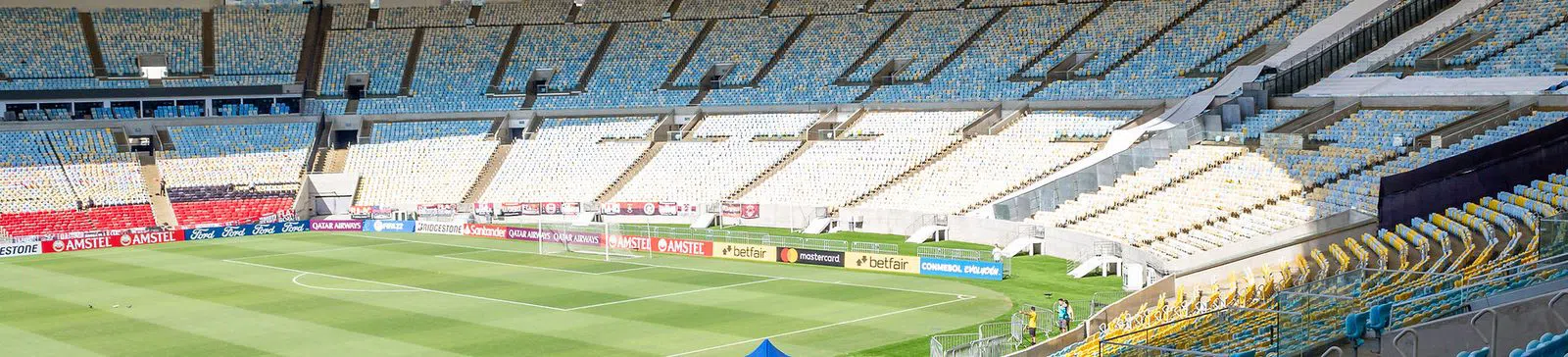
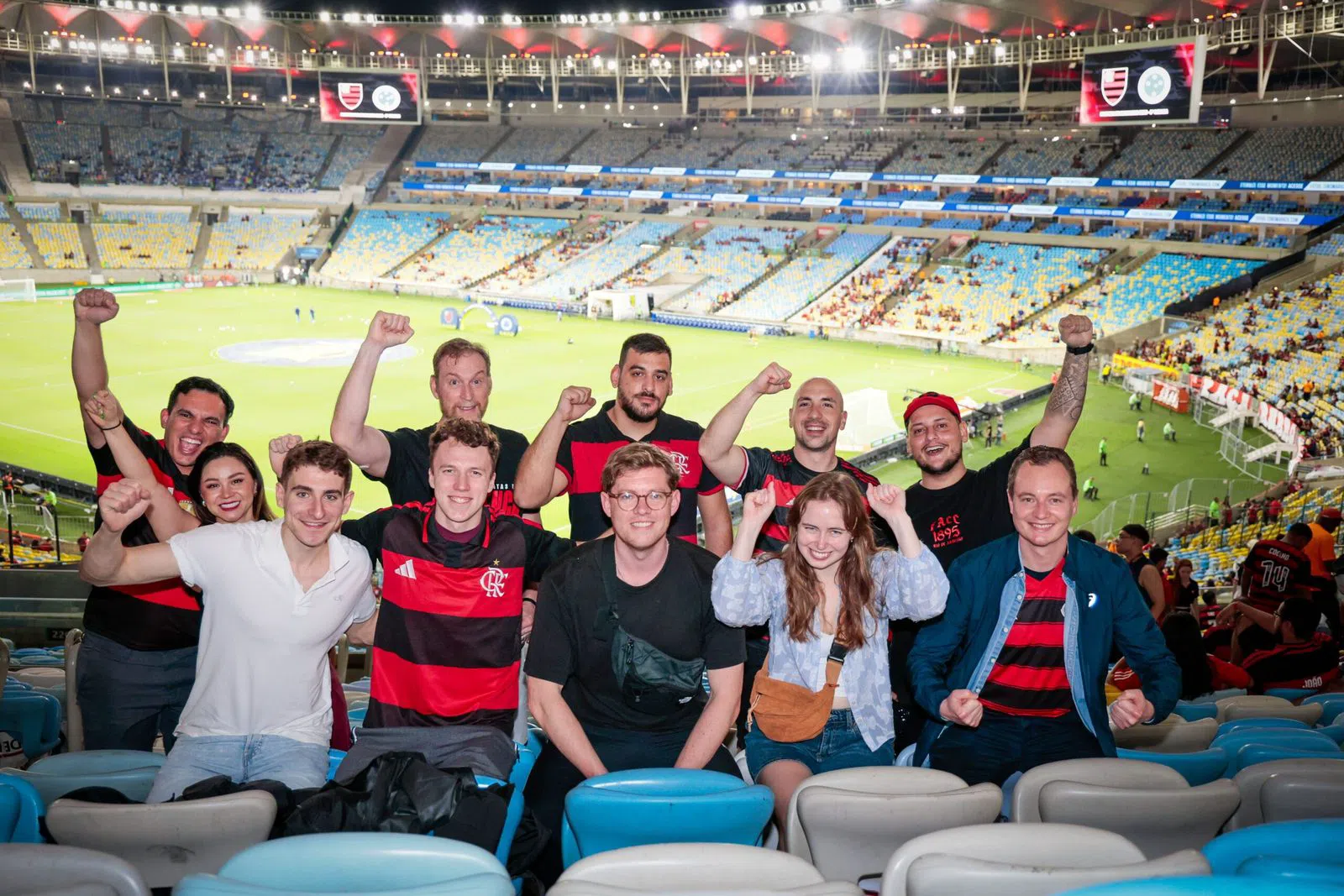
For the match itself, the best-rated hosted option is the Homefans – Flamengo Matchday Experience. It is built for small groups: a local host meets you at a fan bar, the whole party leaves together about 90 minutes before kickoff, and you sit behind the goal in the thick of the singing. At £55–90 per person including the ticket, host and a welcome drink, it is the natural choice for first-timers and for lads' trips who want someone to handle the logistics — including that facial-recognition registration, which the host manages for every guest.
A distinct operator with a different emphasis is GetYourGuide – Stadium Like a Local (Boteco & Match), a four-hour experience that front-loads the ritual: a pre-game boteco session with beer and snacks, then a walk to the ground with the guide translating the chants and the etiquette as you go. It runs £50–80 per person including the ticket. It leans harder into fan culture than Homefans does, but it covers the same ground — so pick one, not both.
When the group prizes comfort over the terrace crush, the splurge is Rio by Cariocas – Maracanã Mais VIP Hospitality. This is door-to-door treatment: private transfers, a bilingual guide, an all-you-can-eat buffet, seats among the closest to the bench, and a 20-plus Camarote box-suite option for larger parties. It runs £120–180 per person in the hospitality zone. It is the right call when the group wants to arrive rested, eat well and skip the queues — and the wrong call if the point of the trip was to stand in the noise with the ordinary crowd.
After the final whistle: samba next door
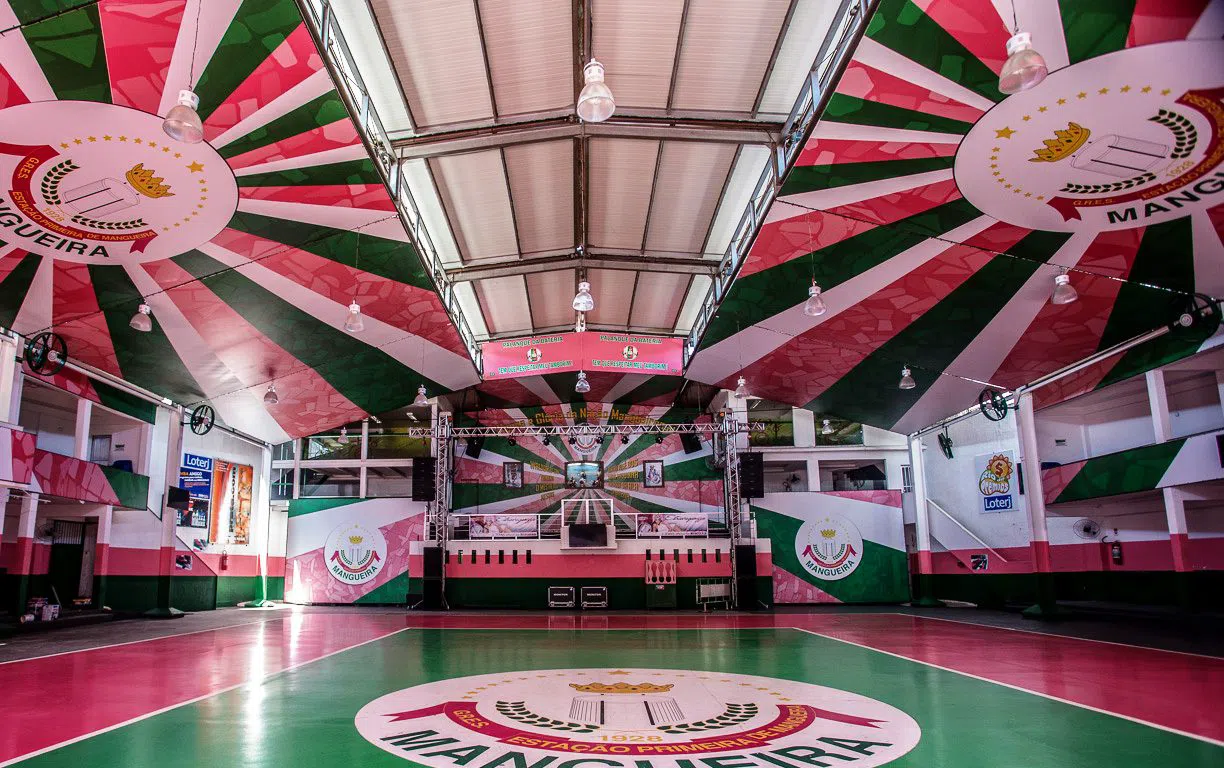
The finest piece of scheduling in Rio football is that the Estação Primeira de Mangueira samba school quadra stands almost literally next to the Maracanã. Its Saturday-night rehearsals run roughly from August to February, in a big hall built for crowds and tourists with proper security and an entry fee of around R$30–60. Land a Saturday fixture on a rehearsal night and you have the ultimate Rio double-header — the match, then the drums, without leaving the neighbourhood. The one caveat is that the nights are seasonal and the calendar shifts, so check the rehearsal schedule before you build your evening around it rather than assuming it will be open.
The practical part: transport, cash, timing and budget
Transport. The Maracanã has its own metro station on the network, delivering you within sight of the gates, which makes the botecos of Praça da Bandeira, Tijuca and Vila Isabel all an easy hop away. The catch is the return: the platforms are rammed after the final whistle and you should expect a slow, shuffling queue. A calmer move is to walk fifteen minutes towards Praça da Bandeira and pick up the metro or a taxi from there once the immediate crush has thinned.
Cash. Cards are widely accepted, but the older botecos are happiest with reais, and having small notes for a R$8–12 chopp or a R$30–60 samba-school entry keeps things moving. Carry enough cash for the afternoon and keep it low-profile in the crowds.
Timing. Give yourself two to three hours before kickoff for the ritual to breathe — a boteco session, a walk to the ground, and the security funnel at the turnstiles. Remember that the stadium tour cannot be combined with a same-day match, and that any independent ticket must be registered for facial-recognition entry well in advance.
Budget. A boteco-led afternoon — chopp, snacks, a feijoada — comes in under £20 a head. A hosted matchday experience runs £50–90 including your ticket; the VIP hospitality route is £120–180. Add a few pounds for the metro and the samba school, and a full game day sits comfortably within a single, memorable outing.
For where to stay within striking distance of all this, start with a Rio De Janeiro hotel search around Tijuca and the stadium districts, and for the wider city beyond the football, our full Rio De Janeiro guide covers the neighbourhoods, the beaches and the rest of the year's rituals.
Before you go
How do I get tickets to a Maracanã match as a visitor?
You can buy independently for a Flamengo or Fluminense fixture, but since 2025 every ticket must be registered for facial-recognition entry in advance. The simplest route for first-timers is a hosted experience like the Homefans Flamengo Matchday or GetYourGuide's Stadium Like a Local, both of which include your ticket and handle the registration for you.
What is the facial-recognition entry and do I really need to register?
Yes. Since 2025 the Maracanã admits spectators via facial recognition, and every single guest must register their face and ticket beforehand — there is no walking in on the day. Hosted operators register your whole group for you; if you buy independently you must complete it yourself before match day.
Can I visit the Maracanã when there is no game on?
The official Tour do Maracanã runs guided walks every 30 minutes for around £15–18 per person, covering the pitch-side, dressing rooms and museum, and it happily handles large groups. Note that on match days the last tour ends roughly six hours before the gates open, so book your tour for a day you are not attending a game.
Where should I drink before a Maracanã match?
For a classic boteco warm-up, Bar do Bode Cheiroso in Maracanã is walkable and heritage-listed, while Bar do Momo in Tijuca is a metro hop away with Friday feijoada. For a proper sit-down feed choose Aconchego Carioca in Praça da Bandeira, and for craft beer try Botto Bar nearby.
How do I get to the Maracanã and back on match day?
The stadium has its own metro station within sight of the gates, so the botecos of Tijuca, Vila Isabel and Praça da Bandeira are all a short hop away. The platforms are rammed after the final whistle — walking towards Praça da Bandeira before catching the metro or a taxi is a calmer way home. Carry cash in reais for the botecos.